Facebook
 Google
 GitHub
 Linkedin
Can AI Keep Nuclear Plants Safe?
Can artificial intelligence and machine learning prevent Chernobyl-like nuclear disasters?
Artificial intelligence use in energy applications continues to expand. AI is used to rapidly test new materials that can dramatically improve solar cell performance. Machine learning can improve wind turbine efficiency, and the power grid can use AI to rapidly reroute power to prevent outages.
The nuclear power sector is also forging a path toward an AI future where machine learning can improve power plant operations. The Idaho National Laboratory (INL) held an expo to showcase the work of researchers striving to transform the nuclear industry. Their projects can potentially reduce human error, thus improving safety, dramatically increasing data processing speed, and moving old nuclear infrastructure into the machine-learning era.

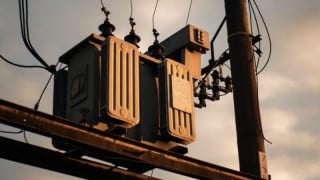
AI could soon transform nuclear reactors. Image used courtesy of Pixabay
The Problem of Massive Data Sets at Nuclear Power Plants
Nuclear power plants generate volumes of complex data, presenting significant challenges for plant operators. Every day, various systems, sensors, and reports produce vast amounts of information, which humans must meticulously review to ensure the plant's safe operation. This manual review process is time-consuming and prone to human error (HE), which can lead to catastrophic consequences in a high-risk environment like a nuclear power plant.
One major issue is the potential for oversight or delayed response. For example, if a plant operator overlooks critical information in a condition report, it could lead to equipment failure or unsafe operating conditions. The 1979 Three Mile Island incident is a notorious example where a combination of mechanical failures, HE, and inadequate training led to a partial meltdown. Operators misinterpreted readings and failed to respond appropriately, exacerbating the situation.
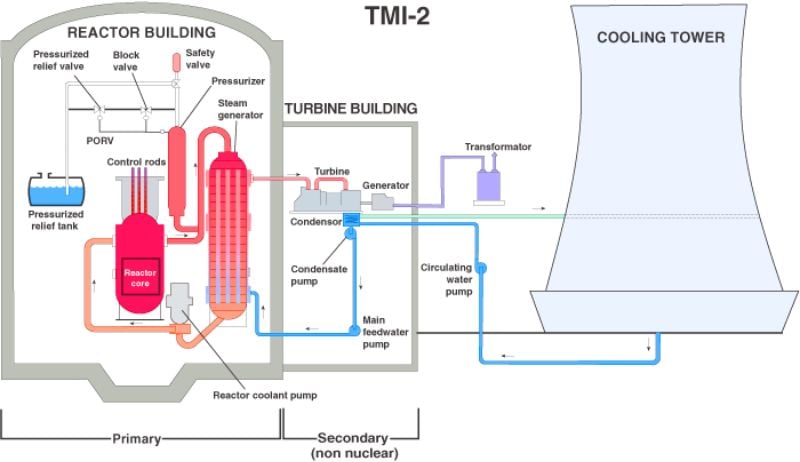
Plant diagram of Three Mile Island. Image used courtesy of Nuclear Regulatory Commission
The equally infamous Chernobyl disaster in 1986 also highlights the danger of HE. The reactor operators conducted an ill-advised safety test without fully understanding the reactor's design, leading to an explosion and widespread radioactive contamination.
These singular examples are corroborated by compelling data showing how the HE pattern impacts nuclear plant operations. The INL studied the relationship between HE and operational errors in nuclear power plants and found that HE is to blame most of the time when plants face system failures and accidents. HE either directly or indirectly caused 70% of all plant operational errors.
These incidents underscore the need for more reliable and efficient data analysis methods to minimize human error and enhance nuclear power plant safety.
How Can AI Monitor Data and Use Live Video for Error Detection?
INL researchers plan to use AI to mitigate data challenges at nuclear plants and introduce new video monitoring systems.
Data scientist Brian Wilcken is developing a machine learning program to automate data analysis and provide streamlined, real-time reporting on plant operations. Typical safety oversight at nuclear plants requires human observation and reporting, but the data portal Wilcken showcased obviates the need for constant human intervention. This machine learning program can read, interpret, and organize reports, helping to identify urgent issues like spills. It can generate trends in reported events. This automation saves time and enhances decision-making by providing insights into plant operations.
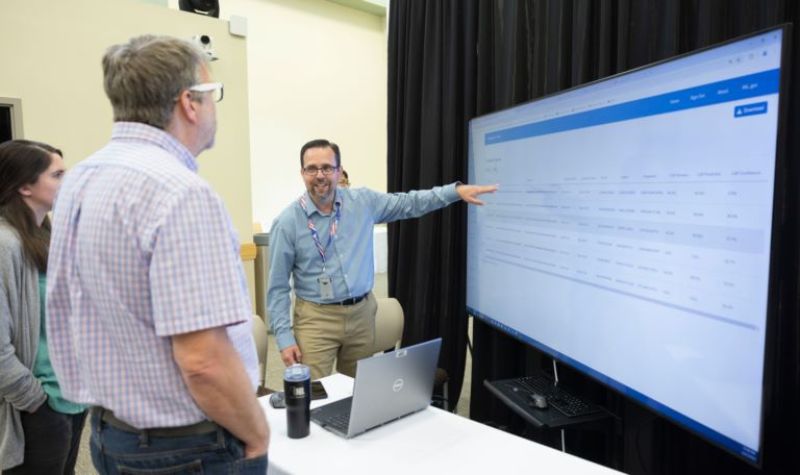
Brian Wilcken presents data on using AI in power plants. Image used courtesy of INL
Other presentations explored using AI to monitor large data sets and video-based monitoring systems to catch human oversight as it occurs. The Image Anomaly Detection deploys machine learning to monitor video streams and identify anomalous changes within a camera frame. This system, presented by INL intern Tianjie Zhang, operates in real time to provide immediate notifications addressing potential safety concerns. For example, if a nuclear plant operator were to forget to turn a valve off, the AI-driven detection system can “see” this mistake and automatically alert plant operators, who can rectify the problem.
In addition to these monitoring capacities, INL researchers are pioneering how decades-old infrastructure can be digitized. With AI and video feeds, even old gauges can be read, processed, and put into a data stream without human intervention.
AI is reshaping the energy landscape as we know it. Despite a few nuclear disasters impacting public perception, nuclear power is much safer and more reliable than many realize. The INL’s new AI tools will help bring nuclear power into the future with maximum efficiency.