Facebook
 Google
 GitHub
 Linkedin
Canadian Grid Gets Smart Upgrade With AI
The University of Toronto and Siemens Canada will join forces to modernize the grid for renewable energy integration.
As Canada moves toward its net-zero goal in 2050, the University of Toronto and Siemens Canada are working to enhance the grid with artificial intelligence and smart grid security. The academic-private sector collaboration will streamline the integration of renewable energy sources.
Integrating existing grid infrastructure with smart tech is no small feat, and once such integrations have been executed, a new security problem presents itself. A smart grid without updated security is more vulnerable than a traditional grid. Siemens and U of T will leverage advanced AI to optimize the country’s smart grid, ensuring energy is directed efficiently to reduce the risk of outages. The partnership supports Canada’s transition to intelligent and resilient energy infrastructure.
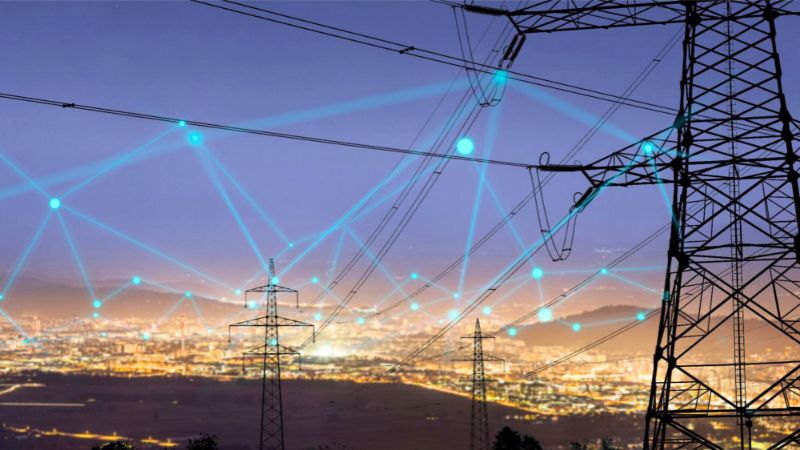
Image used courtesy of Adobe Stock
Aging Infrastructure and AI Connectivity Barriers
Integrating AI into Canada's power grid faces hurdles due to digital connectivity and legacy infrastructure issues. Much of the existing grid relies on outdated systems, including analog components, which cannot communicate effectively with digital and AI-driven technologies. The last major investment in Canadian infrastructure came in the 1970s and 1980s, so newer innovations are either incompatible or can strain these legacy grid components.
For example, substations often use copper-driven lines for single-use analog connections, making it difficult to gather and process the real-time data required for AI applications. Upgrading these systems to digital platforms with fiber or wireless connectivity is complex and costly. These copper cables often have to be completely replaced by fiber-optic cables to make digitalization of the substation possible.
Another major obstacle is interoperability between digital technologies and older equipment. Ensuring seamless communication across grid components requires standardizing protocols and interfaces, which are still evolving. Without this standardization, utilities struggle to integrate AI capabilities into predictive maintenance, demand forecasting, and energy optimization. Large utilities like PG&E are still cautious about incorporating AI tools because of concerns about the impact on the utility ecosystem.
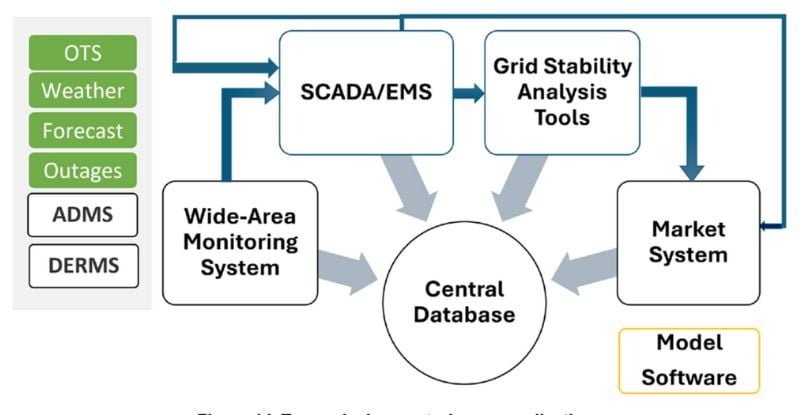
AI can enhance grid operations. Image used courtesy of National Renewable Energy Laboratory
Another complicating factor is the rapid decentralization of modern grids due to renewable energy growth. AI needs accurate, real-time data flows to handle the variability of distributed generation and two-way power flows. This requires advanced sensors, IoT devices, and reliable communication networks, such as 5G, which are not yet universally deployed across Canada’s grid.
Smart Grids Can Increase Security Risk
Compatibility of AI with existing grid infrastructure is only one challenge Canada must face. Increasingly, complex security vulnerabilities will inevitably accompany grid modernization.
Ensuring grid security against cyberattacks is a pressing concern. Advanced utility systems may be easier to undermine. As AI-driven systems increase automation, they also create more entry points for malicious actors to disrupt energy supplies. Addressing these vulnerabilities requires robust encryption and collaboration across industries.
Academia and Industry Team Up for Compatibility and Security
The aforementioned partnership between U of T and Siemens will maximize the resources of these complementary institutional partners to mitigate these compatibility and security issues as efficiently as possible and prepare the grid for the coming wave of renewables.
U of T researchers have already been building the foundation for grid security. One team is developing quantum-based solutions to improve the security of power utilities by helping them fend off future cyberattacks. Supported by a $1.45 million NSERC Alliance-Mitacs Accelerate grant, this project combines quantum computing, cybersecurity, and critical infrastructure to address vulnerabilities in smart grids.
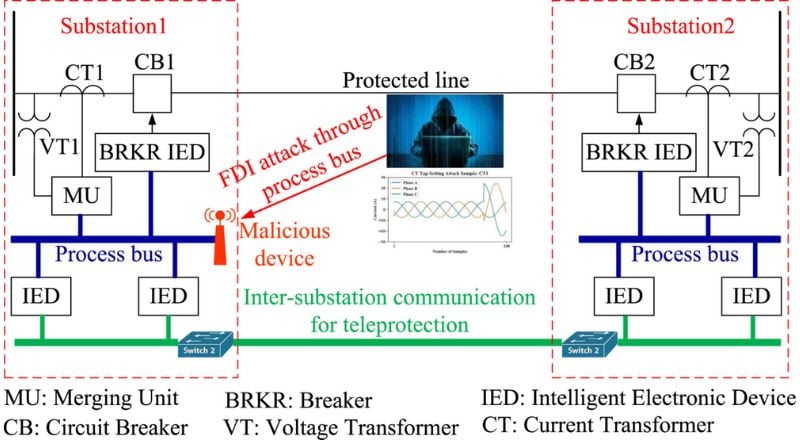
Diagram of power system security and monitoring. Image used courtesy of Science Direct
These grids rely on data-driven, interconnected information-communication technologies (ICT) to adapt to changing power needs. While ICT enhances grid efficiency, it also introduces new risks, such as increased attack points. Power systems need new methods for ensuring security, and combining research expertise with private sector focus on practical impact will help create the most innovative solutions for modernizing the grid.
This partnership is the next step in grid modernization, ensuring that research expertise can be used to implement practical solutions that improve grid functionality.