Facebook
 Google
 GitHub
 Linkedin
Vehicle-to-Load Tech Offers Flexibility, Backup, Grid Resilience
Vehicle-to-load technology—bidirectional electric vehicle charging—can help grid resilience and provide emergency and off-grid power, but advancements are needed for widespread adoption.
Vehicle-to-load technology is redefining electric vehicles’ capabilities. Beyond transportation, V2L-equipped EVs function as mobile power stations, supplying electricity to devices, appliances, and even homes. This feature has proven invaluable in natural disasters and other emergencies.
The most immediate and critical use of V2L is as an emergency power supply during blackouts. Unlike stationary home battery systems, V2L-enabled EVs are mobile, allowing people to deploy them wherever they need power.
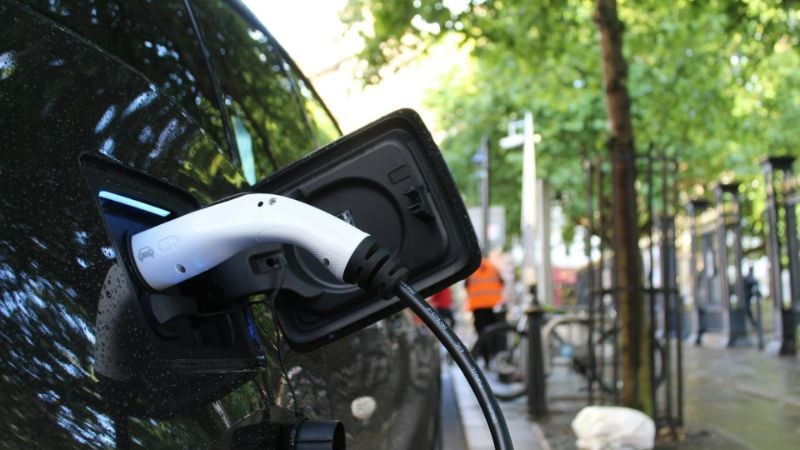
Charging an EV. Image used courtesy of Unsplash
Emergency Backup Power
Many EVs with V2L functionality offer a standard 2.3k W to 3.6k W AC output, sufficient for powering homes. During Tropical Cyclone Alfred, Australian EV owners used V2L to power their homes, sterilize baby bottles, charge their phones, and even keep essential medical equipment running. However, this tech’s applications extend far beyond disaster relief. This technology presents opportunities for energy resilience, grid stability, and portable power solutions. Advanced EVs with battery capacities of 60 kW or more can provide several days’ worth of backup power for a typical household.
One significant advantage of V2L over traditional backup generators is the absence of noise and emissions. Diesel and gas-powered generators require a constant fuel supply, which can be difficult to obtain during natural disasters. In contrast, an EV can store and supply energy without the need for refueling, offering a cleaner and more reliable alternative.
Powering Remote and Off-Grid Operations
Beyond emergency use, V2L is particularly valuable for off-grid applications. Construction crews working in remote areas can use EV power tools, lighting systems, and communication devices. Similarly, research teams conducting fieldwork in regions with limited infrastructure can run diagnostic equipment, sensors, and computing systems using V2L.
V2L-powered solutions offer significant advantages compared to traditional portable generators.
- Lower operating costs: Traditional generators rely on fossil fuels, which can be expensive and logistically challenging to transport. However, people can charge V2L-enabled EVs using renewable energy sources, reducing dependency on fuel supply chains.
- Reduced noise and emissions: Gasoline and diesel generators produce noise pollution and exhaust fumes, which can disrupt sensitive environments such as national parks or wildlife reserves. V2L provides a silent, zero-emissions alternative.
- Scalability: Depending on battery capacity, multiple EVs can provide distributed power across larger sites, making this technology adaptable to various operational needs.
Enhancing Camping and Outdoor Recreation
For outdoor enthusiasts, V2L turns an EV into a self-sustaining power source. Campers can use it to power induction cooktops, electric grills, and refrigeration units, making off-grid living more comfortable.
Some EV owners have shared information on social media about how they used V2L to run household appliances and even recharge stranded EV drivers’ cars. This capacity is particularly useful in areas with limited charging infrastructure.
Here are the potential applications for campers and outdoor adventurers.
- Charging multiple devices: V2L can power smartphones, laptops, GPS devices, and radios, ensuring reliable communication in remote areas.
- Powering cooking equipment: Unlike traditional camping stoves that require propane or other fuel sources, V2L can support electric cooking solutions, reducing the need to carry extra fuel.
- Running climate control systems: In extreme weather conditions, V2L can provide power for electric heaters or portable air conditioning units.
Grid Resilience and Decentralized Energy Solutions
Though V2L is primarily for individual power needs, its broader potential as a decentralized energy resource is gaining interest. As part of a vehicle-to-grid ecosystem, V2L-enabled EVs could provide temporary power to critical infrastructure, businesses, and homes during periods of high energy demand.
In areas affected by natural disasters, EVs with V2L could become mobile power hubs to support emergency shelters, hospitals, and relief operations. Some initiatives, like MyCar’s “The Chargers” program, are already exploring how EVs can assist in disaster recovery efforts.
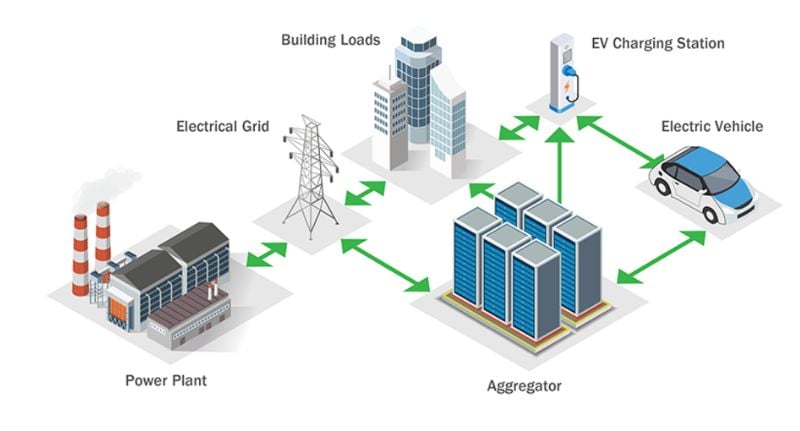
Vehicle-to-grid power flow. Image used courtesy of Department of Energy
V2L technology can also reduce strain on the grid during peak hours. EVs could balance supply and demand by returning stored energy to the grid, making energy distribution more efficient. V2L can integrate with microgrids to improve energy reliability in remote or disaster-prone areas, ensuring continuous power in locations where traditional grid infrastructure may be vulnerable.
As renewable energy like solar and wind increase in popularity, V2L-equipped EVs could store excess energy during off-peak times and discharge it when needed, reducing waste and improving energy efficiency.
Practical Considerations and Limitations
While V2L offers numerous advantages, it’s not without challenges. Engineers, energy specialists, and consumers must consider these limitations to use this technology efficiently.
Power Output Limits
Most V2L systems currently provide an AC output of around 2.2 kW, which is sufficient for running household appliances but may not be powerful enough for industrial equipment or high-energy-demand applications. As the technology evolves, future models may include bidirectional DC output or higher wattage capabilities, allowing for more efficient energy use and broader applications.
Managing Energy Consumption
Battery depletion is a primary concern. Using an EV to power external devices or homes for extended periods can significantly reduce driving range. To prevent excessive battery drain, smart energy management systems will be necessary to prioritize power usage and ensure EV owners don’t lack sufficient charge for transport.
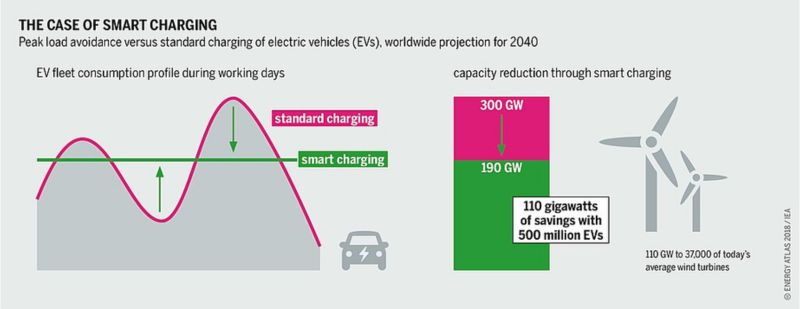
Smart EV charging. Image used courtesy of Wikimedia Commons
Standardization and Compatibility
Another challenge is the lack of universal standardization across V2L-compatible EVs. Different manufacturers use varying plug configurations and output capacities, which can make interoperability difficult. Standardizing V2L interfaces and ensuring compatibility across a broad range of EVs will be essential for widespread adoption.
Limited Vehicle Support
Not all EVs currently support V2L. For example, popular models such as the Tesla Model 3 and Model Y lack this functionality. Until more automakers integrate V2L into their vehicles, its application as a large-scale energy solution will remain somewhat restricted. Expanding this feature across more models is crucial for unlocking the full potential of V2L in everyday applications.
The Future of V2L
Whether keeping the lights on after a natural disaster, powering field operations, or making off-grid adventures more convenient, EVs equipped with this technology are far more than a mode of transport—they’re mobile energy solutions ready to meet various challenges.