Facebook
 Google
 GitHub
 Linkedin
3 Ways the Grid Will Get Smarter in 2025
From advanced meters to AI-enabled sensors, here’s how smart grid technology will transform the energy sector in 2025.
Smart meters, sensors, artificial intelligence, and other advanced grid technologies are transforming power systems worldwide as utilities adopt predictive maintenance, real-time monitoring, and demand response solutions.
Grid modernization was a key pillar of 2024. Utilities intend to continue deploying advanced hardware and software for generation and transmission infrastructure this year. By improving the capacity and performance of existing assets, utilities can avoid the high costs of expanding power lines and more seamlessly integrate millions of newly connected electric vehicle chargers and distributed energy resources (DERs).
Energy systems must also adapt to the intermittency of solar and wind resources. According to the International Energy Agency, renewables and nuclear power will dominate global electricity supply growth by 2025, meeting more than 90% of estimated demand. However, this transition presents challenges for grids that traditionally rely on dispatching conventional power sources like coal and natural gas. As more fossil fuel plants retire, grids scramble to manage volatile supply and demand.
Advanced grid technologies are helping to address some of these challenges.
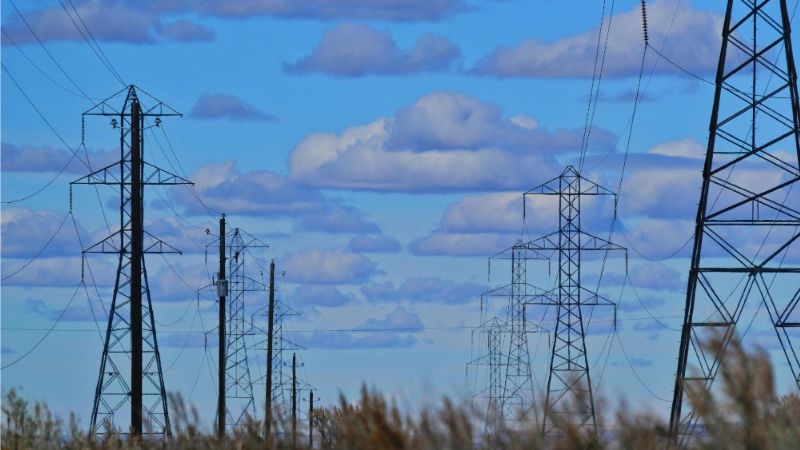
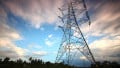
Power lines. Image used courtesy of Pexels/Brett Sayles
1. Continued Smart Meter Expansion
The nation’s largest investor-owned utilities are increasingly adopting smart meters, providing real-time energy consumption data to support resource planning, load management, and renewable integration.
Many utilities have already implemented large-scale metering projects, while others are in various stages of deployment. According to a recent analysis by Berg Insight, North American smart meter penetration currently stands at 80%. Installations will grow 3.8% annually by 2029, surpassing 182 million units to reach 94% adoption in the U.S.
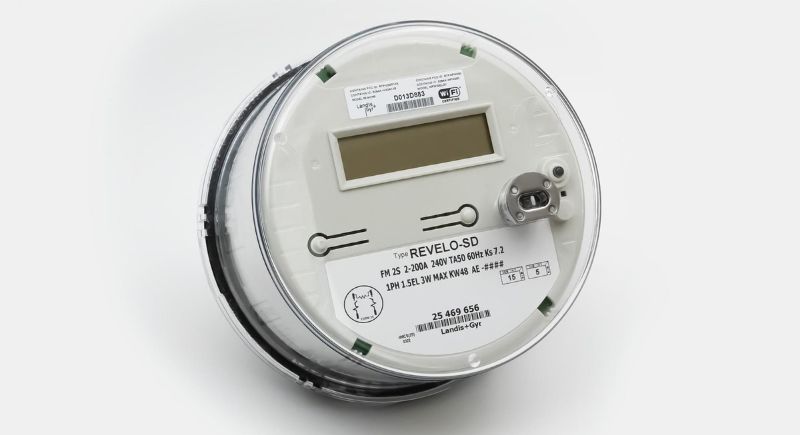
Smart meters monitor energy consumption. Image used courtesy of National Grid
Several large utilities initiated this process over a decade ago, replacing manual meter readings with automated devices providing real-time consumption data. Dominion Energy has installed over 2 million smart meters across Virginia and North Carolina since 2009. California companies were also early adopters. In the early 2000s, the California Public Utility Commission authorized Southern California Edison, San Diego Gas and Electric, and Pacific Gas and Electric (PG&E) to install tens of millions of smart meters across their service territories.
Meanwhile, in the northeastern U.S., National Grid has deployed about 2.4 million smart meters and gas modules over several years. It recently added another 450,000 meters in central and eastern New York and plans to expand that network to the western side of the state in January 2025.
According to Berg Insight, utilities that have adopted advanced metering are exploring additional uses for their radio frequency networks, such as two-way communications for DERs and EV charging. Vehicle-to-grid charging systems, for example, can join demand-response programs to help balance the energy supply during emergencies or peak demand.
2. Grid-Enhancing Technologies
Utilities are also deploying grid-enhancing technologies (GETs) like dynamic line ratings and flexible AC transmission systems to enhance the performance and adaptability of their existing transmission networks. They’re also reconductoring aging transmission lines with advanced conductors featuring a composite core to carry more power with fewer losses.
Dynamic line ratings (DLR) deliver real-time capacity assessments for electrical transmission lines, a clear distinction from conventional static ratings based on worst-case conditions. DLR calculates the maximum current a line can carry by considering temperature, wind speed, line tension, and other dynamic data points. This allows operators to optimize the use of existing infrastructure, reducing the need for costly transmission expansions.
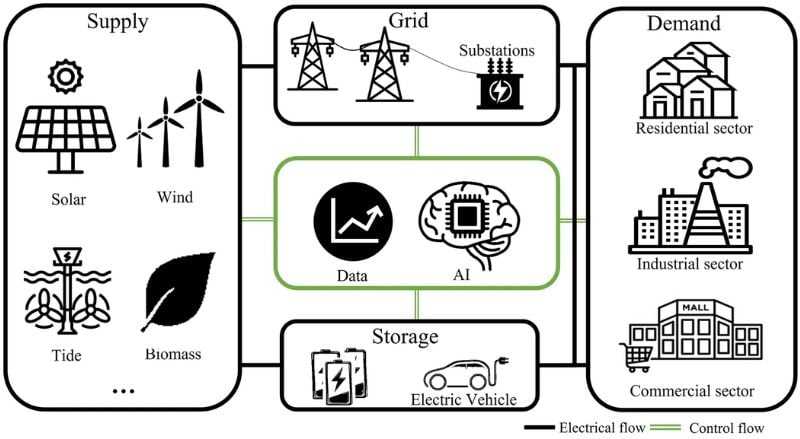
Smart grid features. Image used courtesy of Wang et al.
The federal government is funding some of these developments. Through the Bipartisan Infrastructure Law, the Department of Energy (DOE) has spent $10.5 billion on grid modernization grants. Here are some of the latest GET projects.
- Loop transmission upgrades: In Indiana and Illinois, two cooperatives will build transmission feeds that loop to 10 substations that have reported recent outages from tornados and other extreme weather events. Looped transmission connects substations to two or more lines to provide backup power when one is damaged.
- Advanced conductors: The California Energy Commission received a $600 million DOE grant to deploy its CHARGE 2T project, updating more than 100 miles of transmission infrastructure with advanced conductors and DLR to increase system capacity. This will support over 1 GW of additional renewable energy connections, accelerating deployment in the California Independent System Operator’s interconnection queue.
- Reducing transmission congestion: Dominion Energy Virginia will use its $33 million DOE grant to manage transmission capacity constraints across the PJM Interconnection service area, which has experienced a 200-500% load increase on some circuits in less than three years. In addition to easing transmission congestion, the DOE estimates that dynamic performance monitoring will avoid 500 outages annually.
3. AI: Predictive Maintenance, Wildfire Prevention, and More Benefits
The growing integration of DERs and smart meters gives utilities a window into users’ energy consumption trends, unlocking insights to optimize resource planning and energy generation. AI software builds on these benefits with automated data collection and analysis.
Utilities are increasingly implementing AI-based predictive maintenance and anomaly detection. Smart sensors can identify and predict faults, assess storm damage, monitor vegetation growth, and respond to sudden voltage fluctuations.
California’s PG&E uses AI tools for planning, inspections, monitoring, and maintenance, significantly improving its wildfire risk management. With high-fire threat districts representing over 50% of its service area and one-third of its assets, the utility deployed over 600 high-definition AI cameras to expand its situational awareness in vulnerable locations. The AI system detects ignitions and filters out false positives like dust or fog. The company plans to complete the network in 2025.
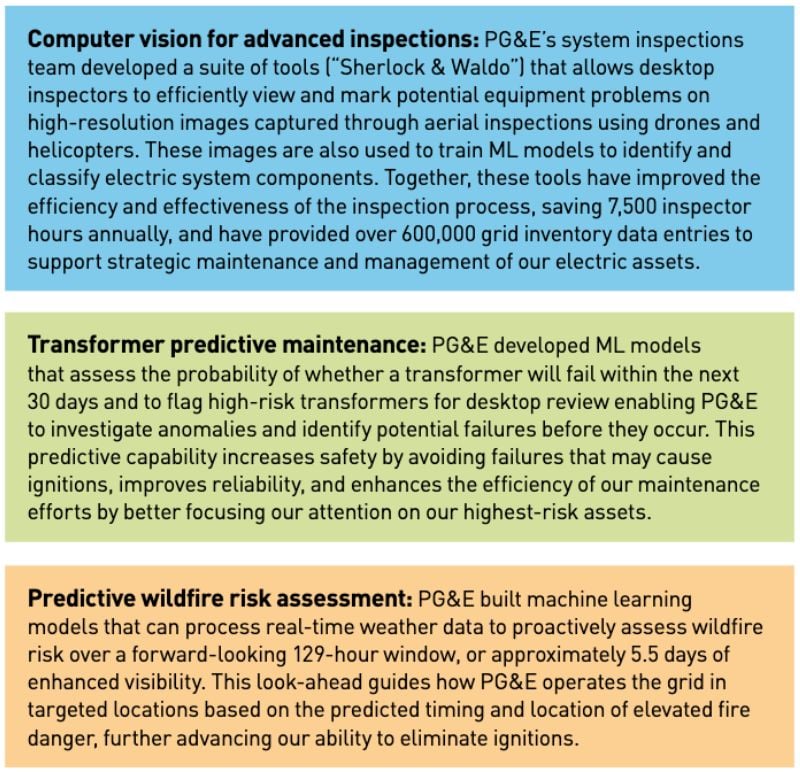
Three examples of how PG&E is using AI to modernize its grid operations. Image used courtesy of PG&E
Duke Energy is also automating its grid operations with self-healing technology that detects outages and restores power quickly, avoiding over 1.5 million outages across the utility’s six-state footprint in 2023. Automated restoration and self-healing systems serve nearly half of its customers today, more than double the count from two years ago.
With continued market demand from utilities, energy-focused AI startups face no shortage of interested partners. Notable players on EEPower’s radar this year include AiDash (backed by Duke Energy, National Grid, and Edison International), Neara (which has partnered with large utilities like Southern California Energy), and Gridware (with sensors monitoring over 1,000 miles of high-risk locations in PG&E’s service area).