Facebook
 Google
 GitHub
 Linkedin
Made in Denmark, Used in Germany: Green Hydrogen Crosses Borders
The HySynergy project brings early cross-border hydrogen from Denmark to Germany, years ahead of Europe's planned pipeline network.
One of Europe’s earliest industrial-scale hydrogen electrolyzer installations to operate continuously is now sending hydrogen beyond national borders. Everfuel’s 20 MW HySynergy plant in Fredericia, Denmark, has started producing renewable hydrogen at a scale that supports both Danish industrial facilities and Germany’s early hydrogen demand.
Watch a time-lapse of HySynergy’s construction. Video used courtesy of Hy24 Partners
For Denmark, the first truck shipment marks the country’s initial commercial export of domestically produced hydrogen into a neighboring energy system, arriving years ahead of the regional hydrogen pipelines expected later in the next decade. HySynergy has also expanded access to renewables at a crucial time as Germany’s energy projects remain constrained by long permitting timelines and volatility.
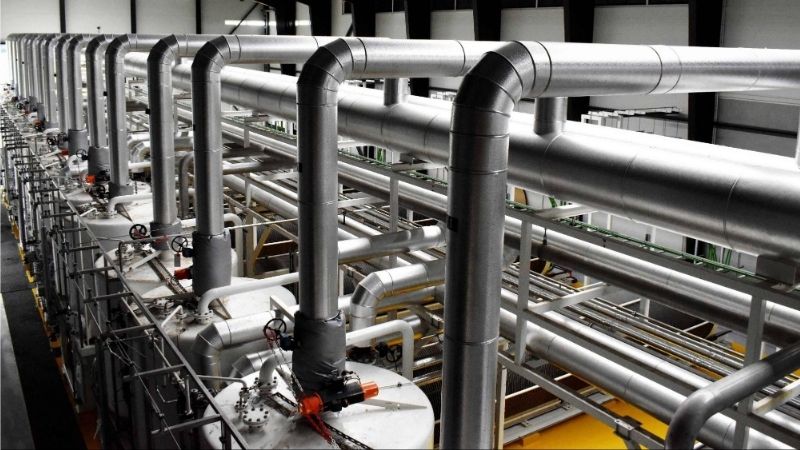
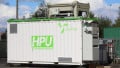
HySynergy's oxygen storage systems. Image used courtesy of Everfuel
HySynergy's Design
The hydrogen feedstock is already reducing the emissions profile of Crossbridge Energy’s liquid fuels operation. Crossbridge reports that the facility uses 35 tonnes of hydrogen daily, traditionally sourced from fossil-based production but now partially replaced with electrolytic green hydrogen, made from water and powered by renewable electricity.
HySynergy is a modular power-to-hydrogen platform integrated into the region’s renewables-heavy electricity mix. A proton exchange membrane electrolyzer splits deionized water into hydrogen and oxygen, and the system can adjust its output to match changing wind or solar supply.
Everfuel’s electrolyzer operates on renewable power and is structured to meet the European Union's Renewable Fuels of Non-Biological Origin compliance, using certified renewable electricity under Denmark’s implementation of EU rules.
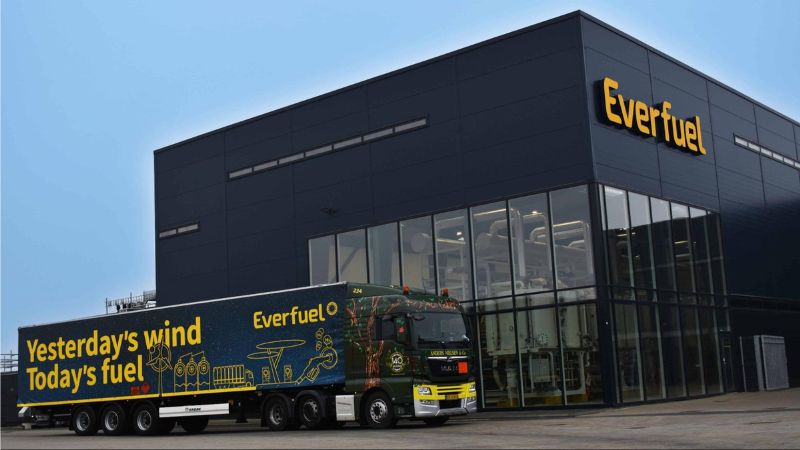
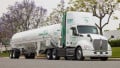
HySynergy's first export was sent by truck from Denmark to Germany in November. Image used courtesy of Everfuel
HySynergy includes a partnership with a transmission company, TVIS, which receives surplus heat from the refinery for the local district heating system.
HySynergy is just the latest industrial energy project in TVIS's service area. According to Everfuel, the largest heat sources under TVIS's contracts are from the Crossbridge refinery, Energnist's waste-to-heat facility, and biomass from Orsted's Skræbæk combined heat and power plant.
HySynergy’s ownership structure—Everfuel at 51% and Hy24 at 49%—pairs the developer's technical expertise with specialized hydrogen infrastructure funds investing in Europe's hydrogen expansion. Hy24 is a private equity investor with several portfolio companies offering hydrogen mobility solutions, like HysetCo and Hexagon Purus.
Timing With Europe's Hydrogen Expansion
Europe is planning a network of hydrogen corridors similar to natural gas infrastructure. Transmission system operators have envisioned a continent-wide network, the European Hydrogen Backbone, reaching up to 31,068 miles by 2040, largely reusing gas pipelines. The EU is targeting 40 GW of electrolyzer capacity by 2030 under its REPowerEU policy, but some estimates indicate it needs about 100 GW to meet its annual production and import targets.
Everfuel is planning additional gigawatt-scale expansions of the HySynergy platform over the next decade. The Fredericia installation can offer insight into electrolysis performance under fluctuating power markets, how hydrogen logistics can operate before pipelines are built, and how to integrate industrial operations and district energy systems.
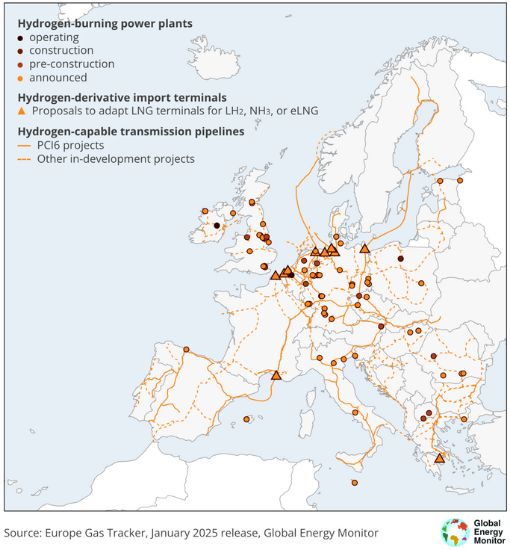
Map of hydrogen projects in Europe. Image used courtesy of Global Energy Monitor
Everfuel's planned Revsing facility, Project Frigg, aims to deliver up to 2 GW of electrolytic capacity for German industrial sites. It will feed into Energinet's upcoming pipeline, which is expected to begin operating around 2030. Project Sif, located in northwest Denmark, could add over 1 GW of capacity with direct access to a pipeline with Germany.
That line forms part of a larger Danish-German network designed to move hydrogen from high-wind regions in Jutland into German industrial clusters. Germany’s northern regions already face transmission congestion that limits additional wind integration, while solar cannot support continuous electrolyzer loads without extensive storage.
Germany expects substantial hydrogen imports from neighboring countries and global producers. Denmark, meanwhile, is positioning itself as a hydrogen exporter through planned pipeline connections to Germany and a growing set of coastal power-to-X projects.