Facebook
 Google
 GitHub
 Linkedin
Briefs: Projects Begin in Energy Storage, Batteries, and Nuclear Reactors
CATL, Antares Nuclear, Idaho National Laboratory, Pacific Northwest National Laboratory, and DARPA are planning projects in batteries, energy storage, and nuclear reactors.
Energy companies and laboratories are ramping up major projects in energy storage, batteries, and nuclear energy. CATL is committing half of its battery production to energy storage by 2030, while the Pacific Northwest National Laboratory has begun producing prismatic battery cells for grid-scale use.
DARPA is also focusing on batteries, launching an initiative to engineer high-density rechargeable batteries for military use. Finally, Antares Nuclear, working with the Department of Energy and the Idaho National Laboratory, has reached criticality with its new modular microreactor.
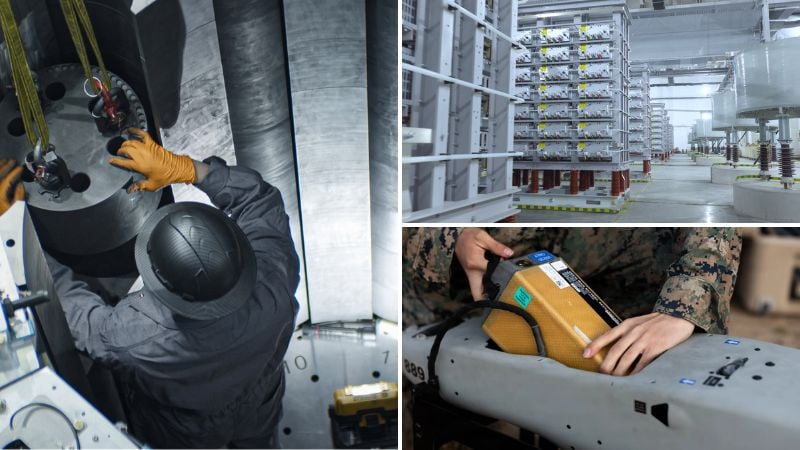
![]() Batteries, energy storage, and nuclear reactors.
Batteries, energy storage, and nuclear reactors.
CATL Shifts Battery Focus from EVs to Energy Storage
Chinese battery giant CATL stated that about half its global battery sales will be used for energy storage systems by 2030. A company executive said that storage batteries already account for 25% of its sales, with 75% going to electric vehicle makers.
Driving the shift is surging demand for energy storage used with renewable energy sources, AI data centers, and grid support. Another factor is the supply chain and rising costs of sourcing raw materials. China maintains market dominance in lithium refinement facilities and stakes in lithium extraction sites. It also controls much of the extraction and processing of rare metals and elements.
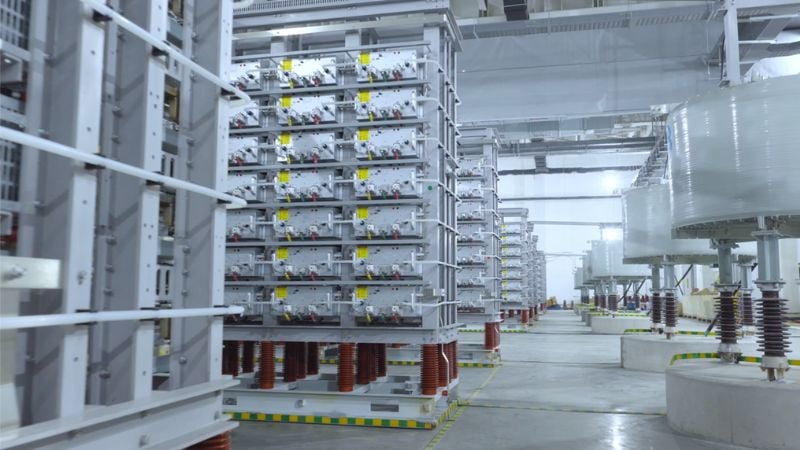
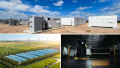
Battery energy storage at CATL’s ESVL laboratory. Image used courtesy of CATL
Other major battery manufacturers, such as LG Energy Solution and Samsung SDI, have announced similar changes. Ford and GM have also pivoted from EVs to energy storage as EV sales have slumped.
In late May, CATL launched its Xiamen Energy Storage Validation Research Institute (ESVL), a testing and validation platform for energy storage. The company claims the 10-hectare, $400 million facility is the world’s largest.
PNNL Producing Prismatic Battery Cells Aimed at ESS
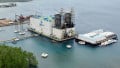
The Pacific Northwest National Laboratory has started producing prismatic battery cells on a 16-piece production line in its Washington state-based facility. The cells are intended for use in grid-scale energy storage systems.
The 1,400-square-foot lab is humidity-controlled to protect the battery materials.
The prismatic battery production line. Video used courtesy of the PNNL
PNNL will produce two prismatic cells with two different chemistries: sodium-ion and lithium iron phosphate (LFP). Both are safer alternatives to lithium-ion and use abundant materials. The prismatic shape also allows stacking more cells in a smaller space.
Researchers will test both cell types to validate their performance and safety under various conditions.
DARPA To Develop Next-Gen Rechargeable Batteries for Military Use
DARPA, the Defense Advanced Research Projects Agency, has begun a 36-month initiative to develop next-generation rechargeable batteries for use in military drones, ground vehicles, and military equipment. The ExPEDitions program (Expeditionary Power- and Energy-Dense Implementations) will make batteries with five to ten times the energy density of current batteries.
The project is inviting battery researchers to submit proposals for prototypes, with abstracts due on June 26 and full proposals on August 19. The program will begin in January 2027 and use flexible Other Transaction Agreements to partner with non-traditional defense companies.
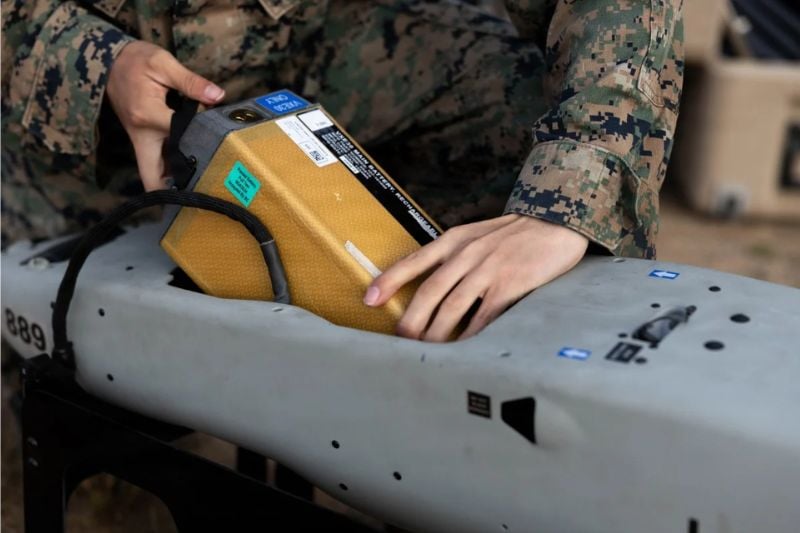
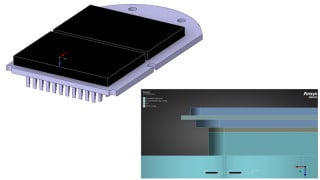
A battery powering an uncrewed aerial vehicle. Image used courtesy of Defence Blog
ExPEDitions aims to surpass 2 kWh per kilogram of specific energy, boost recharge speed, and achieve 5,000 charge cycles. It will require strict cost caps and domestic sourcing of materials like lithium and cobalt to avoid reliance on foreign supply chains.
ExPEDitions builds on a previous project, ExCURSion, which demonstrated high-capacity carbon-air systems.
Antares Advanced Nuclear Reactor Reaches Criticality
Antares Nuclear has announced that its Mark-0 microreactor has achieved initial criticality in tests at the Idaho National Laboratory (INL). The company states its modular fission reactor will be ready for production by 2028.
Antares is working with the Department of Energy under its Reactor Pilot Program (RPP), an incentive aimed at accelerating nuclear energy projects in development. The RPP provides the INL as a testing facility and smooths the way for licensing and safety authorizations. Antares has raised over $140 million in funding. The company is also partnering with BWX Technologies, Inc., which is supplying the AGR-2 TRIS fuel.
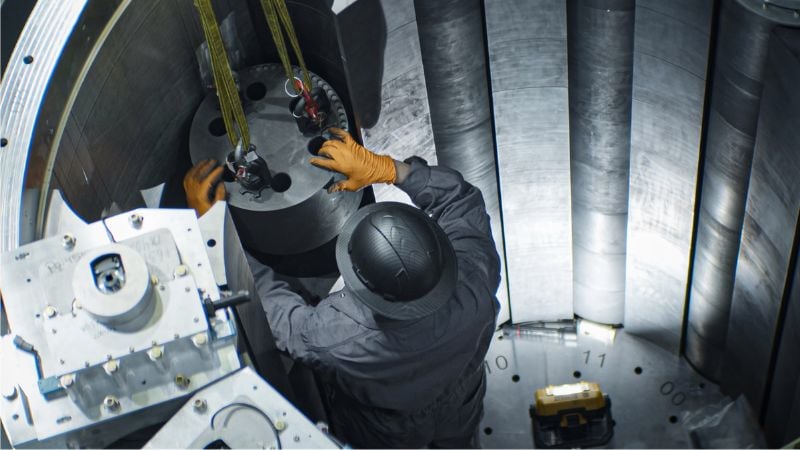
The Mark-0 microreactor. Image used courtesy of Antares
The modular reactors are intended for the U.S. Army and military installations. The Army is participating in the Mark-0 project.
Criticality indicates the reactor is operational and producing a continuous, self-sustaining fission chain reaction. Antares is the first project under the RPP to reach criticality.