Facebook
 Google
 GitHub
 Linkedin
Briefs: Hydrogen for Fuel, Storage Systems and Microgrids
GM, Hive Energy, Hyting, Energy Vault, and PG&E are addressing hydrogen’s varied advantages and challenges.
Companies worldwide are strategizing to keep up with changes in the hydrogen industry, with new developments in hydrogen fuel, energy storage, and microgrids.
While GM is pulling back on hydrogen fuel cells for its vehicles, other companies are proposing hydrogen for use in areas ranging from heating to energy storage. Hive Energy is helping to develop a green hydrogen plant, while Hyting is refining its hydrogen heat generator. In California, Energy Vault and Pacific Gas and Electric have established a hydrogen-battery hybrid microgrid to support grid operations.
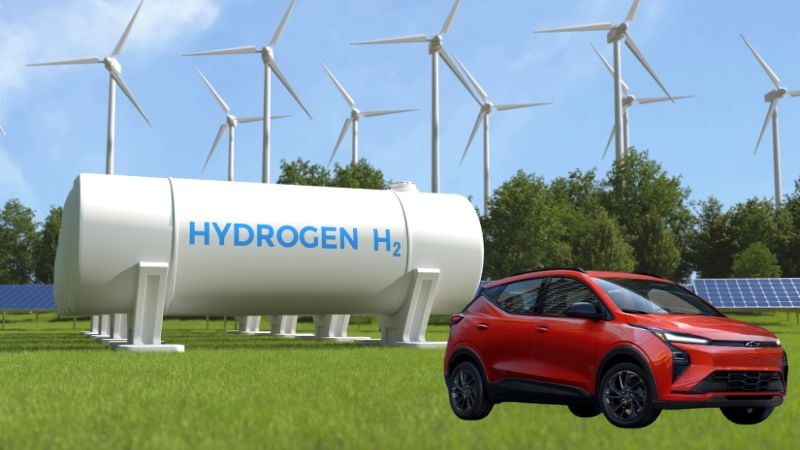
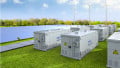
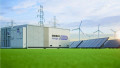
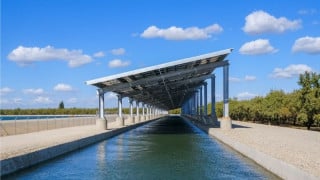
Hydrogen, microgrids, and energy storage technologies are changing rapidly. Adapted from images used courtesy of Canva and GM
GM Shifts Focus from Hydrogen Fuel to EVs—and the Bolt Is Back
GM has ended its plan to build next-generation hydrogen fuel cells, closing its Hydrotec division and scrapping plans for a $55 million factory in Detroit. Instead, the automaker will shift resources to intensify electric vehicle development, announcing the return of the Chevrolet Bolt in 2027.
GM cites a slow market for fuel cell-powered vehicles and a limited hydrogen infrastructure for refueling. However, the company has not abandoned hydrogen completely. It will continue to work with Honda through its joint project, Fuel Cell System Manufacturing, LLC, on hydrogen fuel cells for data centers and power generation.
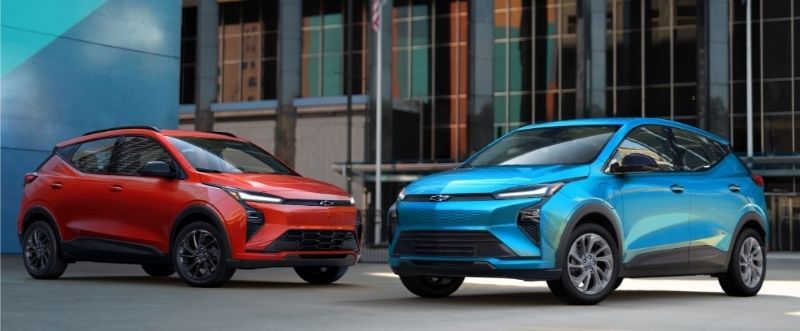
The 2027 Chevrolet Bolt models. Image used courtesy of GM
As the auto giant focuses on EVs, batteries, and charging, it is bringing back the all-electric Chevrolet Bolt “by popular demand.” The Bolt debuted in 2017, but Chevrolet stopped production after 2023, instead promoting its larger EV, the Equinox. The updated 2027 Bolt will offer 255 miles of range and a peak charging speed of 150 kW, charging from 10% to 80% in 26 minutes with DC fast charging.
Massive Wind Farm and Green Hydrogen Plant Approved
The Carissa Wind Energy Facility in South Africa will move forward after securing approval from the Environmental Authorisation. The plant comprises 154 wind turbines with a 1 GW capacity. It will power the Coega Green Ammonia facility to produce green hydrogen and help stabilize the local grid.
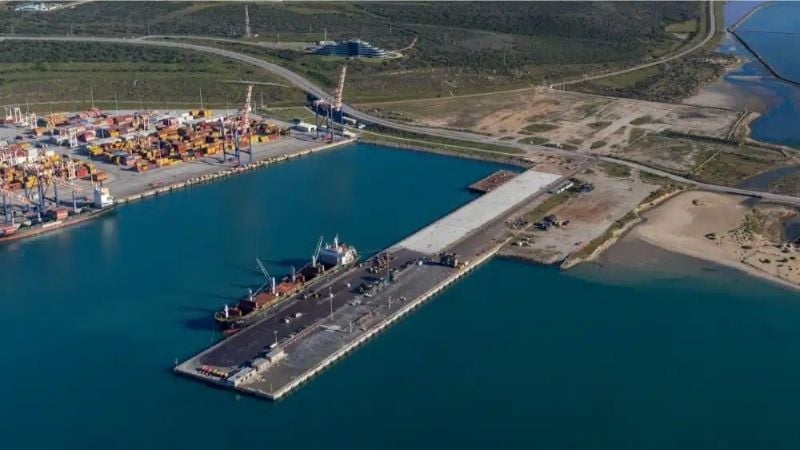
The Coega Green Ammonia site in Mandela Bay. Image used courtesy of Hive Energy
Hive Energy is leading the Coega Green Ammonia Project in partnership with Built Africa. The site is located in a deep-water harbor at Nelson Mandela Bay. Carissa Wind and a nearby 1,230 MW solar farm will provide the renewable energy for producing hydrogen and green ammonia, which is used for fuel and sustainable fertilizer.
The facility is expected to begin operations in 2027, with commissioning in 2029.
Hyting Hydrogen Completes Testing on 10 kW Heat Generator
Hyting’s 10kW hydrogen heat generator (HG10) has passed a 2,500-hour durability test, which simulates 10 years of normal operation. The test indicated no problems, failures, or wear on any components, including the safety-critical ones. A third-party engineering service provider conducted the test.
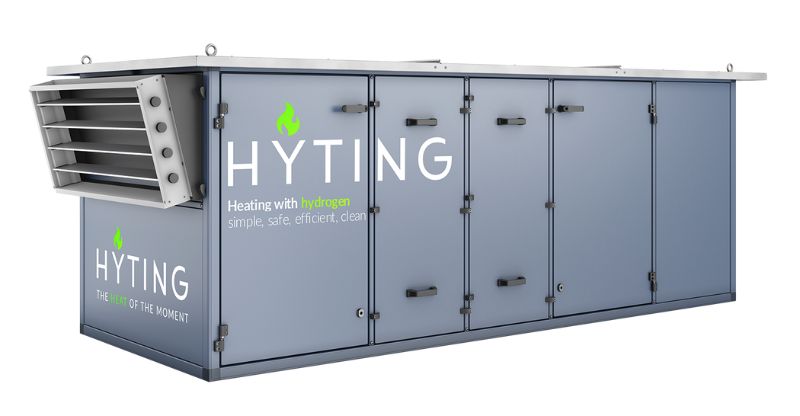
Hyting hydrogen heat generator. Image used courtesy of Hyting
The HG10 uses hydrogen gas in a flameless, catalytic process that generates heat without producing carbon dioxide, particulate matter, or NOx emissions. Hyting aims to commercialize the hydrogen-to-heat process for industrial and commercial buildings and other applications. The modular range spans from 10 kW to 50 kW and is field-test certified in Europe.
Hydrogen + Battery Storage Microgrid Adds Grid Resiliency in California
The world’s first ultra-long duration hybrid battery + hydrogen storage microgrid has begun operations in Calistoga, California. The Calistoga Resiliency Center is intended to support the grid during public safety power shutoffs and wildfire risks. Energy Vault and Pacific Gas and Electric (PG&E) collaborated to complete the project.
The 293 MWh microgrid combines advanced hydrogen fuel cells and lithium-ion batteries to deliver at least 48 hours of continuous power, with a peak output of 8.5 MW. It will serve about 1,600 PG&E customers. Energy Vault’s VaultOS Energy Management System will coordinate the system and subsystems and provide communication with PG&E’s Distribution Control Center.
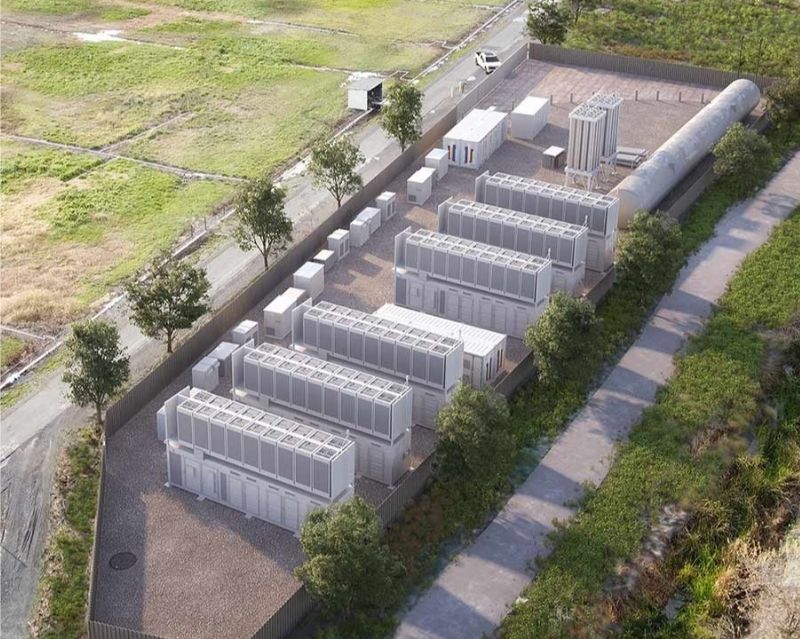
The Calistoga Resiliency Center. Image used courtesy of Energy Vault
In island mode, the microgrid generates electricity with hydrogen fuel cells. The liquid hydrogen allows for extended run time without power interruption and reduces costs. Energy Vault’s B-Vault DC battery works with the fuel cells for quick response and stable grid operations.