Facebook
 Google
 GitHub
 Linkedin
Seaworthy: Hydrogen Fuel System Powers Marine Transport
Hypermotive is pioneering a hydrogen-based fuel alternative for the long-haul marine transport industry.
Electric vehicle adoption is largely rooted in reducing carbon emissions, but the reality is that small consumer vehicles are not the only major contributor to greenhouse gasses. Much larger vehicles, like semi-trucks and cargo sea vessels, create significant carbon emissions. Freight shipping produces 2.1 billion tons of CO₂ emissions annually, constituting 7% of total worldwide emissions.
Hypermotive, a U.K. company innovating hydrogen and electric power solutions, has developed a hydrogen fuel system for large maritime vessels. This system, known as X-M1, can give existing and new vessels access to clean hydrogen power strong enough to support shipping vessels while preserving safety. The maritime industry has struggled to electrify and meet growing renewable energy mandates, but X-M1 is a promising fuel alternative that offers a power solution for the high seas.
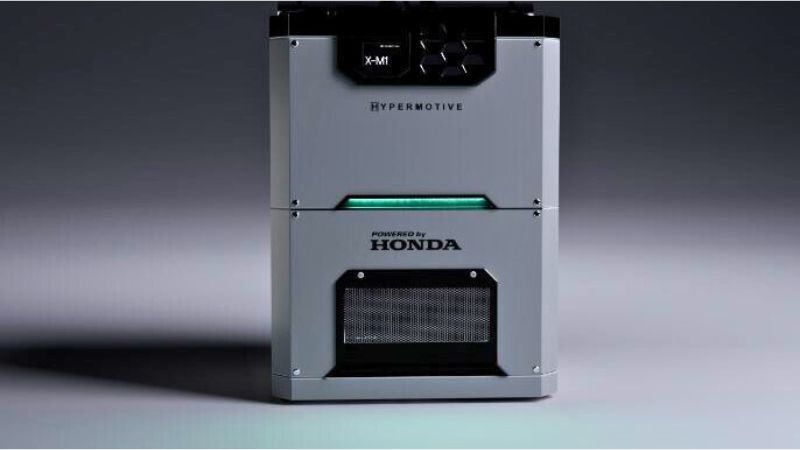
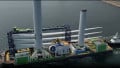
The X-M1 hydrogen fuel system. Image used courtesy of Hypermotive
The Challenge of Adapting EV Tech for Large Maritime Vessels
While engineers have been making great strides to optimize lithium-ion battery performance by experimenting with cathode materials and electrolyte solutions, adopting Li-ion battery technology for maritime vessels presents several technical and logistical challenges. One primary issue is energy density. Li-ion batteries are suitable for EVs, but their energy storage capacity is insufficient for large cargo ships, which require immense energy for long voyages.
The largest ships can consume 250 tons of fuel per day, far exceeding the energy storage capabilities of current Li-ion batteries. This limitation results in reduced range and the need for frequent recharging, which is impractical for freight vessels traveling long distances across the ocean.
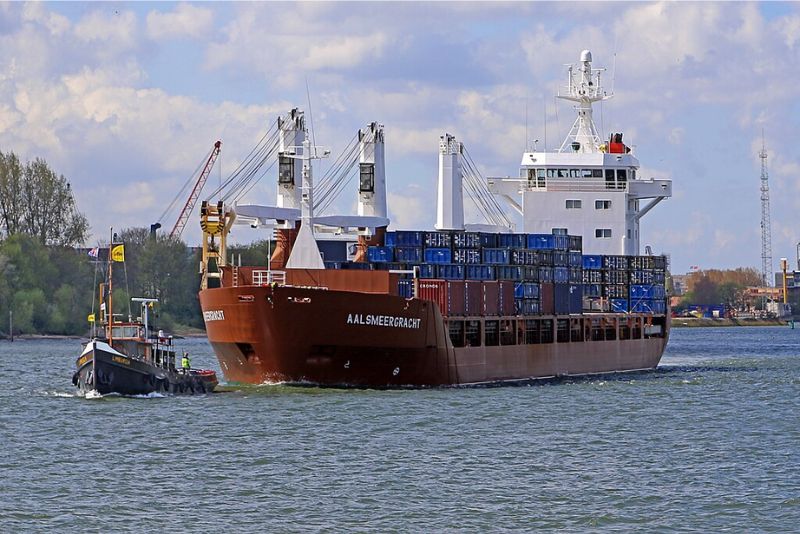
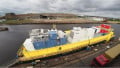
Cargo ship. Image used courtesy of Wikimedia Commons
In addition, Li-ion batteries’ weight and space requirements make them less feasible for large vessels. To power a cargo ship for long distances, the battery would occupy a significant portion of the vessel's cargo space, reducing its profitability. The cost of large-scale battery systems remains prohibitively high, making it an economically challenging solution. The semi-truck industry is currently facing this same problem. Trucks outfitted with Li-ions are prohibitively expensive for most companies, and they cannot accommodate the upfront costs or subsequent impact on long-term profitability.
Beyond Li-ion technology, decarbonizing the maritime industry faces other hurdles, such as the slow adoption of alternative fuels like green hydrogen or ammonia, which are still in the developmental stages of shipping. Infrastructure for fueling these vessels is lacking, and creating global refueling networks is a complex logistical endeavor.
These challenges and the need for durable, sustainable materials to handle marine conditions are slowing the industry's transition to renewable energy. However, Hypermotive’s new partnership with Honda has sparked the development process for a hydrogen fuel option that will enter testing trials in 2025.
X-M1 Makes Hydrogen Fuel a Feasible Alternative to Li-Ions
X-M1 tackles the maritime sector’s reliance on fossil fuels by offering a clean alternative that meets commercial needs for reliability and safety. It allows the freight shipping sector to address emissions reduction and operational demands because the hydrogen fuel cell system can create power through green hydrogen.
Ships can combine X-M1 with Hypermotive’s SYSTEM-X technology, which utilizes both hardware and software to enable the use of hydrogen fuel cells, compressed gas, and cloud applications to maximize the hydrogen power system’s performance.
The X-M1’s two core advantages are its scalability and modular design, which allow various vessels to implement it without costly redesigns or retrofits. Its functionality is compatible with both new and old vessels.
Unlike diesel engines emitting CO2 and other pollutants, hydrogen fuel cells generate zero greenhouse gasses, making them a dramatically cleaner option. The shift from fossil fuels to hydrogen in maritime applications reduces carbon emissions and air pollution, helping to combat climate change and improve environmental sustainability in the shipping industry. By assisting the marine long haul sector in getting on par with the passenger EV industry, the worldwide transportation carbon footprint could drastically decrease in the coming years.