Facebook
 Google
 GitHub
 Linkedin
Briefs: Big Moves for Battery Energy Storage Systems
Tesla, LG Energy Solution, General Motors, Airengy, and Arevon are among the companies investing in battery energy storage technologies and facilities.
Battery makers are shifting their focus from electric vehicles to battery energy storage systems (BESS), and for good reason. The Energy Information Administration projects that the U.S. will add record levels of electricity capacity in 2026, with solar accounting for more than half. Data centers are creating additional demand for storage, not only for on-site renewable energy but also to back up critical operations and stabilize local grids.
Companies are leaning into the demand as manufacturers seek to break China’s dominance on batteries, and developers continue to plan storage facilities worldwide. Tesla is converting an LG EV battery plant for energy storage batteries, while LG and General Motors are retooling their Tennessee factory for storage batteries. Meanwhile, massive BESS projects are planned for Italy and California.
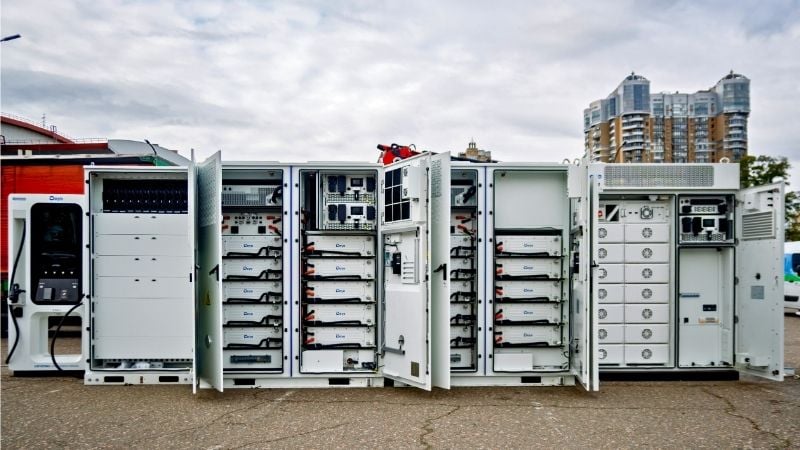
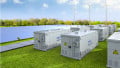
![]() Batteries in an energy storage unit. Image used courtesy of Adobe Stock
Batteries in an energy storage unit. Image used courtesy of Adobe Stock
Tesla Revives Michigan LG Energy Battery Plant for Megapack
Tesla has signed a $4.3 billion agreement with LG Energy Solution to purchase battery cells for its Megapack energy storage units made at its Michigan facility.
The plant previously manufactured lithium-ion batteries for electric vehicles as part of a joint project between LG and General Motors. However, the facility has been idle since late 2024, when GM shifted its priorities away from EVs and sold its stake in the project to LG.
The Lansing, Michigan, factory will now produce lithium-iron phosphate batteries specially made for Megapack 3s, which are used for grid-scale energy storage. Tesla’s Megafactory in Houston, Texas, produces the Megapacks.
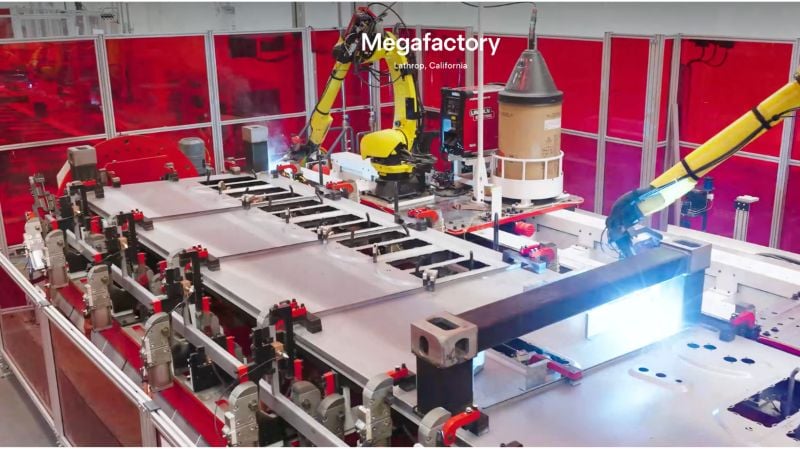
A Tesla Megafactory. Image used courtesy of Tesla
Production will begin in 2027 and run at least through 2030. The deal includes the option to extend the contract for an additional seven years.
GM and LG Convert Tennessee EV Battery Plant to Storage Systems Batteries
General Motors and LG Energy Solution are repurposing their Ultium Cells electric vehicle battery plant in Tennessee to manufacture LFP battery cells for energy storage systems (ESS) to support grid-scale energy and data centers.
The $70 million project will use the technical expertise in ESS batteries that LG previously developed in its Michigan facility. LG will then package the battery cells into the ESS enclosures. The plant renovation will be completed by Q2 2026.
LG states it plans to increase its ESS battery production capacity to more than 60 GWh, with 80% of that capacity located in North America.
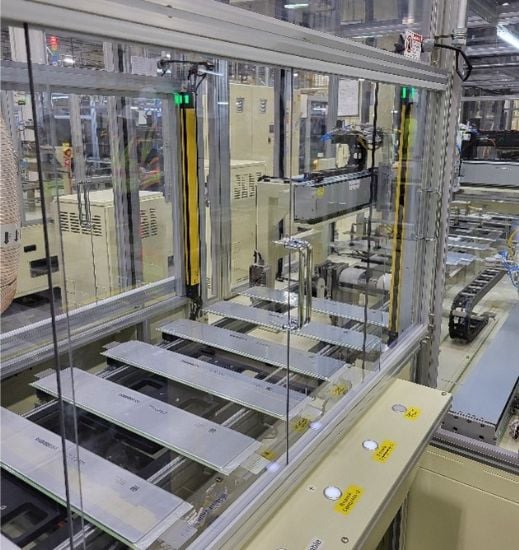
The Spring Hill, Tennessee, plant. Image used courtesy of Ultium Cells
LG Energy’s ESS network comprises two wholly owned facilities in Michigan and one in Windsor, Ontario. The company also has a joint venture with Honda. It plans to include ESS battery production in all plants by year’s end.
Like other automakers, GM is cutting back on its EV production after slowing sales.
Italy’s Largest Energy Storage Project Set for Construction
Terna, Italy’s national transmission system operator, has approved Airengy’s plans for the country’s largest battery energy storage system to date. The facility will deliver 509.25 MW with a total storage capacity of 3 GWh.
After finalizing engineering details, licensing, and other documentation, Airengy will develop the BESS in the Brindisi area of southern Italy and connect through the Pignicelle substation, about 3 km away. Construction is expected to take about 20 months.
The project is a 50-50 joint venture between Airengy and Yehuda Levi Group. The €230 million investment is expected to yield annual revenues of €35 million to €50 million.
Israel-based Airengy recently signed binding agreements to acquire six solar project companies in Poland, totaling 34 MW. Additionally, it acquired a 51% control in Green-Go, a Danish company that develops photovoltaic facilities focusing on agrivoltaics.
Arevon Energy Begins Construction of 250 MW Storage Project in California
Arevon Energy has started building a 250 MW, 1,000 MWh energy storage project near San Francisco. The $600 million Cormorant Energy Storage facility, expected to go online in 2027, will provide enough power for 321,000 homes for four hours, when needed during peak demand periods.
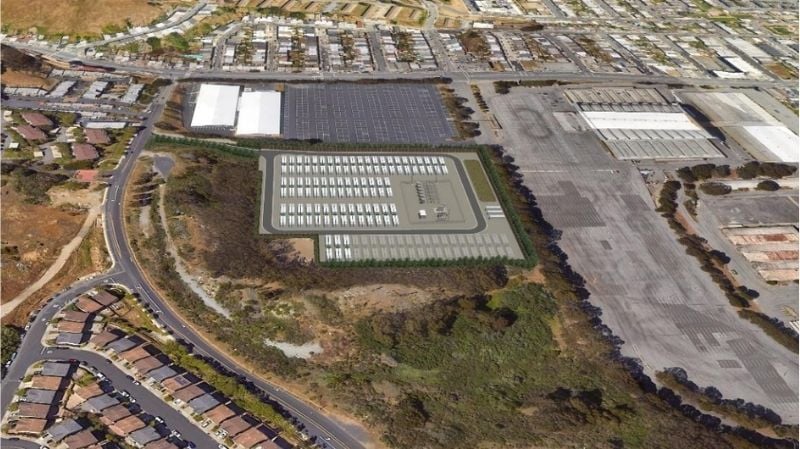
Rendering of the Cormorant Energy Storage facility. Image used courtesy of Arevon
The project will use LFP batteries. Arevon signed a long-term offtake agreement with electricity provider MCE, which serves about 1.8 million people.