Facebook
 Google
 GitHub
 Linkedin
Microgrid Mania: Trending Technology in Alternative Energy
Trending technology, innovative uses, and renewable energy advances propel microgrids to unprecedented popularity.
Microgrids have surged as renewable energy systems become cheaper and more accessible to businesses, industries, and public facilities. Technological advances, especially in energy storage, have led to more reliable and flexible microgrids that can be customized to meet individual needs. Energy-as-a-service (EaaS) has also transformed microgrids’ relationship with larger grid systems.
While research continues to increase efficiency, streamline operations, and resolve problems, including safety and security concerns, several trends are emerging in microgrid use and applications.
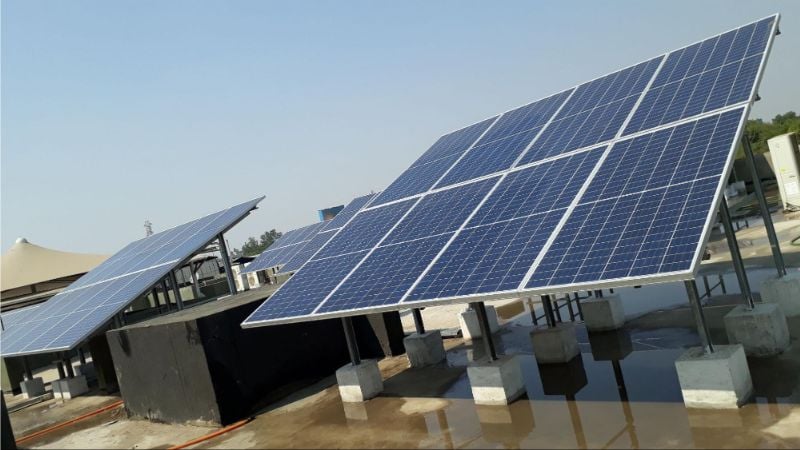
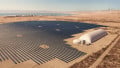
Solar microgrid. Image used courtesy of Adobe Stock
Microgrid Advantages
Microgrids can offer economic and practical benefits. Increasing electricity rates, taxes, fees, and other charges drive electric bills higher, making the microgrid alternative more attractive. At the same time, initial installation costs for solar panels, battery storage, and other microgrid infrastructure are dropping. Microgrid users can save on ongoing costs by selling energy to utility companies through net metering programs or contracting for EaaS services.
Renewable energy-powered microgrids can also assist companies in meeting carbon reduction goals. They can lessen greenhouse gas emissions by directly replacing diesel generators or through carbon offsets.
Microgrids are reliable energy sources during brownouts or blackouts. Conventional grid infrastructure may become undependable as it ages and extreme weather becomes more common. Power outages lead to revenue loss and threaten critical services such as data centers and medical facilities. Companies are installing microgrids as backup or supplementary energy.
Battery Storage
Battery energy storage systems have become essential to microgrids of all sizes. Battery-based storage systems are available in any size and can be scaled up or down as needed. Cloud-based controls have made these systems easier to manage.
However, battery storage carries some risks. Nearly all battery storage systems use lithium-ion batteries, prone to thermal runaway and fire. The National Fire Protection Association has set standards to guide battery storage systems’ design, installation, and operations. It also recommends adequate cooling, venting, and explosion prevention systems.
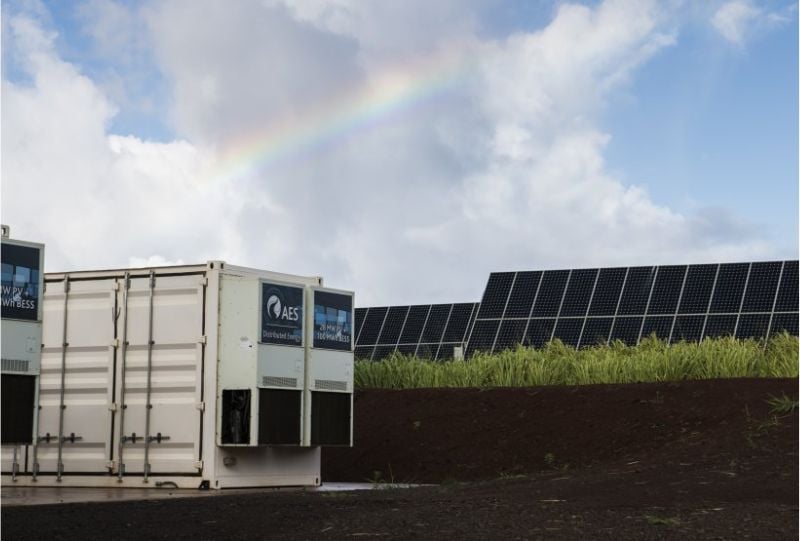
Solar plus battery storage. Image used courtesy of the Department of Energy
Off-Grid Capabilities
The U.S. Army has developed 28 microgrids at bases and facilities and plans to add 156 more by 2030. These systems supplement grid power and are designed to meet the Department of Defense’s energy resilience and decarbonization goals.
The military is also developing self-contained microgrids where conventional power is unavailable or undesirable.
Tactical microgrids typically function by diesel generators, but diesel can be costly and dangerous to transport in combat zones or emergencies. Renewable energy microgrids can supply needed power but are difficult to scale up. Solar panels and wind turbines have specific land and environmental requirements that may not fit every deployment situation.
The military is investigating other microgrid power sources, including nuclear microreactors. These units can be transported by air and set up in remote locations.
Grid Independence
In industry, microgrids are popular for supplementing grid power or backing up essential operations during outages. Could grid independence be the next microgrid trend?
In West Virginia, a solar microgrid will power a metal-making plant. Titanium Metals Corporation will use a solar-plus-storage microgrid created by BHE Renewables in its new facility to melt and shape titanium. The microgrid will generate 106 MW of solar power and use a battery energy storage system to provide 260.5 MWh of electricity.
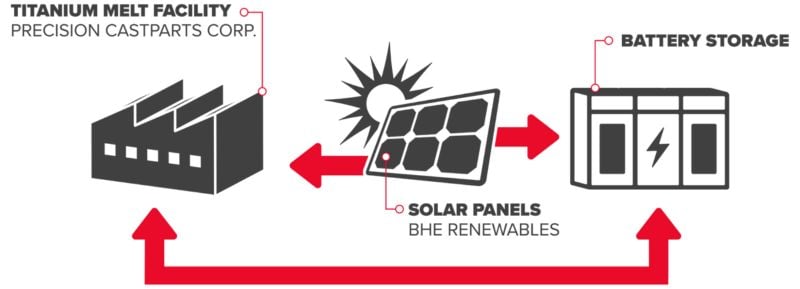
Microgrid for titanium melting facility. Image used courtesy of BHE Renewables
Hydrogen Microgrids
Although most microgrids are solar-powered, hydrogen microgrids are becoming popular. For example, California-based Bloom Energy markets microgrids using solid oxide fuel cells as a clean source of industrial backup power. The company touts its technology as an “always on” microgrid since it’s not subjected to variable conditions like wind and solar experience.
The Department of Defense and the Air Force Research Laboratory (AFRL) are exploring other hydrogen possibilities. The AFRL has integrated hydrogen fuel into a solar microgrid in Pearl Harbor, Hawaii. The solar-hydrogen hybrid microgrid is part of the Hydrogen Fuel Cell Microgrid (H2MG) project to research and test hydrogen uses.
Microgrids and the Future
Microgrids are attractive because they give users choices and control over their energy sources. However, this advantage also makes microgrid development unpredictable and sporadic, with little standardization. It’s not a problem for off-grid microgrids, but grid-connected microgrids need to communicate with other grid assets as part of virtual power plants and distributed energy resource management systems. The next trend in microgrid mania may be standardization