Facebook
 Google
 GitHub
 Linkedin
Creating the World’s First Large-Scale Potassium-Ion Battery
The battery surpasses lithium-iron phosphate and sodium-ion batteries in safety and energy storage.
Lithium-ion batteries have long been the dominant energy storage technology, powering everything from toys to electric vehicles. However, relying on materials such as lithium, cobalt, and nickel presents significant challenges. These resources are expensive, geographically concentrated, and present environmental concerns. As a result, researchers are pushing to explore alternative materials and technologies that can offer improved sustainability and performance.
Among the emerging solutions, potassium-ion batteries (KIB) are gaining attention for their potential to offer safer, more abundant, and cost-effective energy storage. Group1 has unveiled the world’s first 18650-format potassium-ion battery.
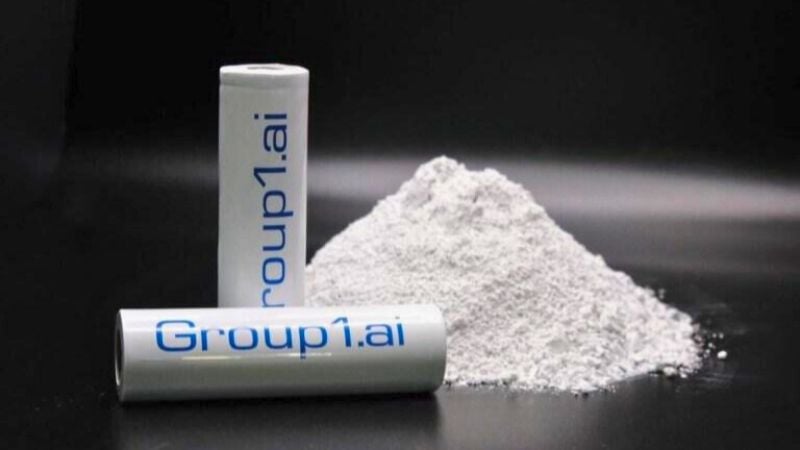
Concept of KIB. Image used courtesy of Group1
Why Go Beyond Lithium?
Lithium-ion batteries (Li-ion) have been predominant in energy storage technology. However, they face multiple challenges, primarily associated with sourcing raw materials like lithium, cobalt, and nickel.
These materials are expensive, geopolitically sensitive, and involve complex supply chains that often raise ethical concerns. For example, China alone is responsible for 85-90% of the global refining of rare earth elements, along with processing 68% of the world’s cobalt, 65% of nickel, and 60% of battery-grade lithium required for EV production, according to Goldman Sachs. In a tense geopolitical climate, reliance on foreign entities for crucial battery materials is undesirable.
Li-ions also pose environmental risks due to resource-intensive extraction methods and hazardous waste at the end of their life cycle. Furthermore, Li-ions are prone to overheating, thermal runaway, and age and cycle-based performance degradation.
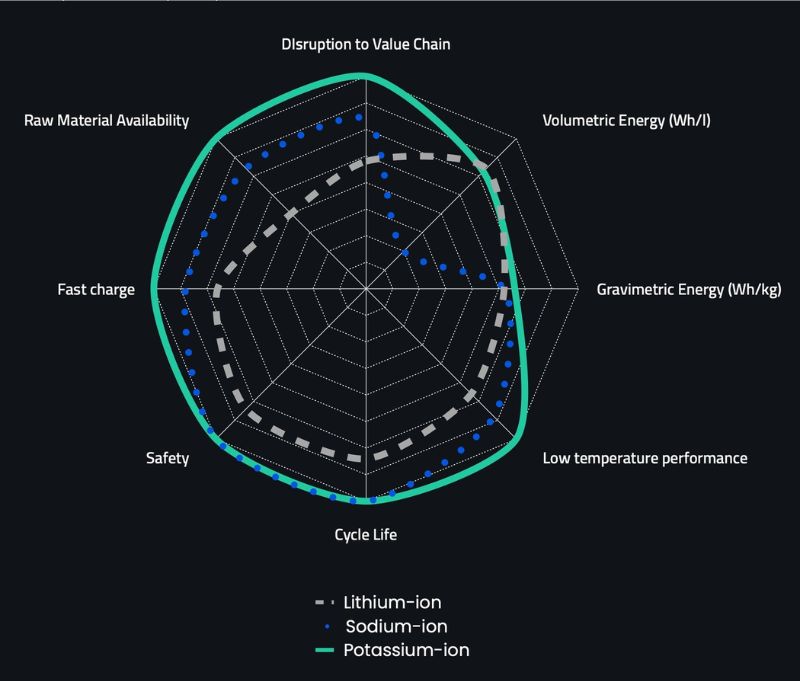
Comparing KIBs to other battery technologies. Image used courtesy of Group1
Instead, researchers have been exploring potassium as an alternative, as the element is abundantly available, making it a more sustainable and affordable option.
The working principle of KIBs is similar to lithium-ion batteries. They consist of an anode, cathode, and electrolyte, through which potassium ions move during charge and discharge cycles. In the charging process, potassium ions migrate from the cathode to the anode, while the reverse occurs during discharge. Despite the KIB’s slow reaction kinetics and poor electrochemical performance, scientists are working to improve this technology.
Potassium-Ion Batteries
A group of researchers from Texas have recently developed the world’s first 18650-format potassium-ion battery. This cylindrical battery, designed to replace lithium-ion and sodium-ion batteries, offers several technical advantages.
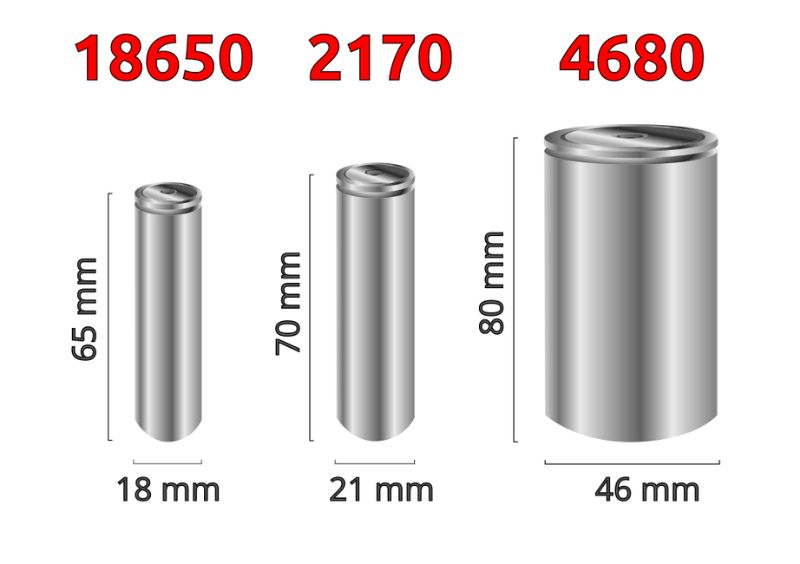
Battery sizes. Image used courtesy of Wikimedia Commons
The battery's architecture includes Group1’s core product, potassium Prussian white cathode, notable for its low cost and high theoretical capacity. Iron-based Prussian white is regarded as an excellent cathode material for KIBs due to its three-dimensional open framework, high potassium content, and affordability. Paired with graphite anodes, separators, and commercially sourced electrolytes, the battery operates by transferring potassium ions from the anode and cathode through the electrolyte during charge and discharge cycles.
Notable features are the superior cycle life and excellent discharge capability compared to current lithium-iron phosphate and sodium-ion technologies. In terms of energy density, the potassium battery can store more energy while also being safer, as potassium is less prone to overheating than lithium, reducing risks of thermal runaway. The 18650 form factor, widely used in electronics and EVs, makes this battery versatile and compatible with most existing technologies.
Future Outlook for KIBs
While still in the early stages, the timeline for scaling up potassium-ion battery production remains unclear. However, sample distribution to industry partners suggests that commercialization efforts are already underway. If potassium-ion batteries meet performance expectations and manufacturing scalability, they could contribute to diversifying global battery supply chains, reducing material shortages, and facilitating more widespread adoption of renewable energy storage systems.