Facebook
 Google
 GitHub
 Linkedin
Biz Briefs: EV Chargers, Fuel Cells, and Wind Turbines Push On
Recent business plans and partnerships involve InstaVolt, Wallbox, Doosan Fuel, Ceres, Richardson Electronics, KEBA Industrial Automation, Siemens, and TRC Companies.
Energy needs are growing and changing, and companies worldwide are taking strategic steps to innovate solutions. The latest business news includes collaborations and new facilities to satisfy demands for electric vehicle charging, wind generation, fuel cells, and grid capacity and management.
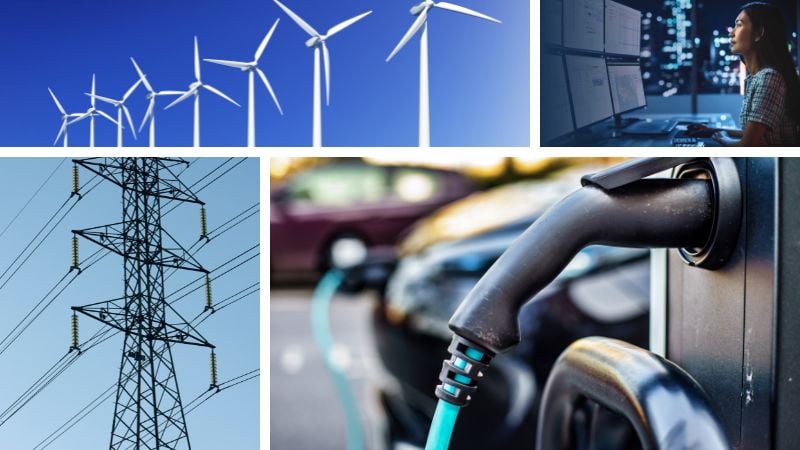
Business deals will affect electric vehicle charging, wind turbines, and power grid management. Adapted from images used courtesy of Siemens and Canva
InstaVolt To Build Fast-Charging ‘Superhub’ in Wiltshire
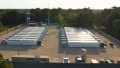
InstaVolt will build a 30-bay ultra-rapid electric vehicle charging hub near a major highway in Wiltshire, U.K.. The company signed a 40-year lease as part of a long-term partnership with Fonthill Estate. The site off the A303 is expected to open in spring 2026.
The “Superhub” will be grid-connected but will also use solar and battery storage. InstaVolt states the renewable energy will offer periods of discounted charging. A similarly-equipped Superhub in Winchester had prices as low as 50p per kWh this summer. InstaVolt’s rapid DC chargers provide charging from 50 kW to 160 kW.
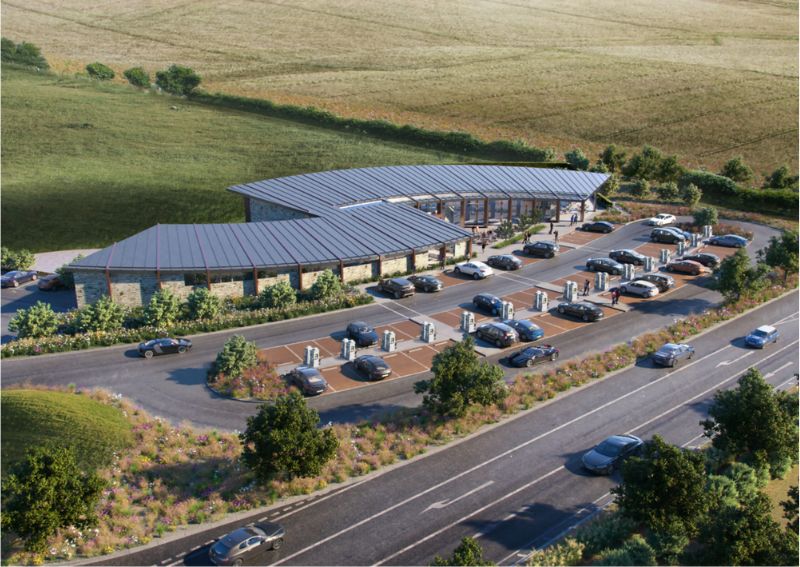
Proposed EV charging Superhub. Image used courtesy of InstaVolt
The Superhub will also include a farm shop and café. The site will serve EV drivers traveling on the A303 and the nearby community.
Wallbox Leverages EV Chargers as Virtual Power Plants
EV charging specialist Wallbox is partnering with Leap to create virtual power plants (VPPs) in California and New York using smart EV charging. The initiative will support the local grids and provide incentives for residential customers to participate in the Wallbox Rewards smart charging program.
The new VPPs will use Leap’s platform for building and scaling VPPs. The platform will connect energy collected from the residential chargers to the local grids. The VPP can intelligently coordinate when chargers draw power and function as a flexible distributed energy resource to help balance intermittent renewable generation and manage demand peaks.
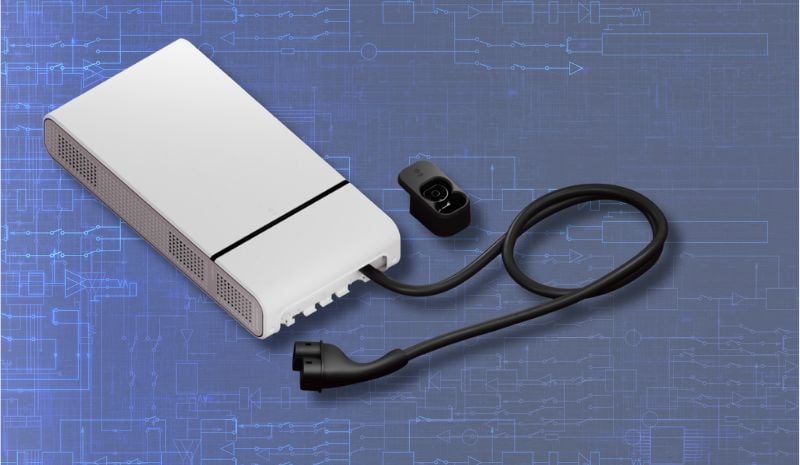
Quasar 2, Wallbox’s bidirectional charger. Image used courtesy of Wallbox
Wallbox Rewards is a smart charging program that allows users to schedule their EV charging at times when electricity prices are lower. The program works with local grids to enhance grid flexibility and stability.
Doosan Fuel To Mass Produce Ceres’ Fuel Cell Power Systems
South Korea-based Doosan Fuel will begin mass production of Ceres’ solid oxide technology in fuel stacks and fuel cell power systems. The first fuel cell products will be available in South Korea by the year’s end.
Doosan will market the fuel cells for stationary power systems like data centers, renewable power grids, microgrids, and building power systems. Another use is power solutions for marine shipping markets.
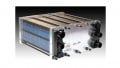
Ceres uses a reversible cell technology that can operate in either fuel cell or electrolysis markets. The solid oxide technology uses ceramic materials around a steel backbone. Using widely available materials enables cost-effective, flexible, and scalable applications.
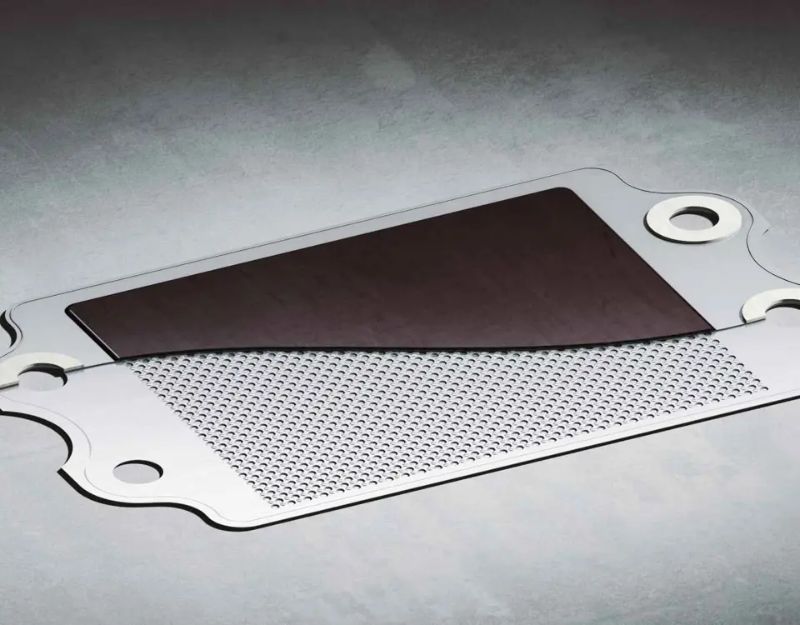
Ceres cell. Image used courtesy of Ceres
Richardson Electronics Partners With KEBA for Wind Turbine Pitch Systems
Richardson Electronics and KEBA Industrial Automation are collaborating on a line of cost-efficient pitch systems for wind turbine installations in North America. The plan combines Richardson’s custom-built Pitch Energy Modules with KEBA’s Pitch Drive Technology. The companies are seeking to ease compatibility, speed up deployment, and offer greater flexibility in wind energy development.
KEBA’s technology aims to reduce material use and operating costs. Built for harsh conditions, it features an emergency pitching profile and TÜV-certified safety functions to minimize extreme loads. It can use various system architectures and motor technologies with fanless designs.
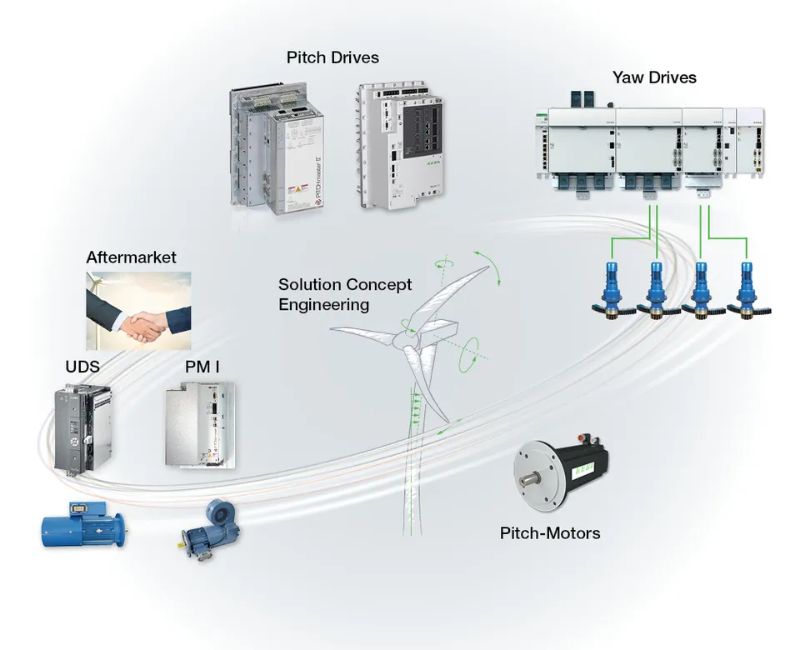
KEBA’s wind turbine solutions. Image used courtesy of KEBA
Siemens and TRC Partner for AMI 2.0 in Arizona
Siemens will work with TRC Companies to provide grid management upgrades to the Salt River Project (SRP) utility in Tempe, Arizona.
Siemens will replace SRP’s legacy meter data management systems with its Gridscale X Meter Data Management software. The Advanced Metering Infrastructure (AMI) 2.0 offers data collection and analysis while improving performance and functionality.

Siemens’ Gridscale X Meter Data Management. Image used courtesy of Siemens
Gridscale X scalable software also offers interoperability, allowing point-to-point data conversions from various metering systems. It can aggregate data from distributed energy resources to understand consumption and improve production with real-time monitoring. The software can also assist with regulatory compliance.
SRP is among the largest utilities in Arizona, serving 1.5 million users in the Phoenix area across 2,900 square miles. The improvements will enhance SRP’s ability to meet growing energy demands due to home and industry electrification, data centers, and electric vehicles.