Facebook
 Google
 GitHub
 Linkedin
Meeting Unprecedented Energy Demand With Virtual Power Plants
Virtual power plants are primed to go from concept to reality and can help utilities respond to unprecedented increases in demand and demand volatility.
After decades of stability, electricity demand has accelerated rapidly, driven by large-scale trends. Earlier this year, the U.S. Department of Energy (DOE) predicted that “electricity demand is increasing and is expected to accelerate over the next decade due to the expansion of industries like data centers, robust investment in new and existing manufacturing sectors like semiconductors and batteries, and deployment of electric vehicles.”
To meet the rising demand, the DOE called for major investments in clean energy, including increasing grid capacity using distributed energy resources (DER) like solar, wind, hydrogen, and batteries. Virtual power plants (VPP) will be an essential component of utilities’ resource portfolios for managing those DERs and meeting rising demand in the face of direct pressure from regulators and stakeholders to show progress in defining and executing a virtual power plant strategy.
What Are Virtual Power Plants?
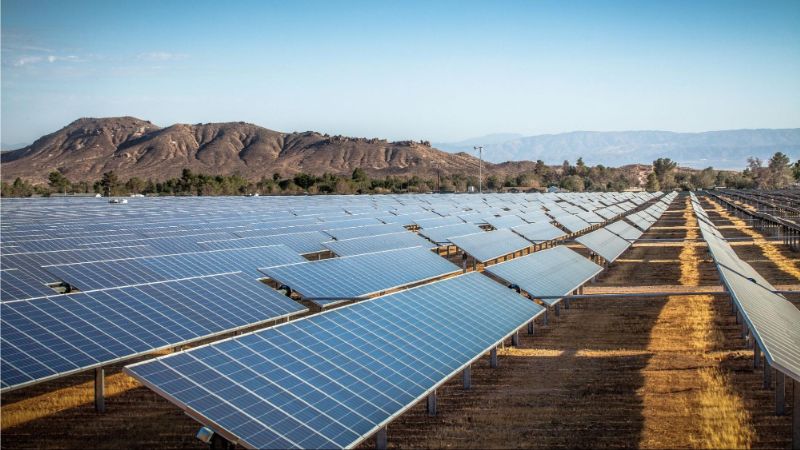
VPPs combine small resources close to the grid edge where electricity is consumed. These DERs are owned and operated by residential and commercial customers who sell usage rights to the utility. The utility uses those aggregated DERs to provide capacity, energy, and other grid services. Collectively, the aggregated DERs enable utilities to increase effective capacity and provide flexibility for responding to peak demand without building or expanding traditional power plants.
VPPs can expand the available clean energy supply, augmenting traditional wind, solar, and other renewable investments. Individual DER owners are ultimately responsible for the installation and maintenance costs of the asset with no transmission cost involved. Utility companies gain option value they can employ to increase the portfolio performance of their other investments while enhancing reliability and maintaining affordability for customers.
For decades, utilities could predict load with high accuracy by combining weather forecasts with data on past customer behavior. That load could be served by combining base load sources with dispatchable gas plants to meet peak needs. Load growth was similarly predictable based on new connections for familiar uses. As renewable supply began to grow, the demand for new green energy products could be satisfied by combining the daily supply mix with purchased renewable energy credits.
Today’s net load is far less predictable. Utilities face increasing uncertainty with rapidly shifting variables and numerous unknowns. The generation side of the equation includes a range of variable sources. New load types, such as transportation and data centers, account for a large fraction of load growth. And these non-traditional loads do not follow familiar patterns. Customer expectations for green energy products increasingly require complex hour-for-hour matching between generation and consumption.
The uncomfortable truth is things have become unpredictable for utilities. Fortunately, VPPs can be an excellent tool for responding to rapidly shifting needs. But, for a VPP to deliver the greatest benefit, it must be designed, implemented, and operated to maximize flexibility. The resulting optionality will enable utilities to respond effectively to changing circumstances today and address a range of novel challenges in the future.
The key to maximizing flexibility through VPP strategy and design is making the right decisions about where to break down silos while simultaneously making prudent choices about where to maintain separation between systems.
Increase Adaptability by Breaking Down Silos
For VPPs to operate effectively and adaptably, utilities must break down the walls that traditionally exist between departments. Building a flexible VPP requires collaboration between historically separate functions within the utility.
An example is the benefit of bridging the gap between Customer Programs and System Operations groups. By increasing communication and collaboration between these teams, the Customer Programs team might identify ways to update program rules to permit (and encourage) customers to participate in the VPP more often rather than only under the limited circumstances codified by existing peak load reduction programs. Such changes can unlock greater VPP participation and provide the System Operations team with more options to access the VPP. Given more options, the Operations team may use the resource in new ways, leading to new sources of value.
Greater collaboration between Systems Operations and Customer Programs teams can identify strategies for managing batteries and EVs connected to the VPP to increase the Operations team’s control over when those devices are charging and when they deliver power to the grid (all without inconveniencing customers). By working together, Customer Programs and System Operations can define and manage VPPs in more valuable ways than either one could design on its own—maximizing the VPP’s future flexibility and enhancing the utility’s ability to use DERs for multiple purposes.
Futureproofing Virtual Power Plant Technology
Because the VPP technology ecosystem is complex and rapidly evolving, sound decisions that preserve investment longevity are crucial. The wrong technology decision can create rigidity, inflexibility, vendor lock-in, or regulatory complications that limit VPP value. One key to futureproofing VPPs is knowing which systems and data to separate.
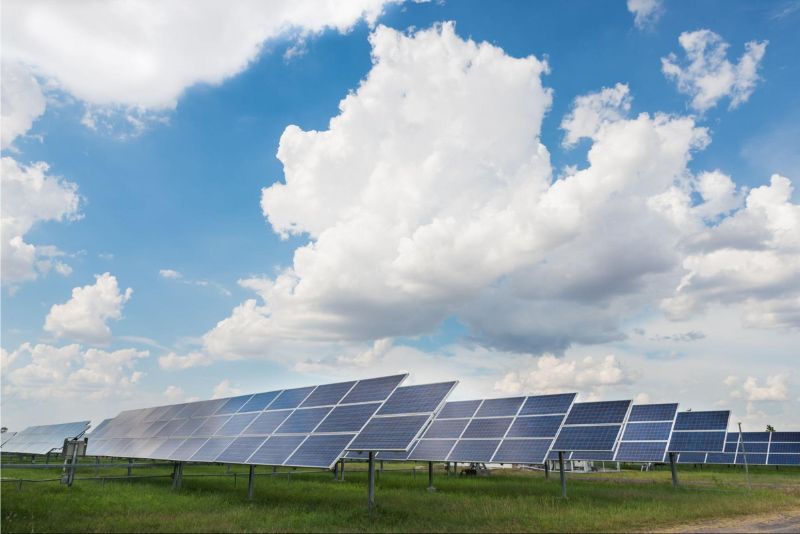
After breaking down department silos, the guidance for separating systems may seem counterintuitive. But system architectures that decouple internet-connected behind-the-meter devices and technologies from utility-connected front-of-meter devices and technologies can enable utilities to maintain and build upon their investments in secure, reliable OT (operational technology) systems while taking advantage of rapid investor-led innovation in consumer and business markets. Separating DERs connected to utility networks from those on the public internet helps maximize flexibility, enabling the orderly and adaptable development and scale of VPPs facing changing circumstances.
The evolution of distributed energy resources management systems (DERMS) illustrates this separation of systems. Over the past several years, the DERMS market has evolved into grid DERMS and edge DERMS. Grid DERMS are connected directly to utility networks and other OT systems. In contrast, edge DERMs are frequently deployed in the cloud, enabling them to connect and interoperate with increasing device categories and manufacturers. By separating grid DERMS from edge DERMS, utilities can speed procurement and implementation—potentially lowering costs while increasing VPP value over time.
Takeaways
There is no one-size-fits-all solution when it comes to VPPs. Utilities must create strategies that meet their unique needs, but those strategies can be guided by best practices and by lessons from the experiences of others. With expert help and flexibility as a guiding principle, utilities can create a blueprint for maximizing option value, enabling virtual power plants to address today’s challenges and future surprises.