Facebook
 Google
 GitHub
 Linkedin
Exclusive: How the Smart Grid Powers Super Bowl LIX
Intelligent grid management can handle the Super Bowl energy surge. EEPower has exclusive insights.
When the Kansas City Chiefs and Philadelphia Eagles kick off in New Orleans Sunday night, local grid operators will work offsite to keep the power flowing to Caesars Superdome.
Learn more about intelligent grid management tools. Video used courtesy of Itron
The Super Bowl is expected to use approximately 12 MW of electricity, about 70% of its maximum capacity. That’s equivalent to the power needed for 7,000 homes, according to Entergy, the New Orleans utility.
To avoid power interruptions, grid operators optimize energy using intelligent tools like grid edge technology. To learn more, EEPower spoke to Nick Tumilowicz, director of product management and distributed energy management at Itron. With these tools, the local grid could increase its capacity by as much as 20% to meet the big day’s power demands, he said.

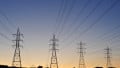
What does it take to power the game—and much more—during the Super Bowl? Image used courtesy of Adobe Stock
Predicting the Power
Caesars Superdome has hosted larger events than the Super Bowl. Taylor Swift played three dates last summer for her Eras tour. The power draw for each night’s concert was estimated at 14 MW.
According to Tumilowicz, grid operators use information like this to predict their energy needs for the Super Bowl and plan strategies to meet them.
“This isn’t the first time we’ve had a Super Bowl,” he said. “This isn’t the first time we’ve had energy surges, so we use the technology that we have to create a baseline to say, last year the Super Bowl was like this, and the last 10 Super Bowls have looked like this.”
Local grids can examine how other grids handled the surge and where improvements can be made.
Then, once the game starts, grid edge intelligence offers visibility to monitor energy flow. “So you can you can visualize what happened in the past, and you have the ability now to visualize what's happening in my real time,” Tumilowicz said.
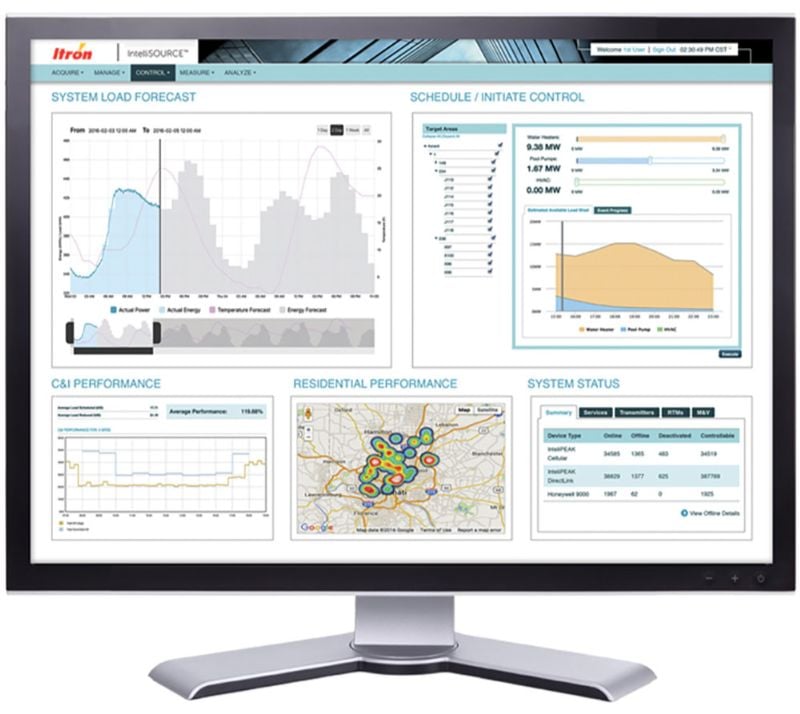
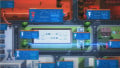
Itron DERMS, a demand response management platform. Image used courtesy of Itron
Finally, grid operators use all the data to optimize capacity. Tumilowicz used the metaphor of driving cars on a highway to explain. If everyone hits the freeway at rush hour, it will be slow going.
“That’s synonymous with electronics flowing in a conduit,” he said. “But if we were to just shift and leave a little bit earlier or leave a little bit later, those electrons can still use that same freeway. We don’t have to expand from a six to a 10-lane.”
Grid edge intelligence helps optimize energy and assets “so that nobody’s all driving at rush hour time,” he added.
Beyond the Dome
Another challenge on Super Bowl Sunday is that the party extends beyond the Superdome. Parties happen at homes, bars and restaurants, hotels, and other offsite venues. These can create localized and unpredictable power surges. At the same time, the smart grid must deal with intermittent renewable energy and distributed energy resources like rooftop solar panels.
While a smart meter can keep track of individual energy use, a grid edge platform can examine the entire network, see how the individuals are connected to one another, identify transformers and substations involved, and so on. As the grid becomes more decentralized, it’s essential to connect grid operators to resources “below the substation,” Tumilowicz said.
This connected, intelligent network can also prevent outages and help grid operators and users deal with them, he said.

Grid edge management concerns. Image used courtesy of Itron
Avoiding Another Outage
Super Bowl fans may remember the last time New Orleans hosted the game in 2013. When the halftime show featuring Beyoncé and Destiny’s Child wrapped up, the lights went out. Most of the Superdome remained dark for 34 minutes. Communication systems, television broadcasting, and climate control equipment were all left without power.
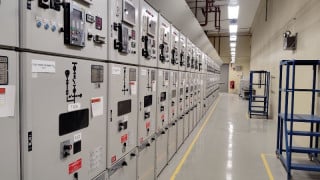
While multiple factors may have contributed, the main problem lay with faulty switchgear. Since then, all Superdome electrical equipment has been modernized or replaced. The update included switching out the old stadium lights for LEDs.
In 2013, the problem was fixed in about 20 minutes, but it took another 10 minutes for the lights to become bright enough to illuminate the field. The LEDs can turn on in an instant, and they use “a fraction of the load as the old lights did,” Tumilowicz said.
Increasing Efficiency and Reliability
When an event like the Super Bowl occurs in a specific venue, grid operators can use intelligent management tools to begin planning in advance and monitor the situation until it is over.
“Here is that big event, one location, one community, a set of transformers, likely a substation or multiple ones, and that’s where the grid operators are buckling into their seats to make sure they can use the data and tools to respond quickly to any weird things that might happen,” Tumilowicz said.