Facebook
 Google
 GitHub
 Linkedin
Trending in 2024: Battery-Powered Heavy-Duty Vehicles
From semi-trucks to forklifts, heavy-duty vehicles electrified in 2024. What drove the trend?
The transportation sector has faced mounting pressure to reduce carbon emissions and transition to sustainable technologies. While the transition to electric vehicles for passenger vehicles is well documented and publicized, few are familiar with a similar trend for heavy-duty vehicles.
Watch this battery-electric mining truck operate underground. Video used courtesy of Komatsu
Industrial vehicles, from construction equipment to logistics trucks, have contributed significantly to global greenhouse gas outputs. However, numerous innovations in battery systems, electric drivetrains, and smart energy management are quickly reshaping industrial vehicle design and capabilities. Here’s a look back at some of 2024’s heavy-duty vehicle electrification advances.
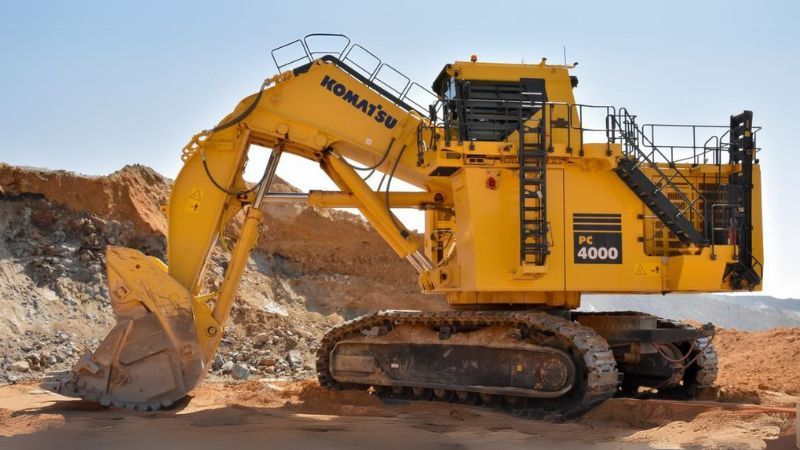
Hybrid hydraulic excavator using battery and diesel. Image used courtesy of Komatsu
ZQuip Modular Battery System
The construction industry is responsible for 20% of global emissions. Yet, transitioning heavy equipment to zero-emission operations has been costly and inefficient. To address these challenges, Moog Construction introduced the ZQuip Modular Battery System in 2024.
The system features interchangeable 70- and 140-kWh modules, allowing operators to optimize energy use by tailoring battery capacity to specific tasks. Such a modular approach is unique in that it minimizes excess investment, avoids unused capacity, and ensures uninterrupted operation through seamless battery swapping.
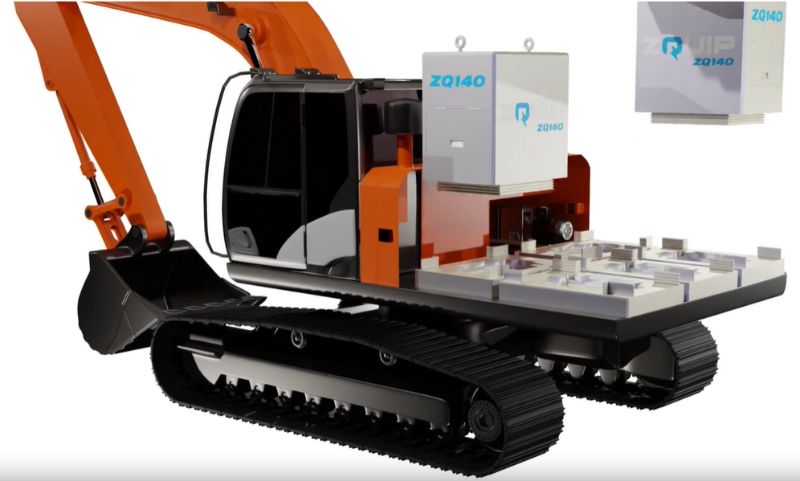
ZQuip converter and batteries installed in heavy equipment. Image courtesy of ZQuip
The ZQuip kit includes a battery harness, electric motor, AI-driven thermal management, and IoT connectivity for real-time monitoring. Initially demonstrated on a Caterpillar CAT 308 excavator, the system offers silent, zero-emissions performance, paving the way for efficient and sustainable construction practices.
Electric Vehicles for Snow Removal
Another form of heavy-duty vehicle is machines like snow blowers, which pose significant environmental challenges due to high emissions. In 2024, in collaboration with Chang Robotics and Roush, Kodiak Technologies developed a heavy-duty battery electric vehicle (BEV) and a series of hybrid electric vehicles (HEV) for snow removal.
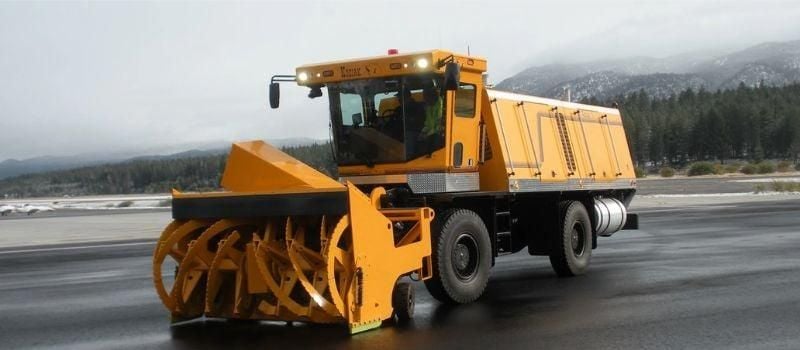
A hybrid snow blower. Image used courtesy of Kodiak Technologies
BEV relies on advanced battery and energy management systems, while the HEV allows for alternative fuels to ease adoption and address range and infrastructure limitations. In testing, these vehicles surpassed traditional diesel engines in power, moving up to 8,300 tons of snow per hour at 25 mph. Designed to be FAA-compliant and showcased at the FAA Snow Symposium, these models aim to revolutionize airport operations, with over 35 airports planning adoption by 2025, supported by federal incentives for sustainability.
Smart Electric Trucks
The logistics sector also faces significant challenges in reducing emissions from heavy-duty vehicles, particularly in urban ports with concentrated pollution. Nevoya addressed this by introducing a zero-emissions trucking platform featuring Freightliner eCascadia electric trucks.
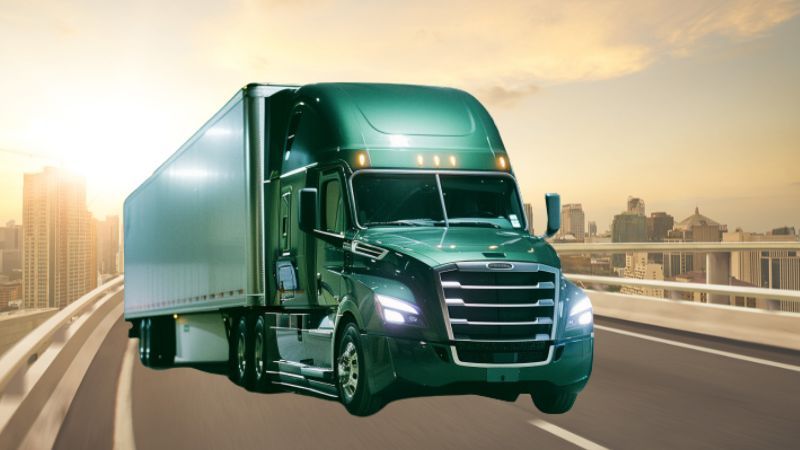
Nevoya’s electric truck. Adapted from Images used courtesy of Canva and Nevoya
These vehicles utilize electric drivetrains with up to 470 horsepower and a 250-mile range, which is more than suitable for short-haul operations. The platform integrates artificial intelligence to optimize routing, manage charging, and consolidate shipments. Additionally, Nevoya developed a proprietary charging infrastructure to ensure smooth operations and minimal downtimes.
Komatsu’s Electric Forklift Project
Some of the biggest hurdles for electrification are limitations in battery cost, safety, and resource availability. In 2024, Komatsu addressed these challenges by piloting a sodium-ion battery-powered forklift developed in collaboration with Shanghai Hirano Environment Technology and Jiangsu Highstar Battery Manufacturing.
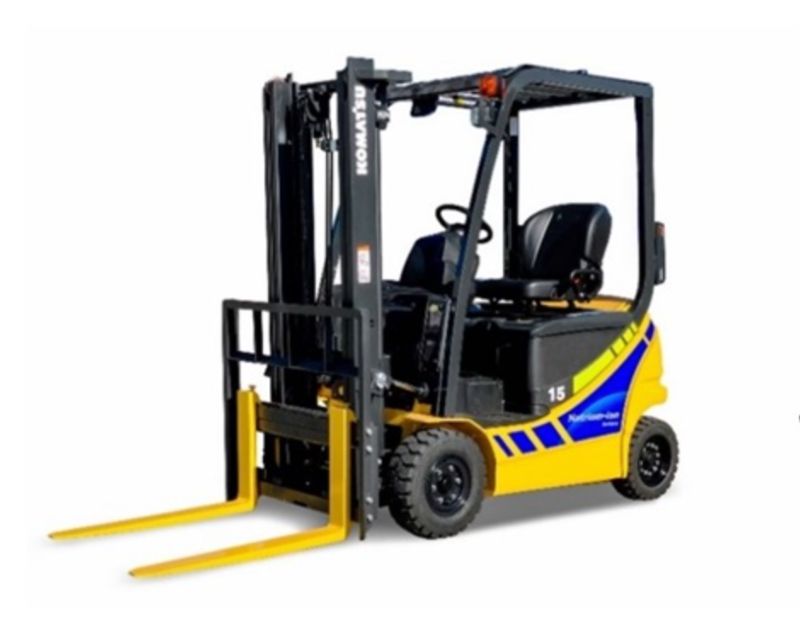
The sodium-ion battery-powered forklift. Adapted from images used courtesy of Canva and Komatsu
The sodium-ion battery offered advantages compared to lithium-ion alternatives, including greater abundance, lower cost, and improved safety. Komatsu's pilot program tested the new technology's performance with potential for mass production, aiming to provide a versatile and economically beneficial battery solution for material handling equipment. It targeted its 1.5-ton class electric forklifts.
Looking Forward
Federal and international sustainability targets in 2025 will likely catalyze further investment in infrastructure, such as charging networks and grid modernization, to support the growing fleet of electric heavy-duty vehicles. Developments in alternative battery chemistries and AI-driven energy management could address persistent challenges such as cost, range, and efficiency.