Facebook
 Google
 GitHub
 Linkedin
Artificial Intelligence Makes Electric Truck Operations Smart
Nevoya’s zero-emissions trucking platform combines EVs with AI to meet today’s challenges.
Heavy-duty vehicles have become a focal point in the battle against climate change. These vehicles generate considerable transportation emissions, emitting over 400 million metric tons of carbon dioxide yearly in the U.S. While many companies aim to decrease their carbon footprint and meet increasingly tight environmental regulations, the logistics industry has struggled to find viable alternatives that maintain operational efficiency without compromising delivery schedules or increasing costs.
In response to these challenges, the startup Nevoya has launched a zero-emissions trucking platform that combines electric vehicles with artificial intelligence optimization.
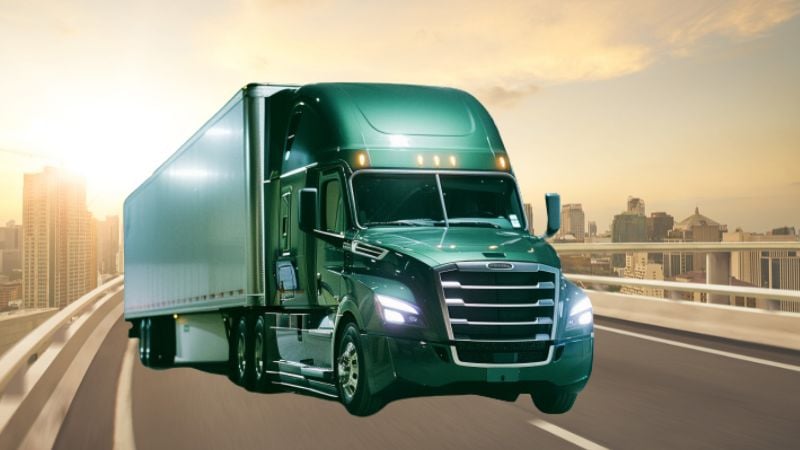
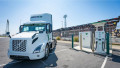
Electric truck. Image used courtesy of Nevoya
Why do Supply Chains Need a Zero-Emission Overhaul?
Heavy-duty vehicles play a central role in the economy, yet they disproportionately contribute to CO2 emissions. Though they account for only 10 percent of vehicles on the road, they produce over 25 percent of emissions in the transportation sector—already the largest contributor to global warming.
However, in high-throughput port environments, many businesses lack effective solutions to address these challenges without disrupting their operations. Most firms are hesitant to embrace electrification due to the business’ time-sensitive nature, uncertainties around costs, charging infrastructure, range anxiety, and overall reliability. Moreover, the logistics industry faces a significant hurdle in balancing operational costs with environmental responsibility, as diesel trucks remain substantially cheaper to operate than their electric alternatives.
For example, port cities like Los Angeles are bearing the brunt of the challenge, where the concentration of shipping activity creates localized pollution hotspots that significantly impact public health and environmental quality.
Nevoya Electric Trucks
Nevoya’s zero-emissions trucking platform utilizes Freightliner eCascadia electric trucks strategically designed for freight operations with major ports like those in Los Angeles. The company’s approach is to integrate advanced artificial intelligence to optimize the trucks' routing, usage, and charging cycles.
The eCascadia trucks are equipped with electric drivetrains, eliminating diesel dependency and drastically reducing particulate emissions. With power specifications of up to 470 horsepower and battery capacities enabling a range of approximately 250 miles per charge, these trucks are well-suited for short-haul and regional logistics.
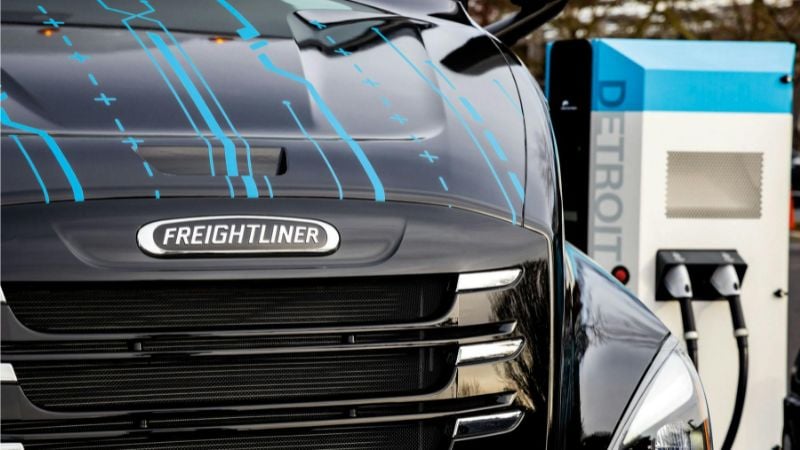
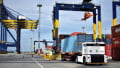
ECascadia electric truck. Image used courtesy of eCascadia
The integrated AI system continuously analyzes shipment volumes, customer schedules, traffic, and charging station availability to dynamically adjust routes and usage, minimizing idle time
and enhancing asset utilization. A unique feature of Nevoya’s system is its ability to consolidate loads across different shippers, where shared routes inform further opportunities to optimize delivery efficiency. The AI-driven infrastructure design supports current demand and scales as fleet size expands while maintaining low overhead and supporting the high turnover required in port operations.
Nevoya's infrastructure plan also includes developing proprietary charging stations in future phases to reduce dependency on public infrastructure. Ultimately, combining high-performance electric trucks with sophisticated AI optimization allows Nevoya to compete directly with diesel-powered alternatives in terms of cost and sustainability.
Looking Ahead
As more regions enforce strict emissions standards and companies commit to reducing Scope 3 emissions, platforms like Nevoya’s could meet compliance needs and serve as a model for integrating AI with sustainable transport solutions. Though Nevoya is still working to get to cost parity with diesel, the ability to balance cost-efficiency with environmental responsibility could drive similar systems across diverse industries.