Facebook
 Google
 GitHub
 Linkedin
Charge Qube Combines Modular EV Charging and Power Storage
The Fellten Group’s Charge Qube, an all-in-one charging or energy storage solution, can be rapidly deployed without permits.
As electric vehicles become more prevalent, it’s essential to develop an internal infrastructure to support longer-distance travel. “Red tape,” such as zoning requirements, permits, or limitations of power grid-constrained locations, often slows down the process.
To support electric vehicles or industrial power, the Fellten Group has developed a modular charging system to bypass the planning restrictions for charging stations. The Charge Qube is a rapidly deployable charging station for temporary or semi-permanent locations.
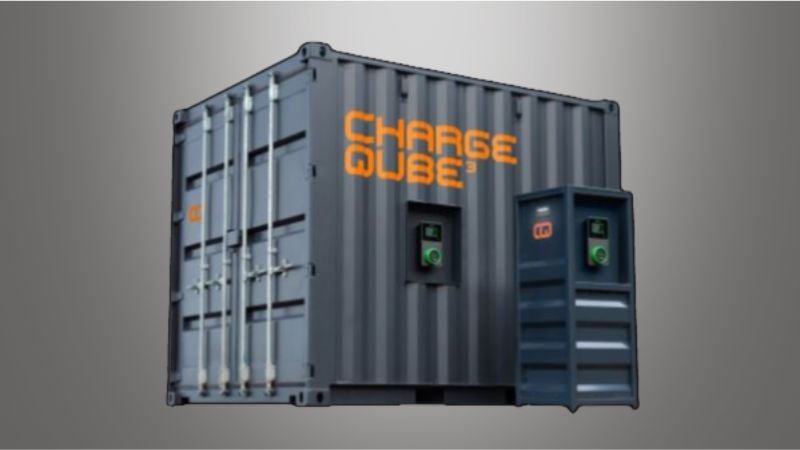
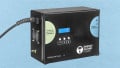
The Charge Qube is an all-in-one charging or energy storage solution. Image used courtesy of Fellten Group
How Is The Charge Qube Different From Other Power Solutions?
Since the Charge Qube was designed for rapid deployment, the Fellten group used 10-foot sea containers to house a combination of second-life electric vehicle battery technology with an advanced energy management system. This charging system provides a practical solution for dependable energy for businesses, public charging stations, or construction sites. With its modular design, the Charge Qube can integrate seamlessly into existing energy networks or function independently.
The Charge Qube comprises three main models: energy storage, Type 2 AC chargers, or combined charging system fast chargers. All models have configurations ranging from 150 kWh to 400 kWh, with daisy-chaining options to extend the charging capacity. They also come equipped with advanced battery management systems, fire suppression, R100.3-certified battery packs, and Starlink connectivity. The chargers can directly integrate solar panels or roof-mounted vertical wind turbines.
Models for Charging and Backup Power
The energy storage models were designed for industries needing emergency power to maintain critical systems. They may also provide power for temporary or remote locations or energy arbitrage to generate cost savings. These systems can integrate seamlessly into the local power grid for energy storage and supply and can provide immediate backup power during outages.
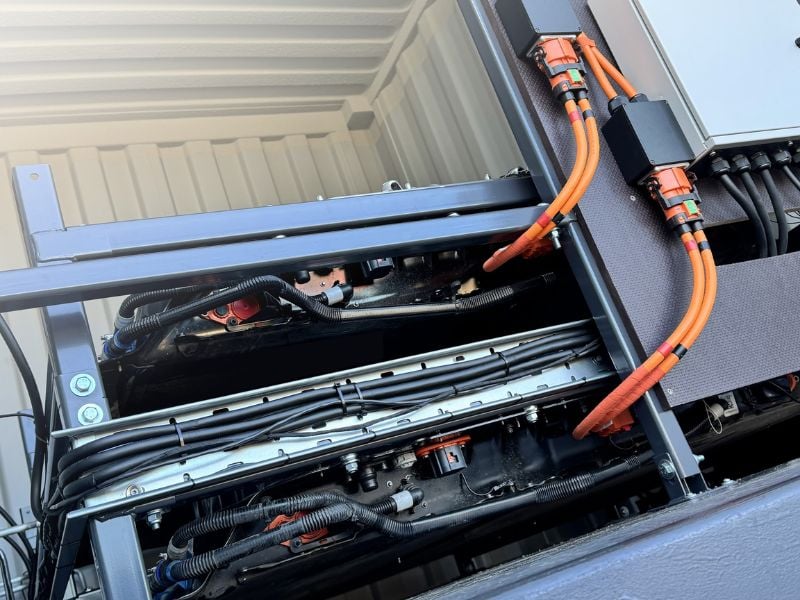
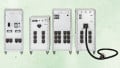
Inside the Charge Qube. Image used courtesy of Fellten Group
The Type 2 AC chargers were designed for fleet operators or businesses to provide a solution as a temporary or semi-permanent charging depot or the option of off-grid EV charging. These models are capable of providing up to 12 Type 2 AC charging ports with up to 7kWh at each port. These models prioritize overnight charging and can recharge the onboard battery pack in 6.5 hours. They have a built-in 22 kW charger for faster daytime charging.
The CCS Faster Chargers are more suited for public charging stations, special event charging stations, or businesses where vehicle up-time matters. These models have Dual CCS chargers that can deliver up to 150 KW at each port to ensure fast and efficient EV charging.
As the world shifts toward electric mobility, innovations like the Charge Qube are essential for addressing infrastructure challenges, such as expanding power grids to meet the growing demand for electric vehicles. By utilizing 10-foot and 20-foot conex containers, Charge Qube has created a rapidly deployable power station suitable for both urban and remote environments. This design allows companies to bypass the usual permissions required for deployment, making it a more sustainable solution to meet the needs of nearly any industry.