Facebook
 Google
 GitHub
 Linkedin
The Role of Backup Power: Keeping Critical Systems Up and Running
Essential industries depend on reliable backup power systems to keep operations running continuously.
Manufacturing, agriculture, and mining are foundational, providing essential goods and resources integral to modern society. As these sectors adopt advanced technologies to simplify and improve processes, their dependence on reliable and efficient power remains mission-critical.
These sectors' machinery, equipment, and digital technologies depend on uninterrupted and stable power systems to maintain operational safety and efficiency, even during power outages or fluctuations. Interruptions can result in downtime, significant costs, and safety risks.
Robust power infrastructure is crucial to running operations smoothly and becomes even more critical during severe weather or natural disasters. A vital component is backup power. It supports automation, operational continuity, and data processing in factories, farms, and mining facilities, helping to mitigate potential supply chain disruptions. Backup AC and DC power systems and batteries are crucial to ensuring consistent power remains flowing into the most critical applications to avoid disruptions that can occur before generator power is initiated.
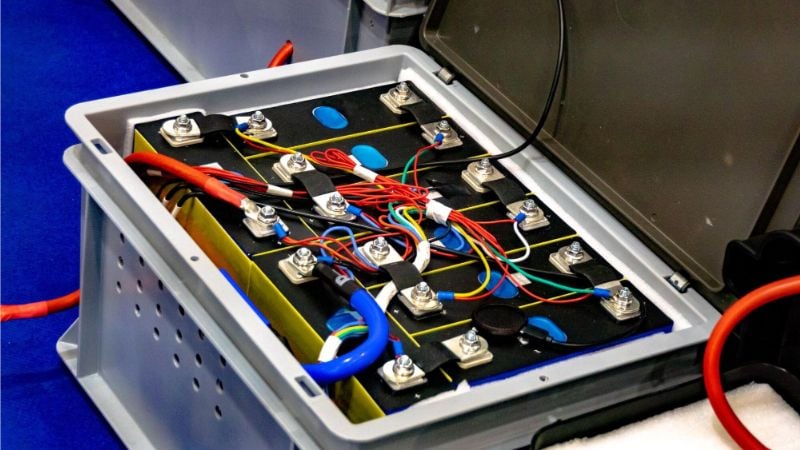
Uninterruptible and backup power systems. Image used courtesy of Adobe Stock
Modern Backup Power Systems
Critical power systems have evolved to include better harmonic profiles and improved compatibility with the high level of inductive loads in microgrids. High-efficiency switching regulators and solid-state transformers replace outdated power conversion systems using ferromagnetic conversion technologies. Further enhancements include replacing bulky, lead-acid batteries with compact, longer-lasting lithium-ion, nickel-metal hydride, and nickel-cadmium batteries.
Modern backup power systems offer high efficiency by rapidly switching on and off using metal-oxide-semiconductor field-effect transistors (MOSFET), insulated gate bipolar transistors (IGBT), or silicon carbide (SiC) and gallium nitride (GaN) power transistors. In compact, small-footprint systems, MOSFETs, IGBTs, and SiC and GaN power transistors can operate at high frequencies while generating low heat levels, making them safe and reliable backup power components.
While DC backup solutions are useful to provide power to equipment that runs on DC power, uninterruptible power supplies (UPS) can convert AC to DC power to maintain a continuous supply of energy during power fluctuations or outages. Battery eliminators can maintain uninterrupted power if backup power system batteries must be removed or replaced.
Operational Continuity in Manufacturing
Manufacturing operates on tight schedules with high-volume production lines, just-in-time delivery systems, and stringent quality control standards. Any power supply interruption can cause significant delays, product defects, and waste. Battery-powered backup systems help ensure that machines, infrastructure, and assembly lines remain operational without disruption.
In food processing, pharmaceuticals, and electronics manufacturing industries, power loss during critical processes such as temperature control, mixing, and curing can result in spoiled or defective products. Backup power systems allow manufacturers to control these processes even during power disruptions, preserving quality and safety.
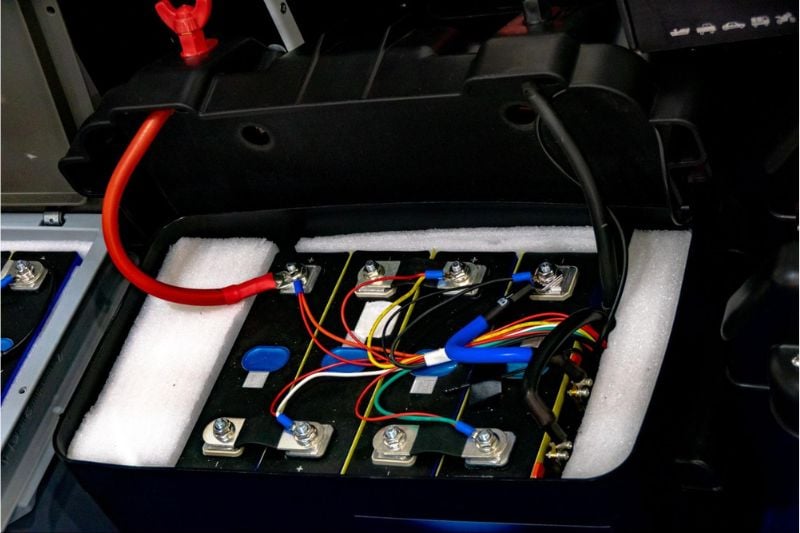
Uninterruptible and backup power systems. Image used courtesy of Adobe Stock
For manufacturers with global supply chains, a power outage can cause a ripple effect of delays down the line. UPS and battery backup systems provide essential short-term power to critical equipment such as computers, sensors, and control systems, thereby preventing or minimizing operational disruptions.
Constant, Reliable Power in Agriculture
In agriculture, operations depend heavily on timing and consistency, and power disruptions can significantly impact crop cultivation, livestock care, and water management. Even just a few seconds of downtime would impact high-volume agricultural commodities processing, especially those with continuous production processes in contrast to batch production processes.
Modern farms rely on a steady and reliable power supply, from irrigation and automated feeding systems to climate-controlled greenhouses. Power interruptions can disrupt these processes, resulting in crop damage and animal welfare concerns.
In greenhouses, backup power is essential to maintain regulated temperature and humidity, preventing crop losses due to environmental stress. Similarly, refrigeration systems in farm and food processing facilities require uninterrupted power to avoid spoilage and to ensure compliance with food safety standards, protecting perishable goods like produce, dairy, and meat.
Irrigation systems, often electrically powered, are crucial for crop yields, especially in water-scarce regions. Reliable backup power minimizes risks of crop failure due to power outages interrupting the water supply. Livestock farms also rely on backup power to keep automated feeding systems, ventilation, lighting, and climate controls running, especially in extreme weather conditions, supporting animal wellbeing and operational continuity.
Ensuring Safety and Productivity in Mining
Mining operations face unique challenges in maintaining a constant power supply as it is needed to run everything from underground ventilation and material handling equipment to heavy machinery and safety systems. A power loss in these environments can halt production and jeopardize worker safety.
Stable power supports critical systems such as emergency lighting, ventilation, and communications. A sudden loss of power in an underground mine can lead to hazardous conditions, including poor air quality, lack of visibility, and communication failure, all of which put workers at risk.
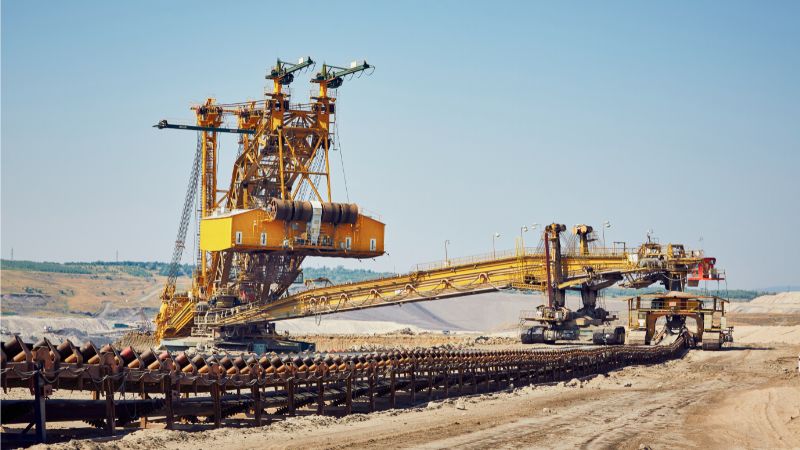
Mining operations. Image used courtesy of Adobe Stock
Ventilation systems, in particular, supply fresh air within mines and regulate gas levels. During power outages, reliable backup power systems help to prevent a build-up of toxic gases or oxygen depletion that could pose serious risks to workers. Given the demanding nature of mining, where production often occurs around the clock, dependable backup power that activates before generator power kicks in is table stakes for daily operations.
Backup Power Takeaways
The importance of backup power systems cannot be overstated for industries like manufacturing, agriculture, and mining. These sectors are essential to global economies, and their success depends on uninterrupted operations. Whether ensuring product quality, protecting valuable crops and livestock, or maintaining worker safety, backup power is vital to operational resilience and continuity.
Modern, reliable backup power solutions mitigate the risk of costly downtime and operational disruptions and enhance the reliability and safety of critical infrastructure. As these industries evolve and expand, the role of backup power systems will remain integral to their long-term success in providing the indispensable goods, services, and infrastructure essential to modern society.