Facebook
 Google
 GitHub
 Linkedin
Briefs: Data Centers and Energy Storage Lead Energy Innovations
Siemens, Reinhausen, Noon Energy, Sabanci Renewables, Arevon Energy, Airengy, and Nobian are working to meet the power and storage demands of AI data centers and support grid stability.
The energy industry must respond quickly to technological changes in generation, transmission, and consumption. AI data centers and increased energy demand are the latest challenges. Siemens and Maschinenfabrik Reinhausen are teaming up to develop a solid-state transformer for DC power to AI data centers, while Noon Energy and Sabanci Renewables are working together on reversible electrofuels battery systems to provide long-duration storage for data centers and local grids.
In California, Arevon Energy’s Nighthawk Energy storage project will provide 300 MW and 1,200 MWh of energy storage to stabilize the grid during peak demand. In Denmark, Airengy and Nobian are collaborating on a compressed-air storage facility in a salt cavern.
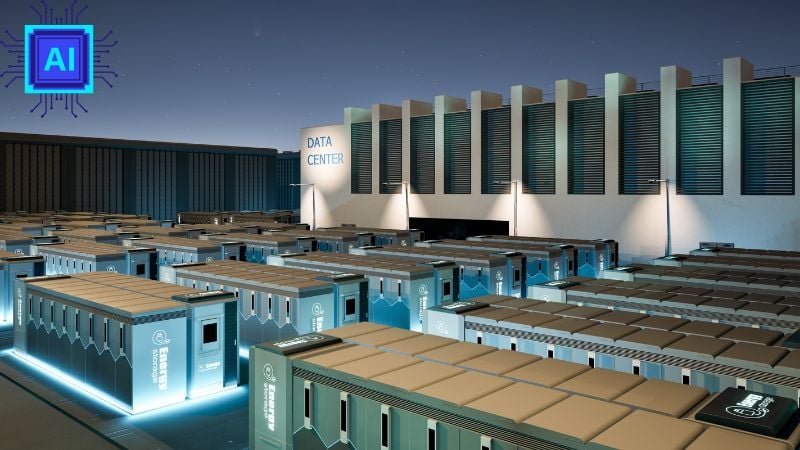
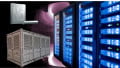
AI data centers and energy storage dominate advances in energy. Adapted from images used courtesy of Canva
Siemens and Reinhausen Partner for DC Power for AI Data Centers
Siemens and Maschinenfabrik Reinhausen are partnering to develop a solid-state transformer designed to deliver 800 V direct-current power directly to AI data centers. The modular system connects directly to grid voltages, reaching up to 36 kV, replacing traditional multistage AC-DC conversion steps.
The system replaces legacy power delivery systems with a galvanically isolated solid-state transformer architecture that can handle the high-density computing demands. Integrated medium-voltage power electronics respond to load oscillations within milliseconds, stabilizing power delivery during power swings typical during AI training. The stable DC output link ensures uninterrupted uptime without risking grid instability.
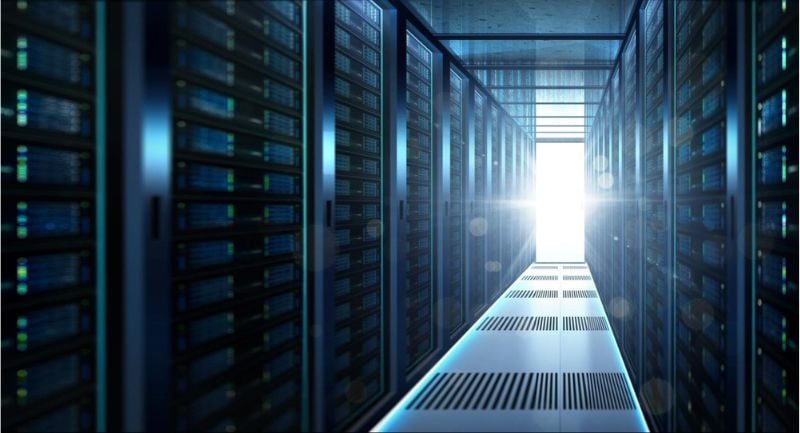
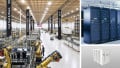
Data center. Image used courtesy of Adobe Stock
This modular solid-state transformer allows the system architecture to adapt and scale from grid voltages up to 36 kV down to lower voltage levels for varying grid-connection conditions. For operation in high-demand environments, the technology includes built-in protection, precise control loops, and grid integration features. Direct grid-to-rack DC power also removes extra conversion steps, saves space, cuts costs, and boosts efficiency.
In the agreement, Siemens will contribute power conversion, automation, and protection architectures, while Reinhausen will supply medium-voltage power electronics and voltage-regulation systems.
Noon Energy and Sabanci Develop Long-Duration Storage for AI Data Centers
Noon Energy and Sabanci Renewables are co-developing up to 1 GW of ultra-long-duration energy storage to supply AI data centers with continuous electricity.
The project combines reversible electrofuel battery systems with large-scale wind and solar farms to provide a constant supply of renewable power. A total capacity of 100 GWh keeps high-performance computing facilities running continuously without fossil fuel backups during long periods of low wind or solar generation.
The system uses Noon Energy’s reversible solid oxide fuel cell technology, which stores energy in chemical form using carbon and oxygen. It avoids reliance on scarce metal supply chains while providing over 100 hours of continuous power. Test systems have already run for more than 200 hours straight.
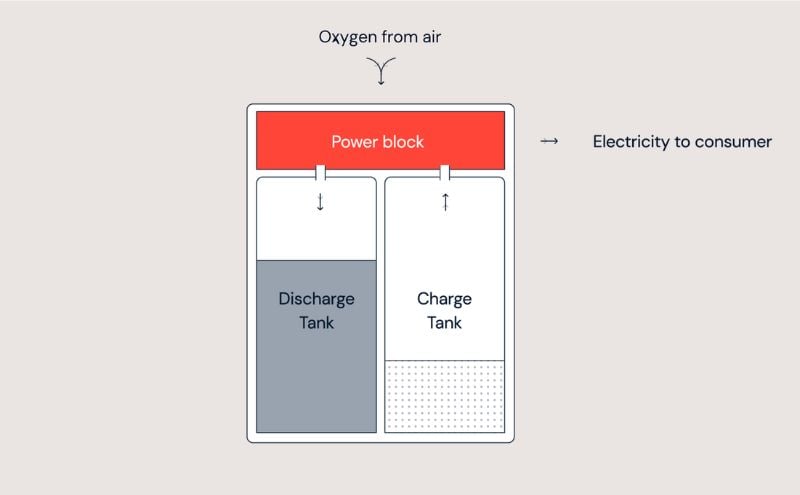
Reversible solid oxide fuel cell technology. Image used courtesy of Noon Energy
Sabanci Renewables plans to pair the storage hardware with its expanding U.S. generation portfolio. The firm currently operates 790 MW of direct-current solar infrastructure within the Texas ERCOT market. Sabanci Climate Ventures facilitated the strategic partnership as part of a broader corporate target to build 3 gigawatts of domestic renewable capacity over the next five years.
Commercial use will start in 2027 through power purchase or capacity offtake agreements.
California BESS Facility To Add 300 MW, 1200 MWh Storage
Arevon Energy has launched its 300-MW, 1,200-MWh Nighthawk Energy Storage Project in California to power up to 385,000 homes for four hours during peak demand. This standalone system fortifies energy grid stability near San Diego by filling power gaps when solar generation falls off in late afternoons.
The $600 million plant uses Tesla Megapack units powered by lithium iron phosphate battery chemistries. Choosing lithium iron phosphate over standard nickel-manganese-cobalt setups offers improved thermal safety, reduced fire risk, and longer cycling life for utility-scale plants. The site charges up with low-cost grid electricity during low demand periods and returns power when grid usage spikes.
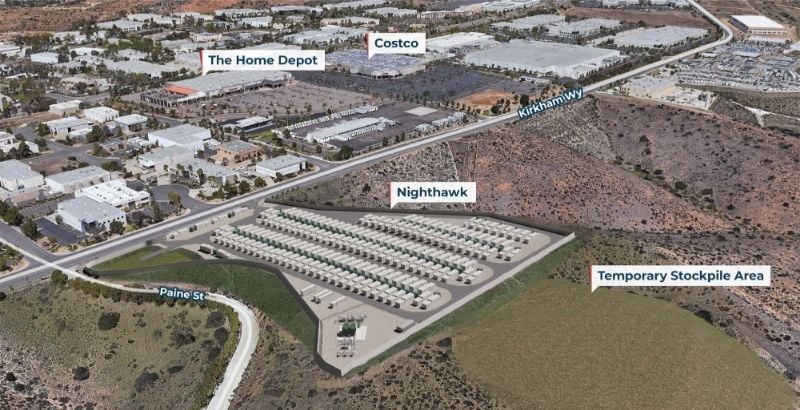
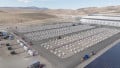
The Nighthawk Energy Storage project. Image used courtesy of Nighthawk Energy Storage
Pacific Gas and Electric Company will buy the output through a long-term contract. The project helps fulfill state rules requiring clean energy storage to replace fossil-fuel power plants.
Airengy and Nobian To Explore Compressed-Air Storage in Danish Salt Cavern
Israeli energy company Airengy and European chemicals producer Nobian have agreed to assess a compressed-air energy storage project using a salt cavern in Hvornum, Denmark. The potential facility could deliver long-duration energy storage capacity up to 2.5 GWh.
The project involves evaluating Airengy's proprietary AirBattery system for integration with Nobian's existing underground infrastructure. Under the agreement, Nobian will retain ownership and operational responsibility for the cavern while managing regulatory processes, stakeholder engagement, and community relations. Airengy will direct the design of the compression and generation systems.
The plant design targets a power output between 3 MW and 10 MW. The storage structure uses a narrow central pipe to restrict how fast air can flow out of the cavern. This constrains the physical volume of compressed air delivered. This setup allows the system to release power steadily for hundreds of hours rather than in short, intense bursts.
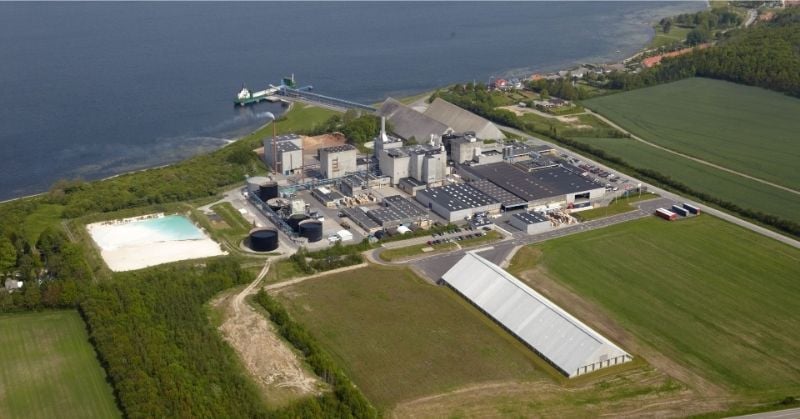
A salt production facility in Denmark. Image used courtesy of Nobian
The initial evaluation phase will run several months before moving to regulatory, planning, and stakeholder reviews. Nobian operates a fully electrified salt facility in nearby Mariager, which connects to the Hvornum cavern system.
Airengy is exploring similar long-duration storage platforms for energy-intensive sectors like data centers. The firm has executed comparable agreements for underground storage sites in Germany, Romania, and England.