Facebook
 Google
 GitHub
 Linkedin
Cool Tech: Data Centers Inspire Energy Storage Innovation
With energy storage demand growth comes challenges, and solutions lie in an unlikely source: data center innovation.
Energy storage is critical for building a low-carbon future and reducing dependence on fossil fuels. It supports renewable energy growth, electrification, and digitalization around the world. Energy storage is particularly important for widespread technology adoption, such as renewable energy generation and electric vehicle charging. Expanding hyperscale data centers to support the AI expansion will be critical. Because renewable energy sources cannot produce power on demand like legacy power generation technologies can, energy must be reliably stored in all these applications to bridge the gap between when it is generated and when people need it. Energy storage demand is growing, but with that growth comes challenges. To address some of these challenges, battery energy storage system designers, engineers, and manufacturers can learn from the innovations of another explosive industry: data centers.
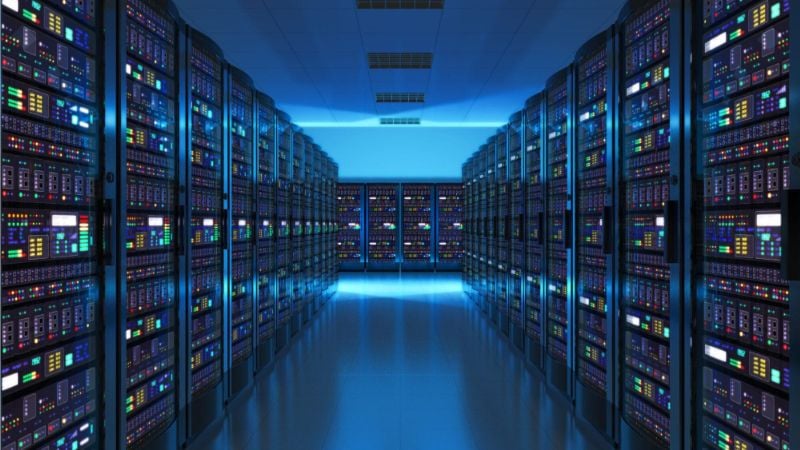
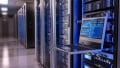
A data center server room. Image used courtesy of Adobe Stock
Bridging the Gap, Building Resilience
Battery energy storage systems help bridge the gap between energy generation and energy use by storing energy in batteries at a prescribed rate and time. This decouples generation time from the time of use and allows energy to be delivered when consumers need it. As battery energy storage technology improves, the utilization of renewable resources increases while improving grid reliability and price stability for consumers.
Battery energy storage improves grid resiliency. Every year, more systems, including vehicles, rely on electricity—this increased demand for electricity places strain on grid infrastructure. In addition to modernizing the electrical grid—an important project well underway—building more energy storage can help relieve pressure for grid operators. Battery energy storage systems can be connected to distributed energy resources like rooftop solar, reducing energy costs by using stored power when grid power is particularly expensive.
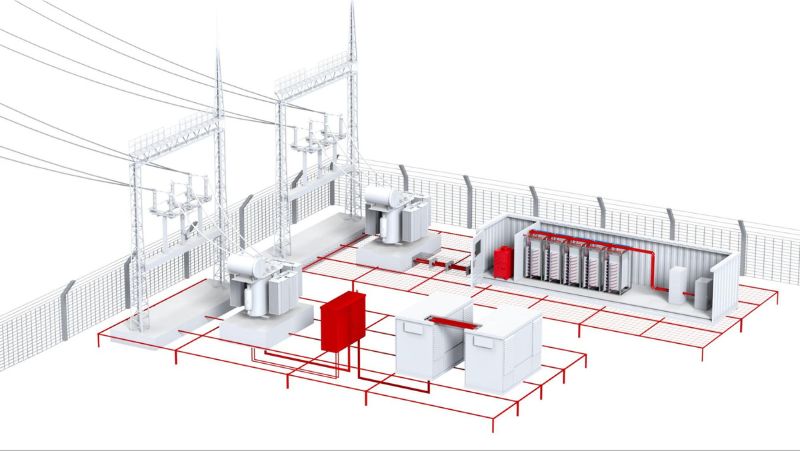
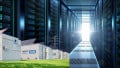
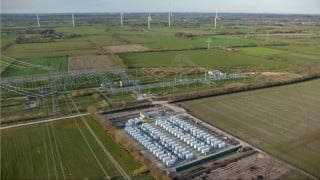
Energy storage can improve grid resilience and close the gap between renewable power generation and use. Image used courtesy of nVent
Increased Adoption, Reduced Footprint, More Heat?
Battery storage systems need to get smaller to meet the increasing need for energy storage. The International Renewable Energy Agency estimates 90 percent of electricity globally could come from renewables by 2050. This shift requires both renewable power generation and energy storage. As premium land for wind and solar availability decreases, power generation companies must prioritize using the available space to maximize renewable electricity generation. Every square foot spent storing energy instead of generating it represents lost profits and less electricity to power a sustainable future. Footprint reduction is also important for EV charging stations. As EV infrastructure expands, charging stations must limit their footprint to meet demand in congested cities and communities. This is especially true when installed alongside existing gas pumps without increasing real estate.
Battery technology is constantly improving; smaller and more powerful batteries are available yearly. This is an important piece of smaller energy storage installations, but it isn’t everything. Batteries generate a lot of heat, so the heat density of smaller installations can be significant with batteries placed closer and closer together to increase the system energy density. Keeping batteries at the right temperatures to maintain the safety and functionality of installations is critical. This is no easy task—luckily, there are lessons to be learned from other industries.
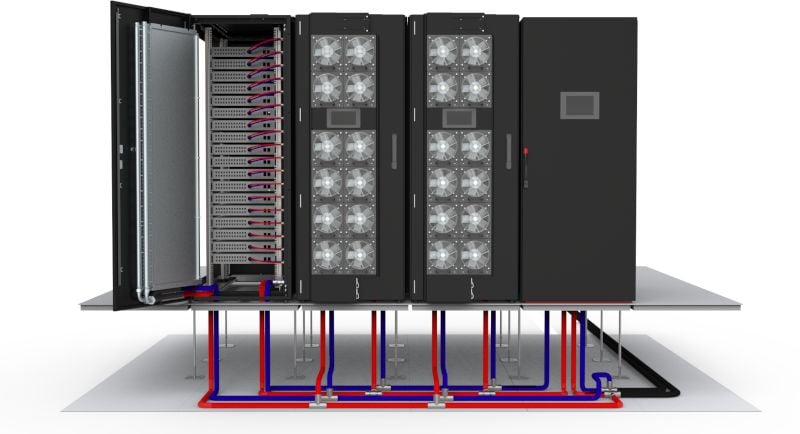
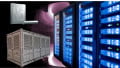
The data center industry has adopted liquid cooling technology to support next-generation high-performance computing, ranging from chilled liquid lines to supplement the performance of air-cooling methods to completely submerging equipment in nonconductive liquid. Image used courtesy of nVent
Data Centers and Cooling Innovation
The high-performance chips used in next-generation computing technologies like AI and machine learning (ML) use a lot of power to run and produce more heat than previous generations of chips. Data center managers must deal with these high heat loads while still being able to scale their operations to meet demand. Additionally, with the skyrocketing demand for AI, scaling up capabilities cannot depend on being able to acquire more physical space. The demand for data is passing the ability of the industry to build new data centers. In the same way that battery energy storage system manufacturers are trying to reduce the size and increase the power of their systems, data center managers and engineers often must solve the technical problem of fitting more and hotter servers into a limited space.
Traditionally, data center technology, much like energy storage technology, has relied on air cooling—cooling technology that relies on pushing or pulling cooled air through racks. However, next-generation chips and other AI infrastructure need more than traditional cooling methods to keep them from overheating. In many cases, air cooling systems simply cannot generate enough cooling power to meet the demands of next-generation IT. When air cooling systems work harder to maintain optimal temperatures, facilities can face equipment breakdowns, unexpected shutdowns, and exorbitant energy costs. For many data centers, liquid cooling technologies can offer better performance while reducing energy use and helping data centers operate more sustainably.
Liquid cooling involves a spectrum of technologies, from using chilled liquid lines to supplement the performance of air cooling to completely submerging equipment in nonconductive liquids. Liquid cooling is effective because liquid provides a much greater heat transfer capacity than air. It can also be pumped closer to the source of heat, capturing and transporting heat out of the system from the point at which it is generated. This helps liquid cooling increase power usage effectiveness, manage heat loads effectively, reduce energy costs, and contribute to environmental sustainability.
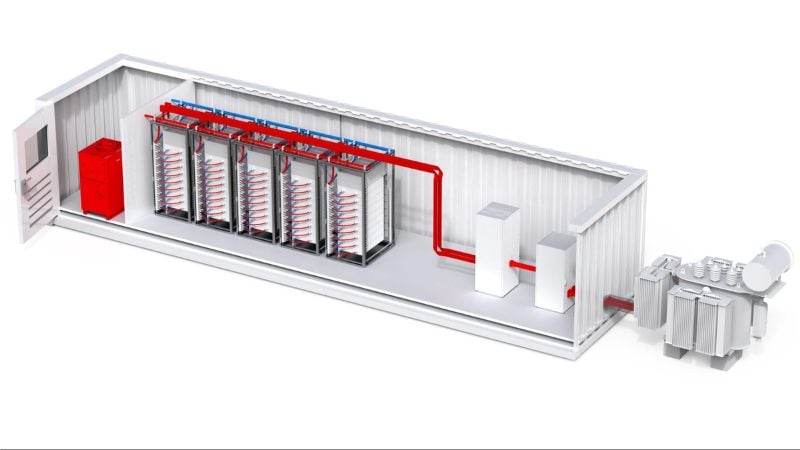
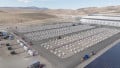
Rendering of an energy storage installation using liquid cooling technology to fit a large number of batteries within a shipping container installation. Image used courtesy of nVent
Benefits and Implementation of Energy Storage Applications
Liquid cooling works in energy storage applications by using a chiller to pump cooled fluid through the system in a closed loop, with precision control adjusting fluid temperature and flow rates to maximize efficiency. Hot or cold liquid circulates through hoses and manifolds to racks of batteries. Liquid is pumped through cooling lines to each battery and back to the chiller, where it is chilled and recirculated. The entire system is a completely closed loop, so risks of leaks or liquid coming into contact with electrical infrastructure are minimized. However, reliable liquid systems are a requirement to minimize the risk of leaks.
In the same way data center managers want to prioritize using power on computing instead of cooling infrastructure, battery energy storage system manufacturers want to reduce total cost of energy (TCOE). This represents the cost of an energy storage installation, including the supporting infrastructure. By increasing the cooling capacity and reliability of battery energy storage systems with liquid cooling, battery module manufacturers can fit more, higher energy-dense batteries closer together and increase the power capacity of their installations without extreme increases in energy cost. This is due to liquid cooling being much more efficient than air cooling. Since liquid cooling also provides better temperature management, it can also help extend the system's longevity, further decreasing the TCOE.
Effectively cooling battery energy storage installations will be important in designing clean energy systems that meet the demands of a more sustainable and electrified world. Borrowing and evolving technologies from the data center industry can help energy storage experts prepare for this future.