Facebook
 Google
 GitHub
 Linkedin
EV Workforce Crisis: Tackling the Shortage
As the U.S. faces a shortage of 35,000 electric vehicle technicians by 2028, TOPDON US and UTI are partnering to train students using advanced diagnostic tools.
The electric vehicle industry is at serious risk of long-term worker shortages. As experienced engineers and technicians retire, there are simply not enough trained professionals to replace them. Meanwhile, the demand for EV maintenance and repair specialists is growing as technical training programs fail to keep up.
To address this issue, TOPDON US has partnered with Universal Technical Institute (UTI) to provide students with hands-on experience using cutting-edge diagnostic tools, helping to develop the next generation of EV technicians.
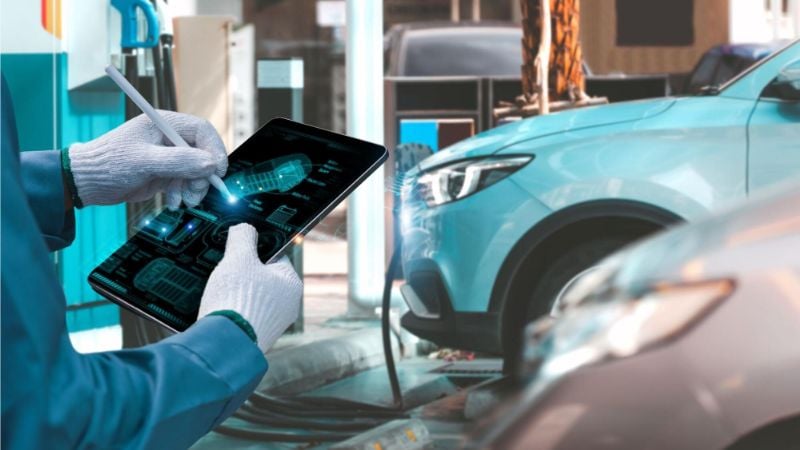
Working on an EV. Image used courtesy of Adobe Stock
The Growing Workforce Gap
The Bureau of Labor Statistics estimates the U.S. will need 35,000 additional EV technicians by 2028, yet existing training programs aren’t producing enough graduates to meet this demand. Unlike traditional gasoline-powered cars, EVs require specialized knowledge of high-voltage systems, battery management, and advanced driver-assistance systems (ADAS). Many of the industry’s most experienced professionals are nearing retirement, leaving a skills gap that threatens to slow EV adoption and strain service centers.
TOPDON, a leader in automotive diagnostic tools, is addressing this challenge through its TOP-UP Initiative, which supports vocational training programs. Its five-year partnership with UTI provides students access to professional-grade tools like the Phoenix Max diagnostic scanner and Tornado120000 power supply. These tools allow students to gain real-world experience diagnosing and repairing EVs, making them more prepared for the workforce.
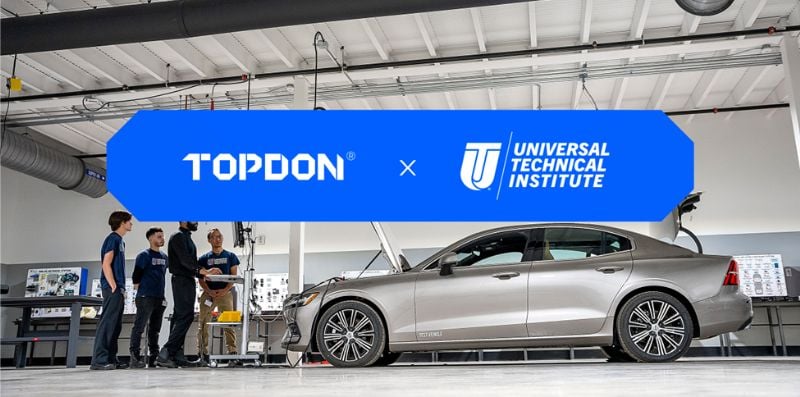
TOPDON’s partnership will initially support UTI’s EV training curriculum. Image used courtesy of TOPDON
UTI, one of the first trade schools to offer a dedicated EV repair curriculum, is rolling out training programs across multiple campuses, starting with Rancho Cucamonga, Sacramento, and Long Beach. The program integrates TOPDON’s tools into lessons on high-voltage battery diagnostics, charging system troubleshooting, and ADAS calibration.
Other Industry Efforts to Bridge the Gap
While the TOPDON-UTI partnership is a step in the right direction, the industry needs more large-scale training initiatives to meet demand. Several companies and schools are offering EV-specific training programs.
One notable example is the Tesla START Program, a 12-week course that trains students in Tesla service centers. Many graduates are hired directly by the company, ensuring a steady pipeline of skilled technicians familiar with Tesla’s technology.
Ford’s ASSET Program and GM’s ASEP Program both integrate EV training into community colleges, allowing students to earn an associate degree and gain hands-on experience at Ford and GM dealerships, preparing them for service roles in the growing EV market.
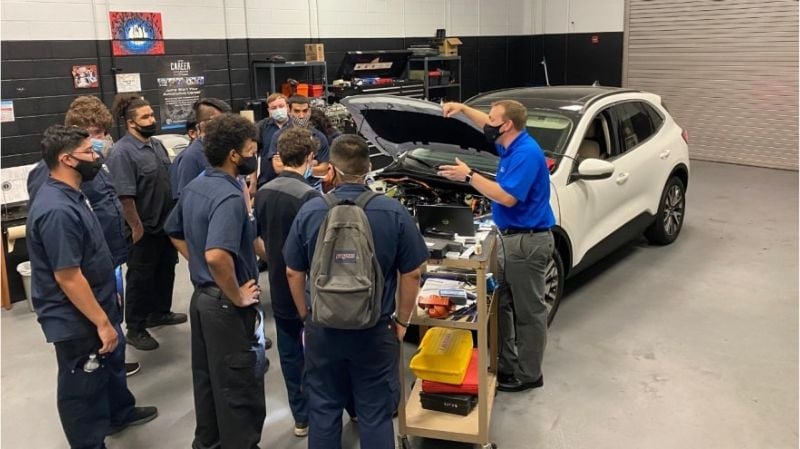
The Ford ASSET program. Image used courtesy of Ford
Rivian’s Technician Training Program is another initiative aimed at developing a specialized workforce for the company’s expanding EV service network. With Rivian’s direct-to-consumer sales model, trained technicians are essential to maintaining and repairing their vehicles.
These programs are critical to preparing the next generation of EV technicians. However, more industry-wide investment in education and workforce development is needed to keep up with the rapid pace of electrification.
The Road Ahead
Without enough trained professionals, the EV industry faces a potential bottleneck that could slow growth and frustrate drivers. More companies must invest in workforce development to ensure a steady pipeline of skilled technicians. Programs like the TOPDON-UTI initiative are critical to closing the skills gap, but broader efforts are needed across the industry.
For students and workers considering a career shift, now is the time to enter the EV field. As automakers invest in electrification, those with the right skills will be in high demand. With the right training, the next generation of technicians will be ready to take the wheel as the industry moves toward an all-electric future.