Facebook
 Google
 GitHub
 Linkedin
Schneider Intros Smart 11.5 kW Home EV Charger with Load Management
The new Level 2 residential EV charger features SmartAmp dynamic load management, enabling 11.5 kW charging without requiring costly home electrical service upgrades.
Schneider Electric has introduced a new Level 2 residential electric vehicle (EV) charger within its home energy management portfolio, marking a significant step in simplifying home electrification. The primary advancement of the Schneider Charge is its integrated load management technology, which allows it to dynamically adjust charging speeds and operate safely without exceeding existing household electrical capacities.

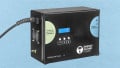
Schneider Charge is a Level 2 residential EV charger.
Many traditional residential electrical systems were not originally designed to handle the continuous, high-power demand of EV charging. Pushing this capacity often requires homeowners to undertake significant electrical projects, with service panel upgrades typically costing between $2,000 and $6,500 depending on installation requirements. By mitigating these requirements, the Schneider Charge allows users to add safe, reliable Level 2 charging while avoiding costly electrical overhauls.
To learn more about Schneider Charge, I was pleased to speak to Shawn Bonacorsi, Head of Electrification Solutions, Schneider Electric, North America Operations. In this article, first we’ll cover the features, benefits, specifications of the charger. And after that, we’ll get into my Q&A with Shawn.
Dynamic Load Management and SmartAmp Technology
The core of this load-balancing capability is Schneider Electric's SmartAmp technology. Utilizing included current transformers, the charger continuously monitors a household's electrical usage in real time. When other major home appliances draw power, the EV charger automatically dials back its charging speed to prevent electrical overloads.

SmartAmp technology automatically adjusts charging speed according to your home’s electrical load.
All necessary hardware for this dynamic load management is included in the package, eliminating the need for independent monitoring devices or gateway systems. The system can also maintain its load management adjustments independently, even when Wi-Fi connectivity is unavailable.
Schneider Charge pairs built-in load management with installation support through Qmerit, a home EV charger installation and electrification services provider. Schneider Electric and Qmerit work together to help homeowners navigate the home charging process from charger selection to professional installation.
Power Architecture and Drop-In Compatibility
In addition to its load-balancing features, the Schneider Charge delivers up to 11,500 W of nominal output power, operating at a maximum supply current of 48 A on a 208 to 240 V AC (60 Hz) supply. The EVRBA48ANAMJ1772 model is equipped with an SAE J1772 connector and features a 25-foot cable, providing flexibility for vehicle placement. Schneider Electric also noted that J3400 (NACS) connector options are available to support a diverse range of current and future EVs.
A critical engineering benefit of the new module is the integration of load management directly into the hardware, which simplifies the process for installing electricians and contractors. Company leadership emphasized that built-in load management removes significant installation hurdles, making the process more efficient and drastically less disruptive for homeowners. The device is an ENERGY STAR and UL-certified system, maintaining compliance with UL 3141 to support managed-load installations where approved by the local authority having jurisdiction (AHJ).
Streamlining Installation and Environmental Durability
The physical charger is designed for wall-mounted, hardwired residential installations, though a plug-in version is slated for introduction in early 2027. It features a compact footprint, measuring 15.4 inches high, 6.83 inches wide, and 4.06 inches deep, with a net weight of 12.8 pounds.
The charger maintains a Type 4 NEMA degree of protection, ensuring robust environmental shielding. It is rated for operation in ambient air temperatures ranging from -22°F to 122°F (-30°C to 50°C), and can be stored in temperatures as extreme as -58°F to 158°F (-50°C to 70°C). More detailed technical specifications and environmental data can be found in the Schneider Charge data sheet.
Smart Connectivity and Future-Ready Integration
The company says that the Schneider Charge opens up new possibilities for smart home integration and future grid management. It utilizes Wi-Fi communication networks and supports the OCPP 1.6 protocol, positioning the charger to seamlessly participate in future grid service programs.

Users can connect to the charger via the Schneider Charge smartphone app.
Homeowners can interface with the charger through the Schneider Charge smartphone app. The smart app enables users to track their charging status in real time, modify system settings, and configure charging schedules to capitalize on lower energy rates.
This residential hardware expands Schneider Electric’s broader EV charging portfolio, complementing the Schneider Charge Pro unit designed for commercial applications such as workplaces, fleets, and multi-unit dwellings.
Q&A Interview with Schneider Electric’ Shawn Bonacorsi
Jeff Child, EEPower: What do you see as the important technology trends today for home EV chargers? When I say “trends” I mean: “how have things changed in the past couple years?”
Shawn Bonacorsi, Schneider Electric: The most pronounced shift we’re seeing over the last few years is that home EV charging is advancing beyond simply delivering power to the vehicle. As EV adoption has grown, we’ve started to see the home electrical system itself become a bigger part of the conversation. Many EV consumers don’t realize that their existing homes weren’t designed around the combination of an EV charger and other high-power electric technology products they’re using, so electricians and homeowners have had to manage the challenge of adding charging without overloading the home’s available electrical capacity.
That’s driving several important trends. First, intelligent load management, such as the SmartAmp technology in Schneider Charge, is becoming increasingly important. Chargers need to be able to respond to what else is happening in the home rather than simply drawing a fixed amount of power, or else it can significantly limit the charger’s ability to charge the EV efficiently or at its full capacity.
Second, we’re seeing a greater emphasis on simplifying installation, because the best charging technology in the world doesn’t help if installing it requires significant additional equipment or an expensive electrical upgrade.
We’re also seeing a growing focus on helping electricians complete more Level 2 charging installations efficiently. As EV adoption grows, electricians are encountering more homes where available electrical capacity can be a challenge. Solutions that reduce installation complexity, minimize additional equipment and help address those capacity constraints are becoming increasingly important because they can help keep projects moving while still delivering the Level 2 charging experience homeowners expect.
And third, consumers increasingly expect chargers to be connected and intelligent, with features such as scheduling, monitoring and control through an app.
So, I think the category is evolving from “how fast can I charge my car?” to the broader question of “how intelligently can my charger work within my home?” That’s where we see the industry going, and it’s a major reason we developed Schneider Charge around integrated load management.
Child: What’s significant and unique about the new charger’s SmartAmp feature?
Bonacorsi:What makes SmartAmp significant is that load management is built directly into the charger, rather than requiring separate monitoring equipment or additional hardware to be installed alongside it.
Schneider Electric’s SmartAmp continuously monitors the home’s electrical demand and automatically adjusts the EV’s charging output as the household’s power needs change. So, for example, when other major electrical loads in the home are operating, Charge can respond in real time rather than simply pulling a fixed amount of power. And importantly, that load management happens even when Wi-Fi isn’t available.
The real innovation from an installation standpoint is integration. With other load management technology, an electrician may need to install separate monitoring equipment. With Schneider Charge, the current transformers are included and the load management capability is built directly into the charger.
That can make a meaningful difference for both the electrician and the homeowner because it’ll reduce the amount of additional equipment and complexity involved in an installation and, where the electrical conditions allow, help support Level 2 charging within the home's existing electrical capacity rather than triggering a service or panel upgrade.
Child: Can you explain what’s important about the various standard compliances of this product?
Bonacorsi:Standards compliance is important because EV charging sits at the intersection of the vehicle, the charger and the home’s electrical system. In designing Charge for the consumer market, it was a priority for us to make sure those pieces work together safely, reliably and predictably.
For Schneider Charge, one important piece is UL 3141, which supports managed-load installations and load calculations where accepted by the local authority having jurisdiction. That’s particularly relevant to SmartAmp because the product is designed to actively manage the charger’s electrical load based on what is happening elsewhere in the home.
Charge is also OCPP 1.6 compliant which is important from a connectivity and future readiness perspective. It provides a foundation for supporting future grid service programs as the relationship between EVs, chargers and the broader electrical grid continues to evolve.
In terms of supporting the EV itself, Schneider Charge is available with both NACS and J1772 connector options, giving homeowners compatibility with the two major charging connector standards they’re likely to encounter in the market or already are using with their existing charger.
Child: Why is Schneider Charge important for electricians and contractors?
Bonacorsi:When we talk with electricians, one of the biggest things we hear is that EV charging projects aren’t always as straightforward as people think. A homeowner buys an EV, wants Level 2 charging, and then the electrician has to figure out whether the home’s electrical service can support it.
In some cases, that can lead to additional equipment, more design work or conversations about service and panel upgrades. Those are real challenges that electricians navigate every day.
What we wanted to do with Schneider Charge was make that process simpler. By building SmartAmp load management directly into the charger and including the current transformers in the box, we're helping reduce the amount of additional equipment that may be needed and giving electricians a solution that's designed around the realities of residential installations.
At the end of the day, electricians want products that are reliable, straightforward to install and backed by a brand they trust. That’s really the role Schneider Charge plays. It’s designed to help electricians complete more charging installations efficiently while still delivering the Level 2 charging experience homeowners expect.
And for contractors working across both residential and commercial projects, Schneider Charge and Schneider Charge Pro give them solutions for both sides of the market, as part of a brand they’ve worked with for years: Square D.
All images used courtesy of Schneider Electric.