Facebook
 Google
 GitHub
 Linkedin
Renewable Energy to Power AI Data Center Near Amazon River
The AI computing facility in northern Brazil, powered by 100% renewable energy, is expected to be operational in mid-2027.
Elea Data Centers and AXIA Energia are set to open the first artificial intelligence (AI)- focused, carrier-neutral data center in Brazil’s Amazon region. BEL1 will be Elea's 10th data center in South America and is expected to launch in the second quarter of 2027 with 7.5 MW of capacity, with plans to scale up to 100 MW as demand increases.
Elea, one of Brazil's largest carrier-neutral data center operators, powers its facilities with renewable electricity sourced from hydroelectric, wind, and solar generation. Under the partnership, AXIA Energia will supply BEL1 with 100% renewable power. The data center will also be built adjacent to AXIA's Miramar high-voltage substation, providing direct access to the transmission network while minimizing transmission and distribution losses.
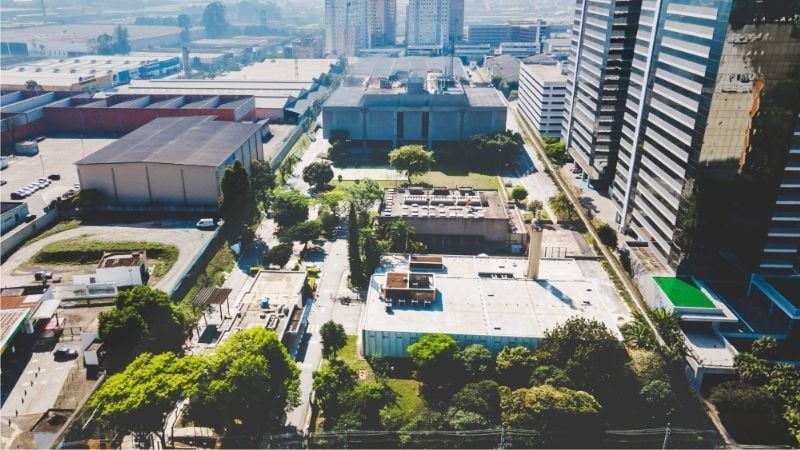
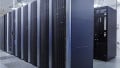
An Elea data center in Brazil. Image used courtesy of Elea
Commitment to Eco-Friendly Infrastructure
As demand for AI computing continues to grow, data centers are facing increasing scrutiny over their environmental impacts, particularly their electricity consumption and water use for cooling. As a result, developers are placing greater emphasis on improving energy efficiency, reducing water consumption, and sourcing low-carbon electricity.
Elea stated that sustainability is a core component of its data center strategy. The company reported that its facilities are powered by 100% renewable electricity and are designed to achieve low Power Usage Effectiveness (PUE) and Water Usage Effectiveness (WUE), two industry metrics used to measure energy and water efficiency.
An on-site high-voltage substation and land bank are also planned for the data center. This allows the facility to accept high-density demand directly from the grid, maximizing power stability and minimizing grid losses. Ela’s São Bernardo do Campo campus uses a similar infrastructure setup.
Company-wide, Elea aims to maintain a PUE lower than 1.5 across all its operations. Its WUE goal for 2026 is to achieve 0.2 liters per kWh and reduce it to 0.18 liters per kWh by the end of 2026.
Elea also says its facilities are designed and constructed to meet sustainability standards, including LEED and ISO certifications.

Belém’s location. Image used courtesy of Elea
Since BEL1 will be located within the Amazon River watershed, its environmental performance will likely receive added attention. While the project is intended to support digital infrastructure in the region, its long-term sustainability will depend not only on its renewable energy supply but also on how effectively it manages water use, minimizes impacts on the surrounding ecosystem, and operates alongside one of the world's most ecologically significant landscapes.
Northern Expansion
BEL1 is planned for Belém, the capital of Pará state in northern Brazil, situated on the eastern edge of the Amazon rainforest and watershed. According to Elea CEO and founder Alessandro Lombardi, the location was strategically selected to expand the company's geographic footprint into a historically underserved market.
_in_Brazil.jpg)
A map of Elea’s data centers (operational and planned) in Brazil. Image used courtesy of Elea
By establishing this facility, the company aims to significantly strengthen the region's digital infrastructure. This expansion is intended to bridge the digital divide, addressing long-standing disparities in access to advanced online services outside of Brazil's traditional technology hubs.
Expanding Connectivity
The city provides an alternative route to Fortaleza, Brazil's primary landing point for submarine cables, helping diversify the country's network infrastructure and improve resilience. Belém is also connected to the Northern region's fiber network through the Norte Conectado (Connected North) program and is expected to benefit from the expansion of coastal fiber routes linking South America with Europe.
The company said the investment will help reduce digital inequality by improving access to digital infrastructure in the region while enhancing its competitiveness within Brazil's growing digital economy.