Facebook
 Google
 GitHub
 Linkedin
Growing Pains: Dynamic Power Management To Ease Smart Grid Overload
Grid company Norgesnett and energy optimization company Volue will leverage smart grid capabilities to incentivize customer power consumption at surplus times to avoid grid overload.
In the unprecedented race toward renewable energy solutions, it is easy to forget the significant impact these technologies will have on the power grid. This impact might prove impossible to manage in some places without significant grid expansion projects. But what if the power demands from sources like electric vehicles (EVs) could be mitigated without having to finance costly grid infrastructure development?
The answer could lie in smart grid technology that can more carefully manage power supply and demand. The technology could capitalize on surpluses and cooperate with energy consumers to avoid taxing the existing grid resources beyond their limits. A partnership in Norway between Norgesnett and Volue will deploy smart grid technology to financially incentivize customers to consume during certain periods and use sophisticated prediction data to head off grid bottlenecks before they become dangerous.
.jpg)
Smart grid. Image used courtesy of Adobe Stock
EV Loads Create Grid Demand Challenges
Before considering intelligent grid management’s benefits and solutions, it is critical to understand the hyper-localized challenges, which depend on myriad regional factors and some more obvious general principles. One fundamental dynamic is that renewable energy and customer demand are often disjointed in hourly availability.
For example, solar energy surpluses are created during sunlight hours, but most consumers charge their EVs at night for their commute the next day. Nighttime charging has been cheaper because of lower general utility use overnight, but as countless consumers become EV owners, electricity demand could suddenly surge every night.
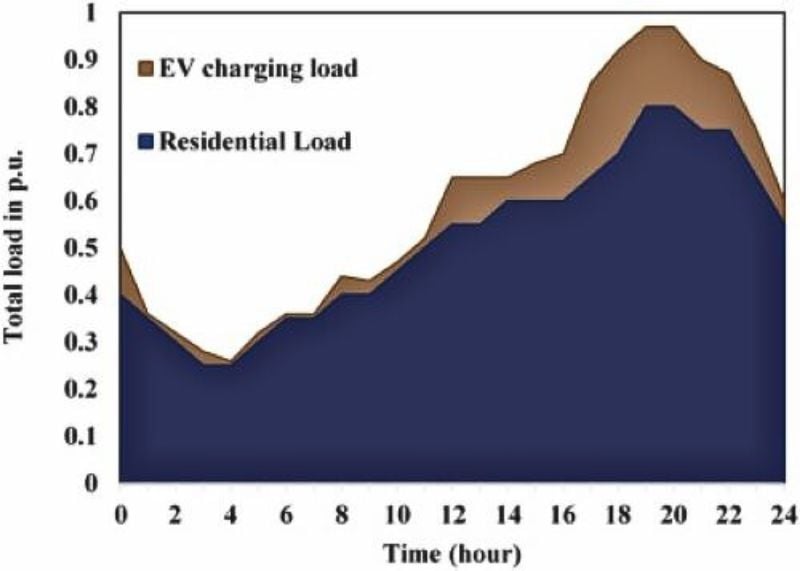
Nighttime EV charging surge in an uncoordinated charging scheme. Image used courtesy of ScienceDirect
Approximately 3.3 million EVs are currently on the road. However, with government mandates and quickly turning cultural tides concerning EV ownership, the number will balloon in the coming decades. Some projections estimate up to 90 million EVs could be in use by 2040. The resulting grid pressure must be managed carefully, or certain localities will face power bottlenecks causing blackouts, interrupting service, and compromising grid reliability.
Studies indicate the current annual EV load of 24,000 GWh could exceed 468,000 GWh by 2040, a 1,850% increase. Without adequate planning, the grid cannot accommodate such growth.
Smart Grid Data and Preserving Grid Reliability
Norgesnett is pioneering smart grid data to forecast specific local demands to incentivize and balance consumer electricity use. This innovation would not be possible without smart grid technology, which will prove critical in this next energy growth phase.
The company has already established the system in 160 neighborhoods in Norway and plans to expand across Europe. Participating consumers will see lower electricity bills.
Multiple solutions must be sought to manage utility load, and smart grid data will help provide this strategy. Experts suggest that in California alone, $20 billion is needed to cover power grid updates. Worldwide, renovating and expanding the current grid could total billions.
With smart grid tech like Norgesnett’s, utility companies can generate and manage big data to balance supply and demand across local regions. Big data can also help utilities fully use existing infrastructure.
One historic success in using advanced smart grid technology to manage power and maximize infrastructure was executed by Burbank Water and Power. The company used its smart grid with sensors and software to phase balance the local communities’ electricity needs and map out stressed transformers and those with excess power supply.
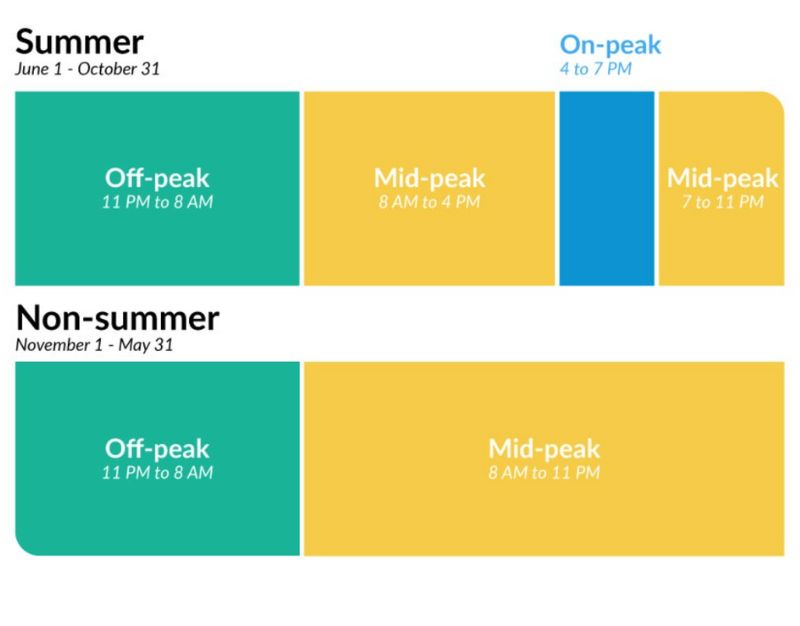
Burbank Water and Power uses smart grid technology to identify peak and off-peak EV charging times. Image used courtesy of Burbank Power
The utility used smart grid data to create a “big picture” showing the local power infrastructure’s strengths and weaknesses. Burbank could then shuffle existing components to meet precisely mapped local needs. The company rearranged transformer placement to balance local resources, which smart grid data accurately captured. This strategy allowed them to minimize purchasing new transformers.
Norgesnett’s smart grid will also provide incentive structures for customers. Smart grids can help utility companies manage infrastructure and even out demand phases throughout the day. They can also bring more savings directly to the consumer, who will actively play a role in balancing the local grid by charging EVs during downtimes.
This intelligent grid management will make the looming EV load manageable at the local level. It will also help preserve and protect existing infrastructure while upgrades catch up to the lightning speed of the collective energy transition.