Facebook
 Google
 GitHub
 Linkedin
Global Efforts Push for a Nuclear Fusion Future
What progress are countries worldwide making in developing nuclear fusion?
Nuclear fusion continues to generate headlines and attract government and private industry funding worldwide in an effort to meet the promise of nearly unlimited clean energy production.
Significant progress has been made, but the practical application of a fusion reactor to produce commercial electricity is still more than a decade (or more) away. Success in developing practical nuclear fusion will likely depend on international cooperation among a range of players.
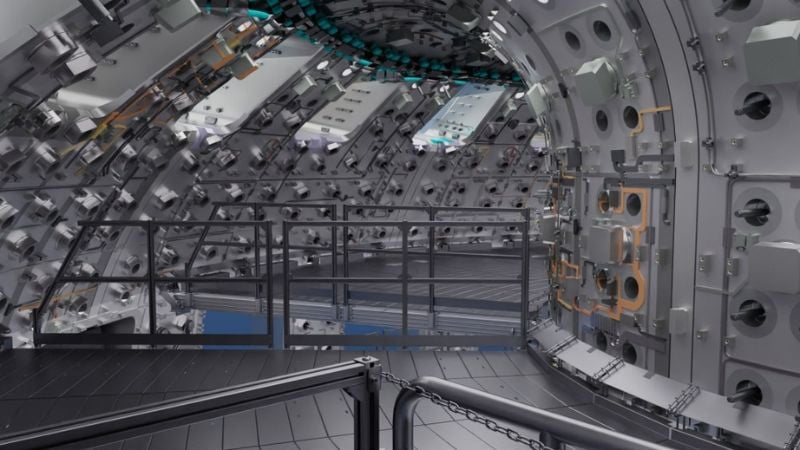
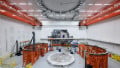
Fusion chamber. Image used courtesy of ITER
Nuclear Fusion
With nuclear fusion, two light atomic hydrogen isotope nuclei combine as a single heavier nucleus of helium, releasing a lot of energy. This is the same reaction powering the Sun and other stars, and predictably, it is difficult to create and contain the conditions present in the sun here on Earth.
Fusion requires temperatures of around 100 million °C to overcome the electrostatic repulsion between positively charged nuclei. Maintaining high pressure is crucial in increasing the chances of fusion reactions occurring. Confining the superheated plasma that forms is a major challenge. Typically, it is accomplished using powerful magnetic fields to contain the plasma in devices like tokamaks or by using inertial confinement, which is accomplished by rapidly compressing fusion fuel using lasers or other methods. Developing materials that can withstand extreme temperatures, intense neutron bombardment, and radiation damage is crucial.
International Fusion Cooperation
The International Thermonuclear Experimental Reactor (ITER) in southern France is a collaborative effort involving China, the EU, India, Japan, Korea, Russia, and the United States, along with additional partners (Australia, Canada, Kazakhstan, and Thailand) through cooperation agreements working together to develop a working nuclear fusion reactor.
The project's costs and benefits are shared among the participating members, with Europe contributing the largest portion (45.6 percent) as the host and the other six main members each contributing 9.1 percent.
ITER, the world's largest tokamak, is a magnetic fusion device that aims to prove fusion as a large-scale, carbon-free energy source. Soviet General Secretary Gorbachev proposed the idea to U.S. President Reagan at the Geneva Superpower Summit in 1985. In 1986, the European Union (Euratom), Japan, the USSR, and the U.S. agreed to pursue designing a large international fusion facility together.
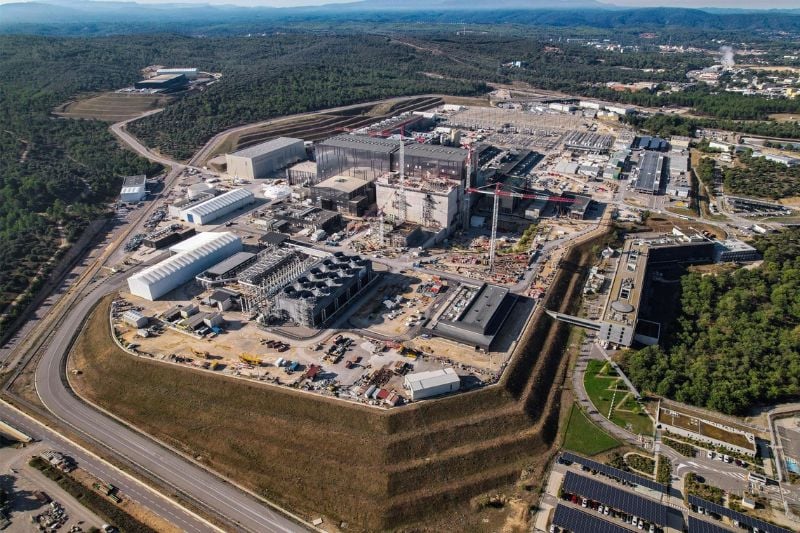
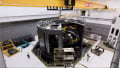
ITER facility in France. Image used courtesy of ITER
ITER goals are:
- Producing 500 MW of fusion power for periods of 400 to 600 seconds
- Achieving a Q value of 10 (generating 10 times more thermal output than input)
- Demonstrating essential technologies for future fusion power plants
- Testing tritium (hydrogen isotope fuel) breeding concepts
- Proving the safety characteristics of a fusion device
ITER has conducted continuous projects, but delays and technical challenges have plagued it. The project's start date has been moved from 2025 to 2034, a nine-year delay. Full fusion power operations are now projected for 2039, a four-year setback from the previous plan. The delays are expected to add approximately €5 billion to the project's cost.
These setbacks have raised concerns about ITER's relevance, as some fear it may become obsolete by the time it's operational, especially with the emergence of private fusion startups promising faster timelines.
Beyond ITER
Outside of ITER, nuclear fusion research efforts and research funding remain robust worldwide.
China has joined the nuclear fusion race with an estimated annual budget of $1.5 billion, nearly double that allocated by the U.S. government for fusion research in 2024. The country has also launched a national industrial consortium led by the China National Nuclear Corporation to promote fusion technology development. China's Experimental Advanced Superconducting Tokamak (EAST), also known as the "artificial sun," for example, has shattered its own world record by maintaining a steady loop of plasma for 1,066 seconds (over 17 minutes). This achievement more than doubles its previous record of 403 seconds, demonstrating significant progress in plasma confinement, a crucial aspect of fusion technology.
In November 2024, Japan launched the FAST (Fusion by Advanced Superconducting Tokamak) project, which aims to achieve fusion-based power generation by the end of the 2030s. Helical Fusion, a Tokyo-based company, is aiming to launch the world's first steady-state fusion reactor by 2034 and is planning for commercial operations in the 2040s.
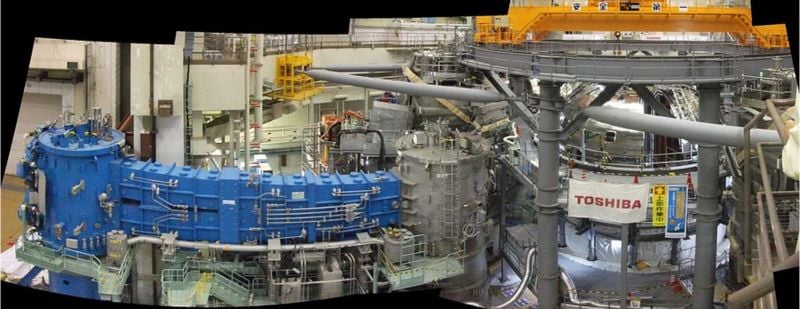
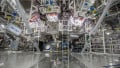
Japan’s fusion reactor. Image used courtesy of Wikimedia Commons
Artificial intelligence is increasingly important in fusion development. The U.K. government plans to create an AI Growth Zone at its fusion energy campus in Culham, Oxfordshire. This initiative aims to leverage AI to enhance fusion research and accelerate progress in the field. The U.K. government invested £410 million ($500 million) to accelerate fusion energy development. This funding will support various initiatives, including the U.K.'s STEP (Spherical Tokamak for Energy Production) prototype fusion plant and the Fusion Futures program for building fusion capability and skills development.
Spain is constructing the SMART tokamak at the University of Seville, exploring negative versus positive triangularity prospects in spherical tokamaks. This project involves collaboration with the USA's Princeton Plasma Physics Laboratory.
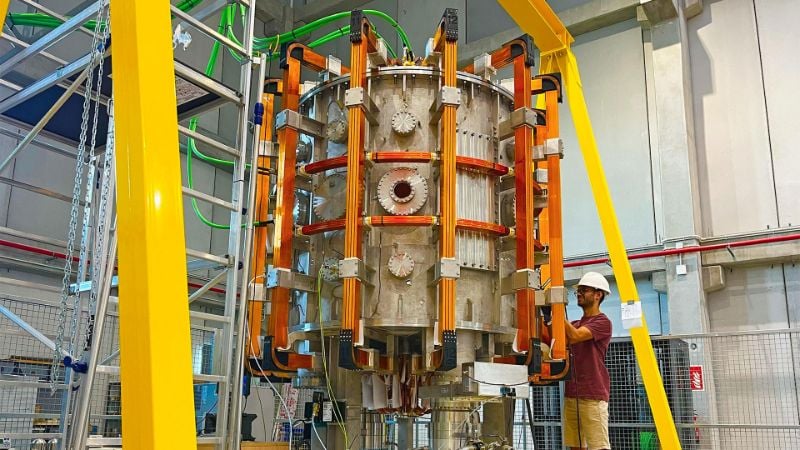
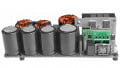
Spain’s SMART tokamak. Image used courtesy of Princeton Plasma Physics Laboratory/University of Seville
OpenStar Technologies in New Zealand has successfully powered its core component, a half-ton doughnut-shaped magnet named Junior, using a patented flux pump technology. This achievement marks a crucial step towards completing the country's first fusion energy device prototype.
U.S. Future With ITER
For fiscal year 2025, the U.S. Department of Energy has requested $225 million for ITER contributions. In previous years, the U.S. contribution to ITER was around $242 million annually. The U.S. has committed to covering 9.1 percent of ITER's construction costs and 13 percent of its operational costs once it begins operation.