Facebook
 Google
 GitHub
 Linkedin
Harnessing EVs: The Potential of V2G for Grid Stability, Renewables
Vehicle-to-grid electric vehicle charging offers grid stability, but obstacles stand in the way of widespread adoption.
Vehicle-to-grid enables electric vehicles to act as mobile energy storage units within smart grids. Advancements in smart grid technology have provided more opportunities for V2G operations. V2G allows energy to flow both ways―from the grid to an EV and vice versa―allowing excess energy that is generated (for example, through renewables at peak harvesting times) to be stored for later use when there is a higher load demand on the grid.
V2G operations can help stabilize the grid, aid with renewable energy integration and management, and help to decarbonize the grid. However, because V2G operations rely on consumer EV charging systems, numerous technical, economic, and societal barriers prevent the widespread commercialization of this technology within grids around the world.
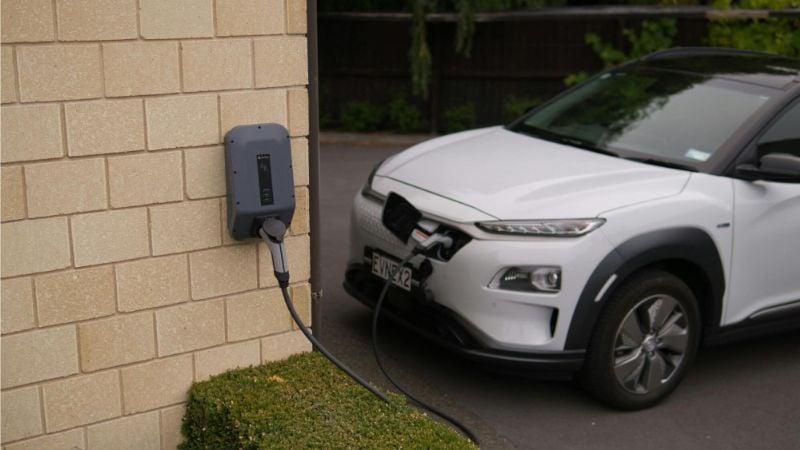
Electric vehicle home charging. Image used courtesy of Pexels
Interest in V2G Operations
V2G operations can help to improve grid reliability and resilience, support peak energy demand, ease management operations, and increase the number of renewables that can be integrated into the grid. V2G operations can help to reduce carbon emissions in the grid and promote decarbonization efforts in the grid.
However, many barriers must be navigated before the widespread commercialization of V2G operations. Wider implementation will hinge on creating more collaboration between stakeholders and implementing supportive policies and continued technological innovations.
Technical Barriers to Adoption
Despite advancements in V2G technology, several technical barriers must be addressed.
Battery Technologies
One concern is battery energy efficiency and degradation. Attaching EV batteries to the grid will create more charge and discharge cycles than if they were used only to power the EV. The increased number of cycles will accelerate battery wear above normal levels, reducing the performance and usable life of EV batteries. They will need to be replaced more often, as EV batteries are often replaced when their State of Health reaches 70-80%.
Continued research and development into advanced battery chemistries―such as solid-state batteries―and optimized charging algorithms could ensure that batteries last for longer under these conditions. Additionally, more developments are needed in secondary applications for the used EV batteries, such as in stationary grid storage applications.
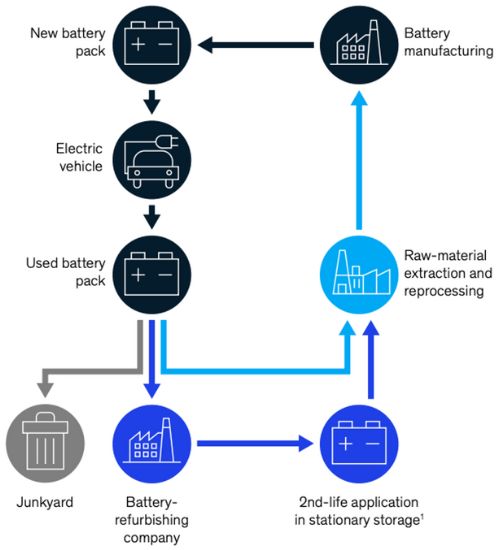
Possible uses for used battery packs. Image used courtesy of Wikimedia Commons
Grid Compatibility and Interoperability
Communication protocols and interfaces between EVs, their charging stations, and smart grid infrastructure are lacking, which complicates V2G implementation. Developers must harmonize standards among component manufacturers and utility providers. Without standardization, V2G operations will struggle to integrate seamlessly into existing grid architecture.
Many grid systems lack the compatibility for bidirectional energy flow, as many systems have still not been upgraded with smart technologies―such as smart meters, AI-enabled energy management systems, and real-time data analytics. All these technologies are crucial for optimizing V2G operations and will need wider integration before rolling out V2G-specific technology.
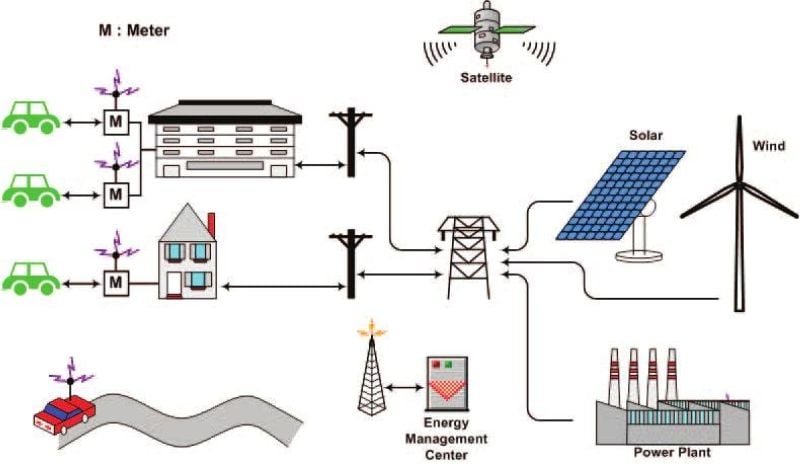
V2G charging system. Image used courtesy of Department of Energy
Economic and Societal Barriers to Adoption
Economic and societal barriers to V2G must also be considered. Upgrading grid infrastructure and deploying V2G-compatible charging stations will require a significant investment that might require government subsidies to facilitate a widespread rollout. For utility companies, the economic viability of V2G operations remains uncertain due to fluctuating energy prices and revenue-sharing models between EV owners and utility providers. Transparent pricing and flexible energy tariffs will be needed.
Additionally, EV owners may not take part in V2G programs. If the financial incentives are not appealing enough, or if the EV owners don’t understand the benefits, lower V2G adoption will make it less feasible to set up the infrastructure. Similarly, if too many EV owners believe the battery degradation costs will outweigh the potential benefits, then participation might be lower than expected. Utility companies will need to educate consumers on V2G participation benefits and must be prepared to implement clear compensation structures and warranty assurances to put EV owners’ minds at ease.
V2G Development Worldwide
Even though many challenges still need addressing, numerous pilot projects are occurring around the world to showcase V2G technology potential. Denmark has demonstrated the feasibility of V2G operations to stabilize the grid and promote renewable integration. Japan has used EVs as backup power sources and to provide emergency energy supplies during natural disasters. In the U.S., California has implemented V2G policies that incentivize EV owners to participate in grid storage programs.