Facebook
 Google
 GitHub
 Linkedin
Employment Explosion: Nuclear Fusion Creates Thousands of Jobs
Growing the technology will create job opportunities across research, construction, operations, policy, supply chain, education, and waste management sectors.
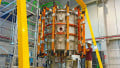
Fusion prototype in the U.K. Video used courtesy of U.K. Atomic Energy Authority
The Fusion Industry Association (FIA) reports that the nascent fusion energy industry has benefited from more than $7.1 billion in investments in recent years, including more than $900 million in new funding last year. Bloomberg has estimated that the global fusion market could eventually be valued at over $40 trillion. Much investment benefits public-private and university partnerships, pushing research and development into creating energy from the fusion of hydrogen atoms. This is essentially the same process powering the sun.
Further, the FIA states that private fusion companies employ over 4,000 people worldwide, a 34 percent increase since last year and nearly 300 percent since 2021. Of these new employees, roughly half are engineers (48 percent), while a quarter are scientists (25 percent), and the remainder (27 percent) are in other roles. The eventual construction of new fusion plants, such as the proposed prototype plant in East Yorkshire in the U.K., could create up to 8,500 jobs for a single project.
Fusion Isn’t Easy
Producing a workable commercial fusion reactor poses enormous challenges. Nuclear fusion requires extremely intense temperatures and pressures. The hydrogen plasma that forms must be heated to about six times hotter than the temperature at the sun's core. Magnetic fields produced by superconducting magnets contain the hydrogen plasma long enough for fusion to occur. While scientists can do this on an extremely small scale, creating a full-size fusion reactor presents challenges for the materials scientists and engineers involved in fusion projects worldwide.
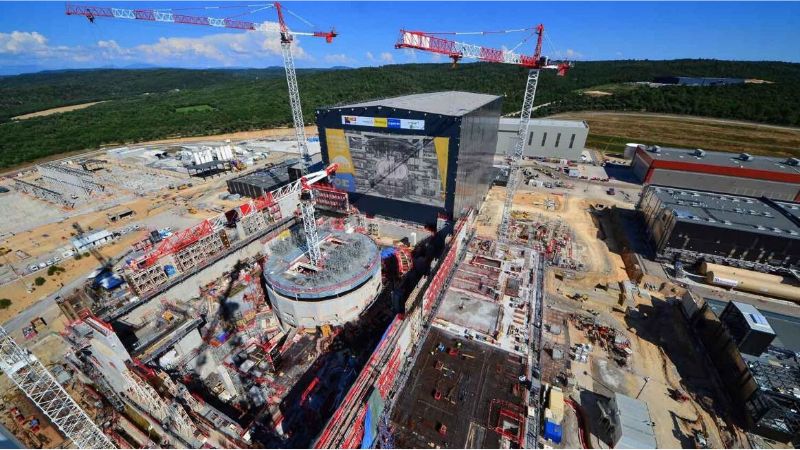
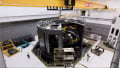
Fusion facility in the U.K. Image used courtesy of U.K. Atomic Energy Authority
There is hope. The FIA 2024 Report says 89 percent of the 45 companies responding to a survey expect fusion will provide commercial electricity to the grid by the end of 2030s. In fact, 70 percent said the milestone will happen by the end of 2035.
Fusion Jobs
Nuclear fusion’s long-term impact on the job market is expected to be substantial. As fusion technology matures and becomes commercially viable, it will create new roles and transform existing industries. The need for specialized training and education will lead to job growth in academic and training sectors, further expanding the employment landscape.
Research and Development
- Nuclear physicists: Essential for advancing fusion technology through theoretical and experimental research
- Engineers: Including systems engineers, materials scientists, and plasma physicists, who will design and optimize fusion reactors and related technologies
- Technicians: Skilled in handling sophisticated equipment and conducting experiments
Construction and Manufacturing
- Construction workers: Involved in building fusion power plants, which is a labor-intensive process requiring a range of skills from site preparation to equipment installation
- Manufacturing specialists: Responsible for producing the high-tech components needed for fusion reactors
Plant Operations and Maintenance
- Fusion plant technicians: Operate and maintain the reactors, ensuring they run safely and efficiently
- Maintenance personnel: Conduct routine inspections and preventive maintenance to uphold safety standards
Policy and Regulatory Affairs
- Fusion policy analysts: Develop and analyze policies to ensure the safe and ethical implementation of fusion technology
- Regulatory specialists: Navigate the legal and safety aspects of fusion energy deployment
Supply Chain and Support Services
- Supply chain managers: Oversee the logistics of sourcing and delivering materials and components
- Service providers: Including those in transportation, waste management, and other support roles to facilitate the broader fusion industry
Education and Training
- Educators and trainers: Develop specialized training programs to equip the workforce with the necessary skills for the fusion industry
- Academic researchers: Conduct studies to further the understanding and application of fusion technology
Decommissioning and Waste Management
- Decommissioning experts: Plan and execute the safe decommissioning of fusion reactors at the end of their lifecycles
- Waste management professionals: Handle the disposal and management of any waste products, ensuring environmental safety
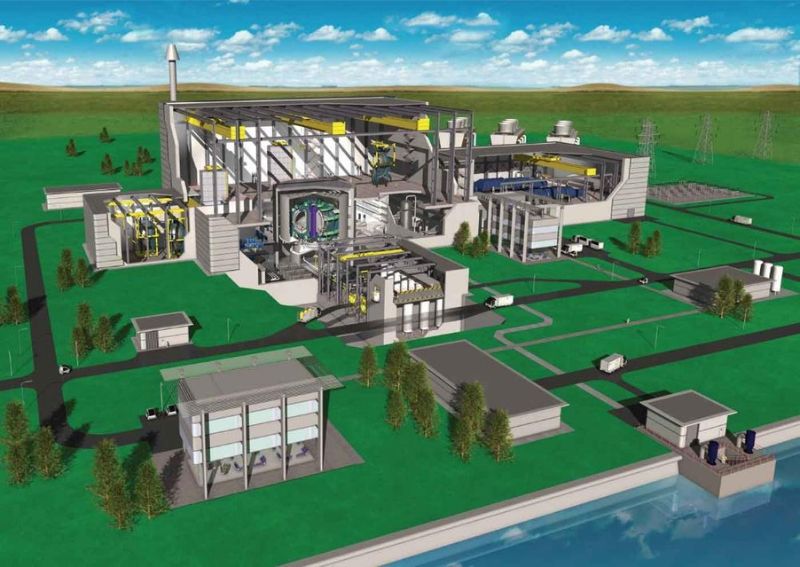
Nuclear fusion power facility. Image used courtesy of U.K. Atomic Energy Authority
Fusion’s Future
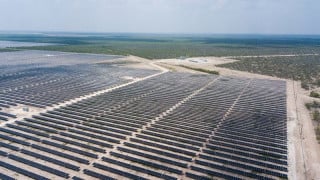
If nuclear fusion can deliver clean, carbon-free energy to the electric power grid, we need it urgently. Despite wind and solar power’s growth, fossil fuels like natural gas still dominate electricity generation and are likely to do so for the foreseeable future, exacerbating climate change. Nuclear fusion’s challenges are immense, and we may never overcome them. However, the potential to eliminate carbon emissions while at the same time providing high-level jobs across a wide range of skills is so significant that we cannot afford to ignore the pursuit of nuclear fusion energy.