Facebook
 Google
 GitHub
 Linkedin
Balancing Generation and Consumption: LFC in Power Plants
Load and frequency control is key to maintaining power system stability and reliability.
The balance between power generation and consumption ensures power system stability by deploying load and frequency control mechanisms in power plants to maintain frequency. The system's frequency is directly proportional to generation and load. If the generation is more than the load, the frequency increases; if the generation is less than the load, the frequency decreases.
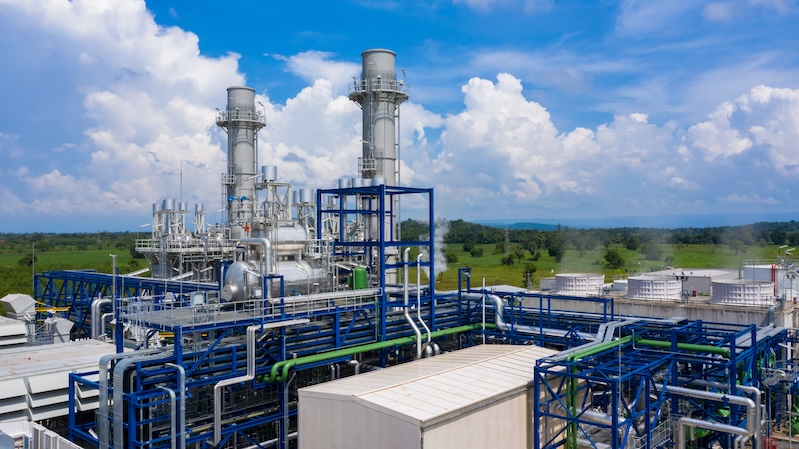
Image used courtesy of Adobe Stock
When we talk about load and frequency control (LFC) in hydropower plants, the key benefit is the quick response of the generation units to changes in load demand. As more plants are added, the importance of LFC can be overlooked, as can the protection, control, and auxiliary systems of the plants.
What Is Load and Frequency Control?
Many large power plants have load and frequency control equipment that automatically adjusts the speed level of the governors to maintain system frequency and secure the desired loading of all the units. System stability is generally improved when all generating units with good governors automatically take some part of any rapid load changes, resulting in the minimum load change for any machine under conditions that cause wide variation in frequency. Load and frequency control problems are relatively simple in a system with one or two generating stations. Still, they are more complex in large interconnected systems with many stations scattered over a wider area.
In larger systems, a central load dispatcher assigns loads to various stations by a predetermined schedule, modified from time to time. Frequency control is usually transferred to one of the largest generating stations. Load and frequency control systems or tie-line systems for hydropower plants perform comparatively simple functions.
In a power system, a tie-line is a transmission line that connects two or more electrical power plants, allowing the transfer of electricity between them. It plays a crucial role in power system management and regulation, interconnecting different power grids or regions so they operate together as a large network. With the help of a tie-line, power exchange is possible between different areas, which is beneficial during peak loads when one area has excessive generation while the other experiences shortfall.
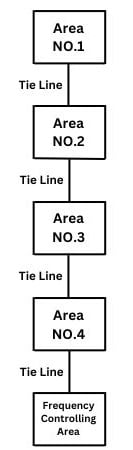
Figure 1. Tie-Line System. Image used courtesy of Munir Ahmad
Governor: Primary Controlling Element
The turbine governor remains the primary controlling element. At present, it is highly sensitive and efficient in performing its tasks of opening and closing the turbine gates to keep the turbine input matched to the generator load.
It is pertinent to mention here that for the early applications, the governor alone was enough to perform the regulation job. Still, as the power systems developed from a single machine connected to a load to the number of generating units connected, more information became necessary for performing the satisfactory job of the regulation. Furthermore, the requirements for the regulation became more rigid. The load and frequency control apparatus was developed to assist the governor in performing the regulation tasks. The LFC collects the additional information and delivers it to the governor. As the governor responds only to the speed, it is obvious that it accomplishes its function of initiating corrective movements of wicket gates whenever the speed departs from normal.
The earliest governors for the prime mover attempted to maintain the average speed constant. This is called a flat speed characteristic and is represented graphically in Figure 2.
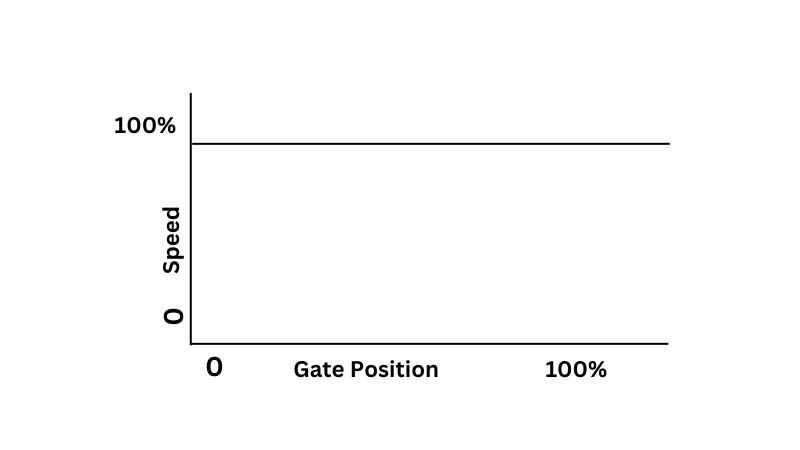
Figure 2. Flat speed characteristics of earliest governors. Image used courtesy of Munir Ahmad
Types of Load and Frequency Control
When the electrical system is very large, it is sometimes divided into load districts, with a load dispatcher for each district and a central load dispatcher. The types of load and frequency controls are as follows:
Flat Frequency Control. Flat frequency control regulates the generator output to maintain constant frequency, i.e., to keep the power generation equal to the load at all times.
Base Load Control. Base load control is used to hold a constant station output regardless of frequency or tie-lie load changes.
Selective Frequency Control. Selective frequency control is used when each area within an interconnected system desires to regulate the load swings within its area. It is necessary to have one master frequency control station in the system; the station in these specific areas helps regulate the frequency when the source of the frequency change is within their locality.
If the frequency is low and the tie-lie load indicates the area load exceeds the generation, the control station operates to increase the generator output. If the frequency is low and the tie-line suggests that the generation in this area is equal to or greater than the load, the control will not operate to change the generator output.
Flat Tie-Line Load Control. Flat tie-line load control will regulate the generator output to hold a definite scheduled power transfer over a tie-line regardless of frequency.
The term tie-line applies only to a transmission line that connects two power plants or systems containing power plants, as in Figure 3. In this system, the deviation of load between the two power plants may be adjusted to any proportions within their capacities, just as the deviation of load between two units within two units of one plant can be regulated by speed droop and speed level control.
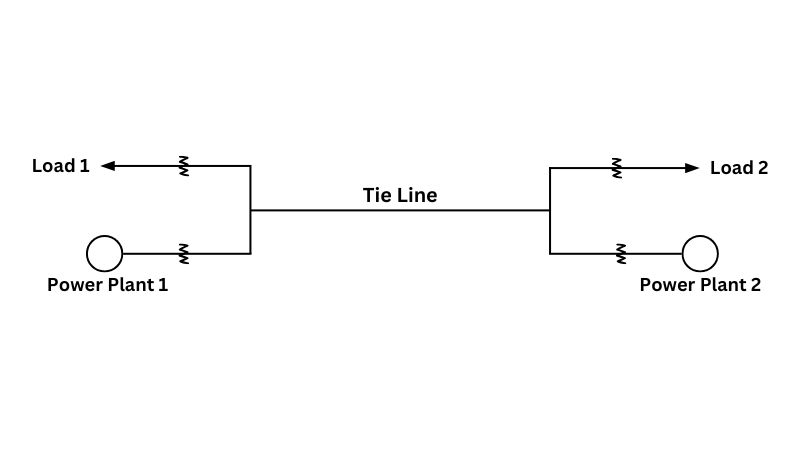
Figure 3. The elementary system with tie-line. Image used courtesy of Munir Ahmad
Tie-line Load Bias Control. Tie-line load bias control is used to hold a constant station output regardless of frequency or tie-line load changes.
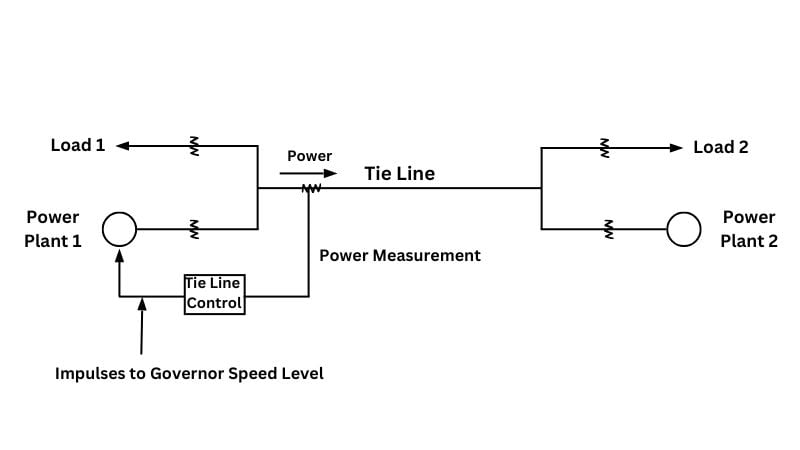
Figure 4. An elementary system with tie-line control. Image used courtesy of Munir Ahmad
Disadvantages of a Change in Frequency
If the system is not well-equipped with a proper LFC mechanism, the system is at risk and vulnerable to several issues.
1. Without proper LFC, the nominal frequency (50/60 Hz) can deviate from the normal limit. The over-frequency and under-frequency could destabilize the electrical system, leading to power disruption like cascading failure and complete blackout.
2. In AC circuits, frequency and voltage are interrelated, and the unstable frequency causes voltage fluctuation, which can damage electrical and power equipment.
3. Without proper load and generation management and unstable frequency, the plant will operate inefficiently, thus leading to high operational costs and a reduction in revenue due to outages.
4. All the AC generators in the system are synchronized (at 50/60 Hz), and poor LFC could lead to tripping of generators.
The Foundation of Stability
LFC is a foundation of power system stability, which ensures a balance between power generation and consumption. As electrical power systems expand, especially with the integration of renewable energy, LFC mechanisms like primary and secondary (also called automatic generation control) help maintain system frequency within acceptable limits (50/60 Hz).
The nonexistence of LFC can result in frequency deviations, voltage instability, inefficient operations, blackouts, and economic losses. Therefore, continuous innovation and development of the best SOPs and practices in power plant operations are necessary to maintain stability continually.