Facebook
 Google
 GitHub
 Linkedin
Google Backs Its Largest Solar-Storage Project in Arkansas
Construction kicks off on a massive solar-and-storage hub that will add multi-gigawatt generation capacity to Arkansas's regional grid.
Fresh off a string of major energy deals to support its expanding data center footprint, Google has started construction on its largest solar-and-storage project to date.
Google and developer Cypress Creek Energy kicked off the first phase of what is expected to become the largest solar-and-storage project in the U.S., pairing utility-scale photovoltaics with nearly 3 GWh of battery storage to support rising power demand from AI data centers and industrial plants.
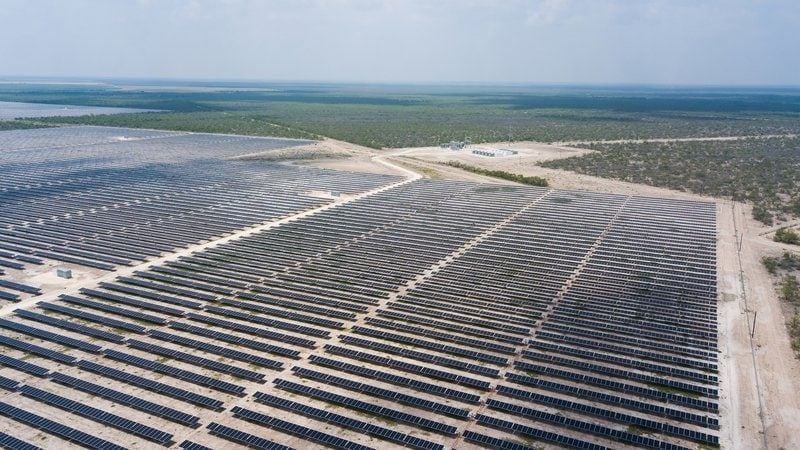
Cypress Creek Energy will expand its massive solar campus in Arkansas for Google. Image used courtesy of Cypress Creek Energy
Google's Largest Solar and Storage Project
The Steel River Energy Center, located in Mississippi County, Arkansas, will be built in three phases with Google as the anchor customer. The first two phases will add 1.6 GW of solar generation alongside 1.9 GWh of battery storage, with the full project slated to reach 2.5 GW of solar capacity and 2.9 GWh of storage by 2029.
The $4.5 billion project is one of a growing number of utility-scale energy developments built across the U.S. to help serve power-hungry AI data centers. According to a recent EPRI report, data centers could account for up to 17% of the nation's electricity generation by 2030, more than double today's share.
Google has signed a power purchase agreement covering Steel River's first two phases, making it the largest combined solar-and-battery investment in the company's renewable energy portfolio. Instead of serving a single Google data center, like some other models, the project will feed electricity into the regional grid, where the added generation and storage are intended to improve reliability while supplying growing demand from energy-intensive industrial facilities.
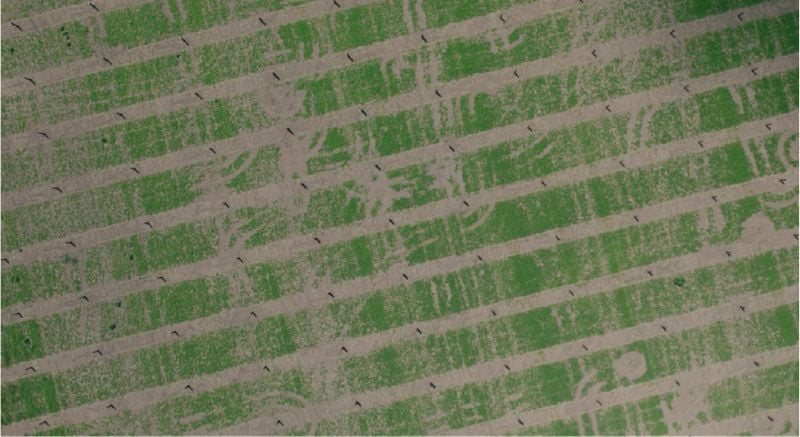
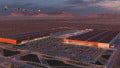
An aerial photo of the Steel River Energy Project site in Arkansas. Image used courtesy of Cypress Creek Energy
At 2.9 GWh, the Steel River battery system will be one of the largest ever paired with a U.S. solar project. Battery systems at this scale are typically designed to shift excess daytime solar generation into higher-demand evening hours, reducing renewable curtailment and providing services such as peak shaving, frequency regulation, and other forms of grid support. The combination of multi-gigawatt solar generation with gigawatt-hour-scale storage reflects a growing trend towards hybrid renewable plants that function as dispatchable grid resources.
Designed for Grid-Scale Load Growth
With large industrial loads and data centers pushing power demand higher in recent years, developers are increasingly concentrating multi-phase solar and storage projects near existing high-voltage transmission corridors, where new generation can be integrated into the grid more efficiently.
Local utility Entergy Arkansas is providing the transmission system access and grid interconnection for the Steel River Energy Project. With Arkansas's power needs projected to rise 35% over the next five years and potentially even doubling from there, Entergy Arkansas has put plans in place to invest 2,600 MW in new natural gas and solar facilities, as well as another 1,600 MW in repowering existing plants in the next five years. That includes developing a separate 600 MW solar and 350 MW battery storage project in Jefferson County, with operations targeted for 2028.
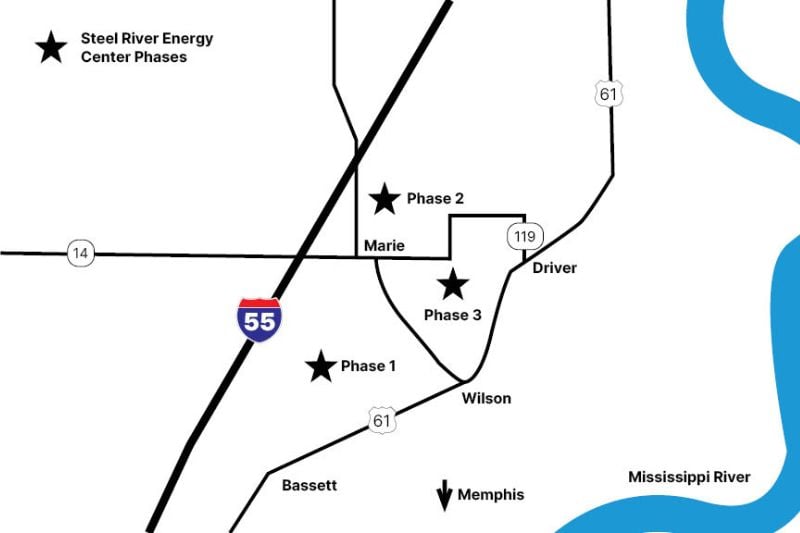
A map of the Steel River Energy Project's three phases. Image used courtesy of Cypress Creek Energy
Steel River's developers say they're using a largely domestic manufacturing chain. According to Cypress Creek, the installation will incorporate U.S.-manufactured photovoltaic modules from First Solar, Nextpower's solar trackers built with domestically produced steel, and LG Energy Solution Vertech's energy storage systems assembled in the U.S. using North American battery cells. Structural foundations will rely on more than 400,000 steel piles fabricated in Arkansas from locally made steel coils.
Domestic sourcing is a key consideration in large renewable energy projects as developers seek to reduce procurement delays. Using U.S.-made components can also shorten supply chains for replacement parts and long-term maintenance over the facility's operating life.
Once operational, Steel River is projected to generate enough output annually to power more than 315,000 Arkansas homes while expanding generation capacity on the regional transmission system.