Facebook
 Google
 GitHub
 Linkedin
GM, Ford and Tesla Make a Leap to LFP Battery Production
Electric vehicle makers and battery companies are launching production on lithium-iron phosphate batteries in the U.S. What’s behind the move?
General Motors will start producing lithium-iron phosphate (LFP) batteries at its Tennessee plant in late 2027. The auto giant touted a shift toward lower-cost battery technology. The facility will manufacture next-generation LFP cells alongside GM's existing nickel-cobalt-manganese-aluminum (NCMA) pouch cells.
A Ford director explains why EV makers are exploring LFP batteries. Video used courtesy of Ford
Line conversions are set to begin this year, enabling the plant to scale LFP cell production. GM positions LFP as a cost-effective addition to its current nickel-based chemistries and future lithium manganese-rich (LMR) cells.
The LFP expansion will bring a more diverse portfolio to GM. The company will focus on three core chemistries: LFP, NCMA, and LMR.
GM isn't alone in its shift to alternative battery technology, as rivals Tesla and Ford are also ramping up LFP production in the U.S.
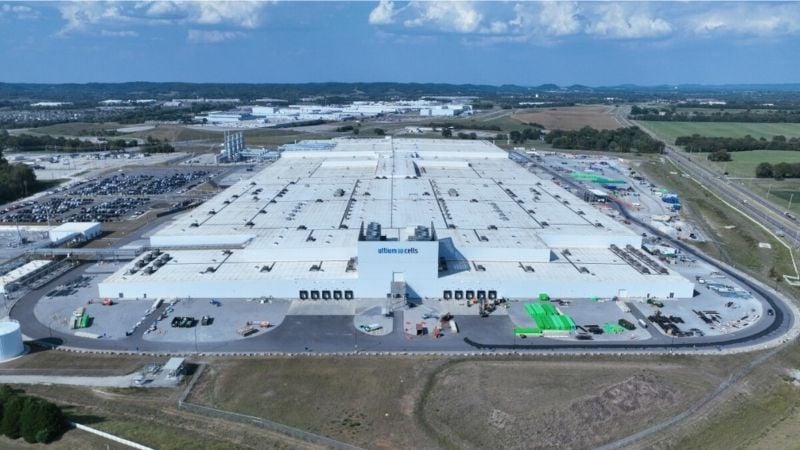
GM plans to add an LFP production line to its Tennessee factory. Image used courtesy of GM
GM's LFP Expansion + LMR in the Works
GM's Ultium Cells joint venture with South Korean battery giant LG Energy Solution already oversees the nation's largest OEM battery cell manufacturing capacity, with two plants in Tennessee and Ohio. The company has steadily built up that status from a $2.3 billion commitment in 2021. Now, GM says it's expanding with the next phase of its battery strategy with production capabilities for multiple chemistries.
The company recently announced plans to be the first automaker to produce lithium LMR prismatic batteries at commercial scale for EVs. Although LMR adoption has historically been limited by technical gaps like voltage decay and a limited lifespan, automakers are gaining interest in this alternative battery chemistry to hedge against tariffs and reduce reliance on Chinese metal suppliers.
GM has been quietly exploring LMR chemistry for over a decade, targeting improvements in cost and range. Engineers are now working to commercialize LMR cells in a prismatic format optimized for electric trucks and SUVs. This contrasts with GM's current NCMA pouch cells, which provide excellent energy density for range but rely on expensive materials like nickel and cobalt.
By pairing LMR chemistry with the space and cost efficiencies of prismatic cell design, GM claims it can exceed 400 miles of range in an electric truck at a lower cost than nickel-based cells. Since 2015, GM has tested manganese-rich lithium-ion formulations, developing 18 prototype versions in three cell dimensions. So far, those trials represent 1.4 million miles driven.
To support that expansion, GM has opened a facility in Detroit focused on validating new concepts for large-scale production.
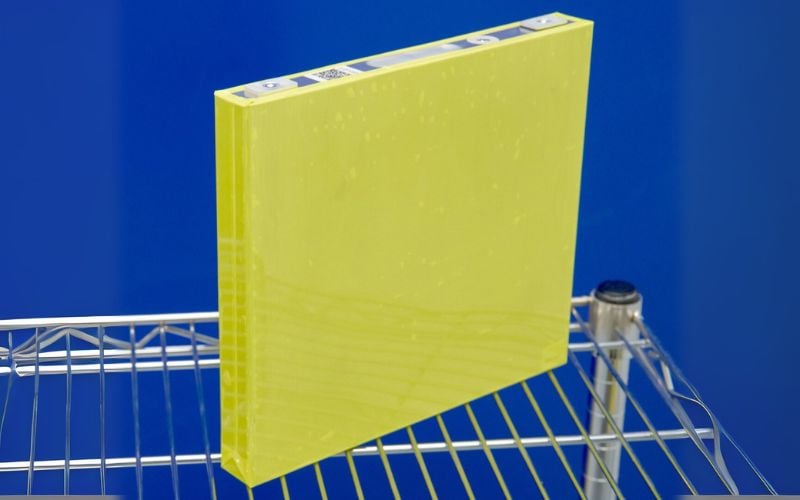
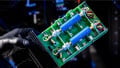
GM's prototype LMR battery cell. Image used courtesy of GM
Tesla LFP Cell Manufacturing Soon to Start in Nevada
Tesla is preparing to launch its first LFP cell manufacturing facility in North America, located in Sparks, Nevada, near its existing gigafactory. The facility's development was first made public in early 2024, with Bloomberg reporting that Tesla planned to acquire old CATL equipment at the site and target an initial capacity of 10 GWh.
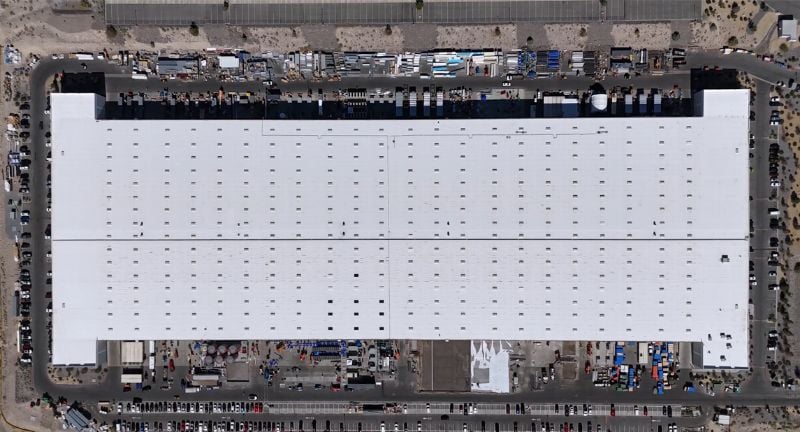
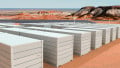
Tesla will soon open this LFP plant in Sparks, Nevada. Images used courtesy of Tesla
These LFP capabilities come as demand grows for Tesla's energy storage devices. The company deployed over 30 GWh in 2024, more than double the previous year's total. And in the first quarter of 2025, deployments topped 10.4 GWh—up from just 4 GWh a year earlier.
The LFP plant could play a significant role in scaling products like Powerwall and Megapack. Although Tesla has already incorporated LFP cells into standard-range vehicles like the Model 3, the new facility is focused on energy storage applications. The company recently launched Powerwall 3, featuring LFP chemistry.
The factory is part of a broader expansion in Nevada, where Tesla is also building a massive 100 GWh 4680 cell plant and a high-volume semi truck factory. (As of July 22, the LFP site in Sparks had nearly 100 active job openings.)
In its first-quarter earnings call this past spring, Tesla mentioned it was looking to localize LFP manufacturing to reduce its reliance on Chinese suppliers, where most Tesla Energy batteries come from. The company cited tariffs and supply chain risks as drivers to source LFP materials outside China.
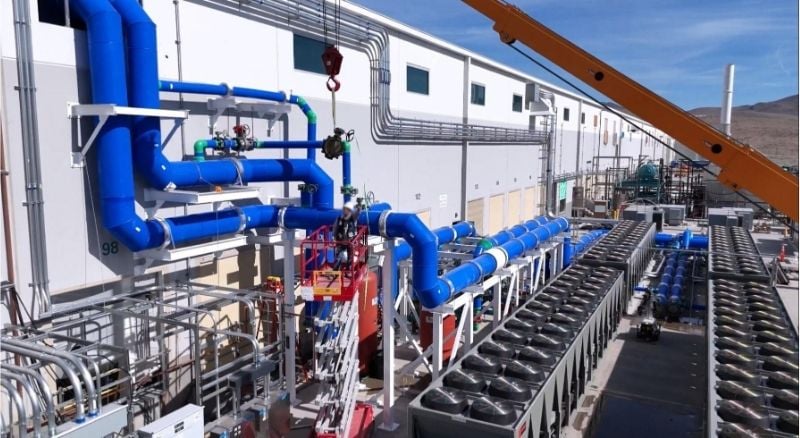
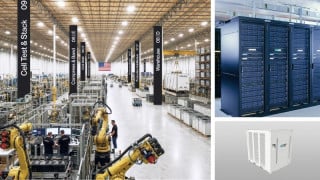
InsideTesla's LFP factory. Image used courtesy of Tesla
Tesla continues to innovate in its battery chemistry. Last year, the company filed a patent for a blended cathode design that combines iron phosphate with nickel-oxide-based materials. Tesla claims this could improve energy density, cycle life, and capacity retention in energy storage systems.
Ford LFP Plant Underway in Michigan
Ford is moving forward with building its first LFP battery plant in the U.S., called BlueOval Battery Park Michigan. The site is completing electrical and piping work. Off-site, production equipment is already producing C-sample LFP cells as Ford readies the technology for expansion.
Production of prismatic LFP cells is scheduled to begin in 2026. Ford has poured over $3 billion into the 1.8-million-square-foot complex, which will include both a cell plant and a pack plant, with a targeted annual capacity of 20 GWh. The site is hiring for more than two dozen positions.
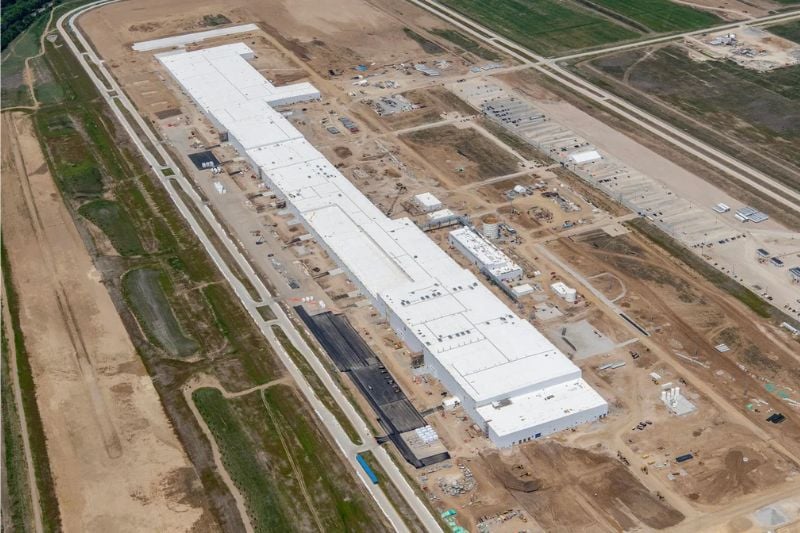
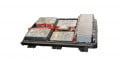
Ford's LFP plant is underway in Michigan. Image used courtesy of Ford
The LFP technology is licensed from Chinese battery giant CATL, allowing Ford to diversify beyond its current NCM cells. The company positions LFP as a cost-effective option for some EV models, such as the Mustang Mach-E and F-150 Lightning.
Ford engineers will integrate the new cells into future EV platforms as part of its long-term strategy.