Facebook
 Google
 GitHub
 Linkedin
EV Fleet Charging That Comes To You
L-Charge’s charging-as-a-service solution has freed Alto’s electrical vehicle fleet from the existing utility infrastructure.
Fixed electrical vehicle charging infrastructure has boosted EV usage, particularly in urban areas. However, building these stations faces several barriers, including high costs, power grid limitations, and space restrictions. Charging stations often require extensive grid upgrades and high initial investments. Additionally, fluctuations in user charging behavior and the need for reliable energy distribution create further complications.
L-Charge has partnered with Alto to expand EV operations in Dallas and Los Angeles. By using L-Charge’s subscription-based charging service, Alto can bypass infrastructure investments and utility constraints.
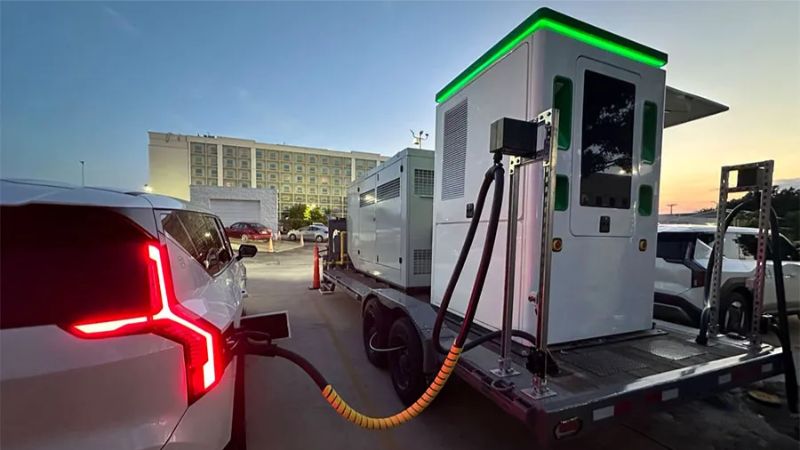
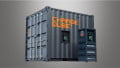
L-Charge’s mobile charging infrastructure. Image used courtesy of L-Charge
Charger Challenges
Urban areas, with dense populations, constrained spaces, and varied transportation demands, present unique challenges for integrating EV charging infrastructure.
A major obstacle is the substantial upfront investment required for charging equipment and installation expenses. Installation often requires extensive civil and electrical work, legal support, and continual upgrades to maintain reliable operation for increased loads. For instance, installing a single DC fast charger can range from $40,000 to $100,000 in some instances.
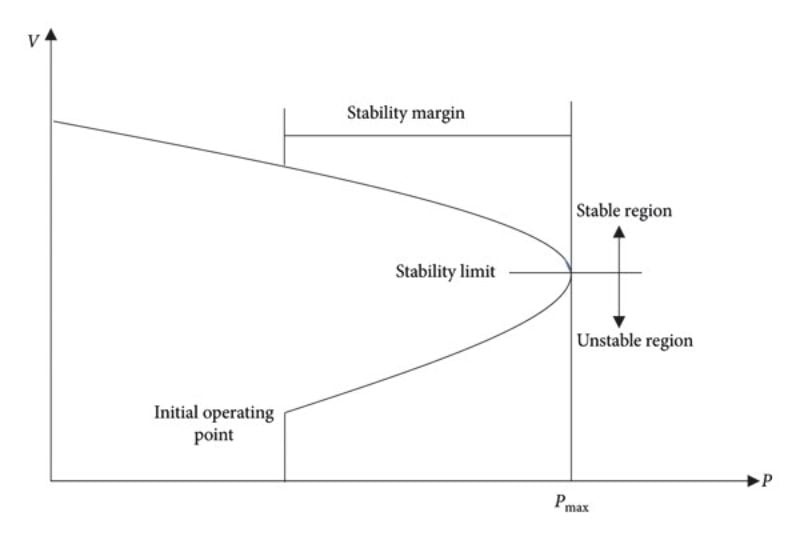
Active power vs voltage of bus. Image used courtesy of Mogaka et al.
Moreover, EV charging requires significantly higher power than typical residential loads, which increases the vulnerability of power distribution networks to voltage sags. Compounding this issue is the unpredictability of user charging behavior, as many EVs may charge during peak demand or at varying locations, further destabilizing voltage levels.
Distribution lines' high resistance-to-inductance ratios often cause voltage sags. Each bus has a critical voltage determined by line resistance and reactance, beyond which additional load leads to voltage collapse. The voltage sensitivity factor (VSF) quantifies voltage changes relative to active power variations; a high VSF indicates significant voltage drops even with minor power increases.
L-Charge Expands Alto’s EV Fleet
L-Charge’s off-grid EV charging technology has addressed traditional grid-based systems’ limitations through its charge-as-a-service model.
Each charging station, housed in a trailer, is powered by a natural or renewable natural gas generator and supports immediate use without relying on grid infrastructure. The system is designed with flexibility, featuring 180 kW chargers equipped with dual guns capable of delivering 90 kW simultaneously or ultra-fast 180 kW charging. Multiple units can be combined to scale operations, with configurations enabling up to 360 kW of power output. As a result, a single station can generate up to 4.32 MW of power per day.
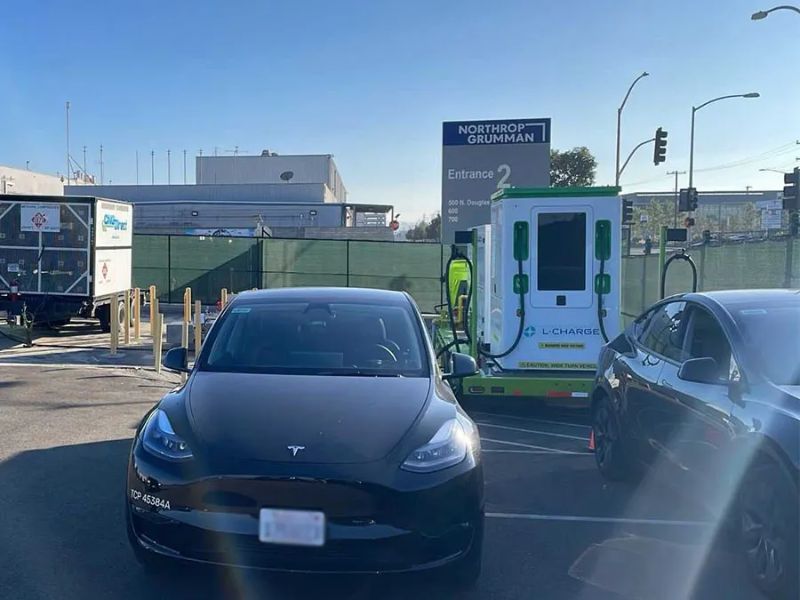
L-Charge charging station. Image used courtesy of L-Charge
According to L-Charge, any customer with a basic parking spot measuring 8.5 by 30 feet can access the company’s EV charging service within hours, regardless of their distance from urban centers. The company also claims its solution enables emission reductions of up to 43% for greenhouse gases and significant decreases in nitrogen oxides and carbon monoxide.
Through L-Charge's pay-per-use charging service, Alto has eliminated the need for large upfront investments in charging stations. Instead, the company can focus its budget on growing its vehicle network and improving service quality.
Shaping Tomorrow’s Urban Mobility
L-Charge and Alto’s partnership offers a glimpse into a future where EV charging can adapt to urban constraints. As more fleet operators embrace similar solutions, we may see a fundamental shift in how cities approach sustainable transportation by moving away from fixed infrastructure to more flexible systems.