Facebook
 Google
 GitHub
 Linkedin
Will NASCAR EVs Fire Up? Or Spin Out?
Will drivers and fans lap up NASCAR’s EV racecar, or will the idea of electrifying racing crash? Here is what’s behind NASCAR’s electrification efforts.
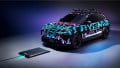
NASCAR used its Chicago Street race in early July to unveil a concept electric vehicle racing car. EV component supplier ABB collaborated with Ford, Chevrolet, and Toyota to build the car.
Fans of the biggest racing series in the U.S. were less than excited about the idea that thundering V-8 power would someday be replaced by electrification. NASCAR quickly pointed out that the EV was only a concept and had no plans to move its racing series to battery-powered electric vehicles.
NASCAR’s electric race car. Video used courtesy of ABB
Racing Has Changed
In the automobile’s early days, people accepted that racing improved the sport. Improvements in engine efficiency, suspension design, and braking performance eventually transferred from racing’s crucible to performance and, ultimately, to ordinary street cars. By the mid-1960s, however, racing cars had become so specialized that transferring racing technology to the street became less important than selling the image of racing. “Race on Sunday, sell on Monday” became the marketer’s rallying cry with the idea that track performance would build buyer showroom loyalty.
By the end of the 1990s, professional racing had become a multi-billion-dollar industry with more interest in reaping entertainment dollars than improving automotive technology. Why, then, did NASCAR, an organization far from the cutting edge of motorsports innovation (fuel injection only replaced carburetors a dozen years ago), decide it needed to alienate a certain cross-section of its fans by building an all-electric battery-powered concept car?
Decarbonizing
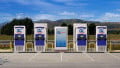
It turns out that NASCAR has been moving to clean up and decarbonize its operations for more than a decade. For example, in 2011, NASCAR began using Sunoco Green E15, an ethanol biofuel blend, for its racing series. The racing organization has installed solar panels with a goal of 100% renewable energy at all NASCAR-owned facilities and racetracks within five years. It has also implemented comprehensive recycling programs across all tracks and office locations. This includes recycling automotive fluids, aluminum, plastic, and cardboard. NASCAR plans to install an EV charging station infrastructure at tracks and facilities. Through the NASCAR Tree Planting Program, the organization has planted over 500,000 trees nationwide, particularly in areas affected by climate-related natural disasters. The group’s goal is to reduce its carbon footprint to zero by 2035.
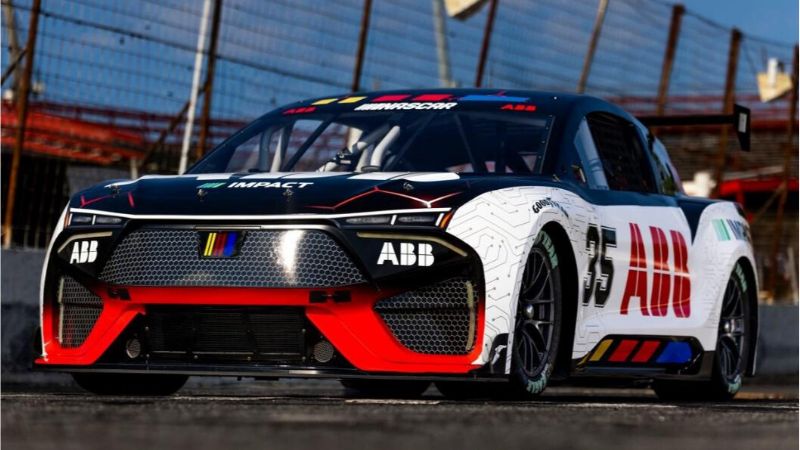
Electric race car. Image used courtesy of NASCAR
Electric Motorsport
Electrification is not new in motorsports. Several professional racing series now incorporate hybrid or fully electric vehicles.
-
Formula E is the premier all-electric single-seater racing series sanctioned by the FIA. It has been running since 2014 and gained FIA World Championship status in the 2020-21 season.
-
Formula 1 has been using hybrid powertrains since 2014. The current cars use a 1.6-liter V6 turbocharged engine with battery energy recovery systems.
-
The FIA World Endurance Championship’s top LMP1 class has featured hybrid powertrains for several years. Notable examples include the Porsche 919 Hybrid, which won multiple championships.
-
IndyCar introduced new hybrid technology in mid-season. The series adapted the existing Dallara DW12 racing platform to hybrid power. It uses supercapacitors rather than batteries to store energy generated while braking and returning it through an electric motor during acceleration.
-
MotoE World Championship is an all-electric motorcycle racing series that has been running since 2019 as part of the MotoGP World Championship.
-
Extreme E is an off-road racing series that started in 2021 using electric SUVs. For the 2025 season, the plan is to switch to hydrogen-powered fuel cells.

Le Mans Hypercar. Image used courtesy of Ferrari
-
The Le Mans Hypercar (LMH) class allows for hybrid and non-hybrid powertrains as part of the World Endurance Championship. The 2024 24 Hours of Le Mans was won by the #50 Ferrari 499P, driven by Antonio Fuoco, Miguel Molina, and Nicklas Nielsen. It was the 499P's second consecutive win at Le Mans using a hybrid powerplant.
NASCAR and Partners
NASCAR’s recently unveiled EV is a working prototype developed in partnership with ABB and marks a significant step towards electrification in stock car racing. This collaboration, known as the ABB NASCAR Electrification Innovation Partnership, aims to explore high-performance electric racing and create strategic opportunities for electrification in the sport. The NASCAR EV prototype, developed by NASCAR's Research and Development Center team in collaboration with Chevrolet, Ford, and Toyota, boasts impressive specifications.
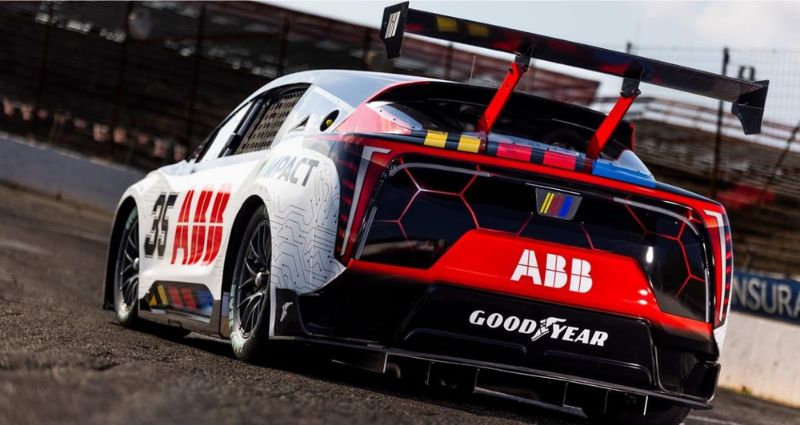
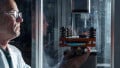
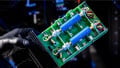
ABB helped develop NASCAR’s EV race car. Image courtesy of NASCAR
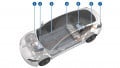
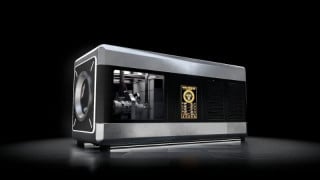
The vehicle features a tri-motor powertrain, with three STARD UHP 6-Phase motors—one motor for the front wheels and two for the rear—generating up to 1,341 horsepower (1,000 kW at peak power), which is approximately double the power of traditional NASCAR race cars. In its current configuration, the car is equipped with a 78 kWh liquid-cooled battery, giving a range of about 25 miles (40 km) in race conditions. Test driver David Ragan reported that he could complete around 50 laps of Martinsville Speedway, a half-mile track, on a fully charged battery.
Unlike the present generation of NACAR Cup racecars, the EV features a generic crossover utility vehicle body made of flax-based composite. The material emphasizes sustainability and better reflects the vehicle types the general public buys. Unlike the current rear-wheel-drive NASCAR racers, the EV has an all-wheel-drive system. Regenerative braking stores kinetic energy into the battery pack and returns it through the drive system, making the car suited to road courses and short oval tracks.
ABB is involved in the NASCAR EV project primarily due to its expertise in electrification and automation, which aligns with NASCAR's goals of sustainability and innovation. ABB has been involved in Formula E since 2014 and has been the series title sponsor since 2018. As a global leader in electrification technology, the company’s involvement in the NASCAR project brings advanced knowledge and capabilities in EV technology, helps to push the boundaries of possibilities in high-performance electric racing
Tepid Response
While NASCAR remains committed to traditional combustion engine racing, this partnership with ABB demonstrates its dedication to exploring electric technologies and reducing its environmental impact. The EV prototype showcases electric vehicles’ potential in high-performance racing, potentially changing perceptions about EVs among NASCAR fans.
The reactions of NASCAR fans to the unveiling of the EV prototype at the Chicago Street Race have been mixed, reflecting a range of opinions and emotions. Some fans strongly disapproved of the electric vehicle concept, with reactions ranging from skepticism to outright rejection. This sentiment is partly due to the traditional association of NASCAR with the roar and power of gasoline engines, which the quieter EV does not replicate. Despite this initial backlash, some fans are curious and interested in the new technology. While some fans are excited about the potential for innovative technology and sustainability, at least judging from social media posts, many are vocal about losing the traditional elements defining NASCAR racing.
It's important to note that NASCAR strongly stresses it has no immediate plans for a new all-electric racing series. Instead, this partnership allows ABB and NASCAR to explore high-performance electric racing and create opportunities for electrification in various aspects of the sport, including race vehicles, infrastructure, and energy education. Have we returned to a time when racing will improve the breed?