Facebook
 Google
 GitHub
 Linkedin
Genius Battery Anticipates Energy Demand
The AI-controlled battery pack can prevent grid congestion by balancing loads at peak times.
Electric vehicles, renewable energy, and the growing power demand are straining power grids at peak times. These sources cause short, intermittent, and unpredictable loads that strain grids worldwide.
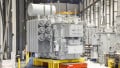
In the Netherlands, Eindhoven University of Technology (Tu/e) has been searching for potential solutions. TU/e has partnered with industry and government bodies to develop the Grid Efficiency Network Integration for Universal Sustainability (GENIUS) battery pack. The size of a sea container, the battery pack stores energy and uses smart controls to distribute it to the grid at peak demand times.
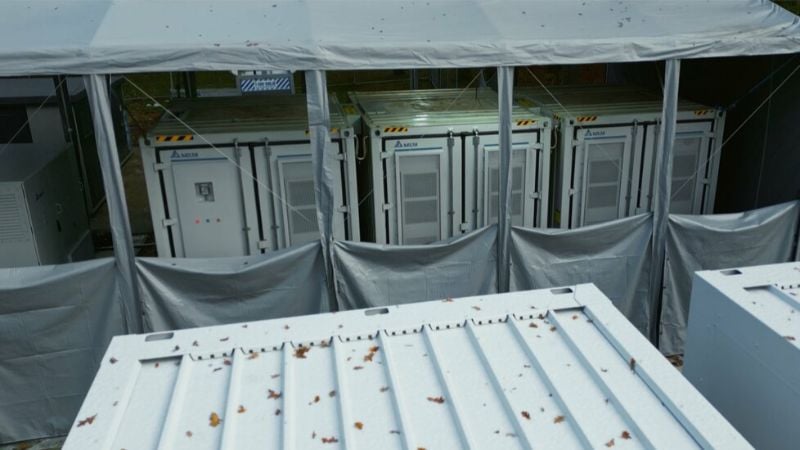
The GENIUS battery. Image used courtesy of TU/e
The Need to Balance Grid Loads
When energy demands spike at peak times, grid congestion results. Too much electricity flows along transmission lines at a given time and could overload the lines. In these scenarios, adding more electricity flow to the grid could result in overheating.
When the grid is congested, it doesn’t have sufficient capacity to meet demand. Renewable energy sources and storage batteries can feed energy to local parts of the grid. However, if this energy is not managed properly, the problems can worsen. Since renewable energy is intermittent in nature, it creates fluctuations and spikes in the power grid when added. If renewables are added to the grid without any management during congestion, it can further exacerbate the strain.
Balancing the load considers the energy taken out of the grid with resources added at peak times. Managing these factors can help to improve energy distribution and avoid grid congestion and transmission bottlenecks.
GENIUS Battery for Managing Peak Loads
The GENIUS battery comprises lithium iron phosphate batteries containing a smart control panel to manage users, storage devices, and renewable energy more efficiently to improve energy distribution and prevent energy spikes.
At the TU/e campus, the GENIUS battery has been used to coordinate and optimize complex data from the local energy environment. It can anticipate the energy demand of 40 buildings (serving 15,000 people daily) to prevent peak loads. The system is also connected to the local grid, enabling it to feed any surplus energy back into the grid.
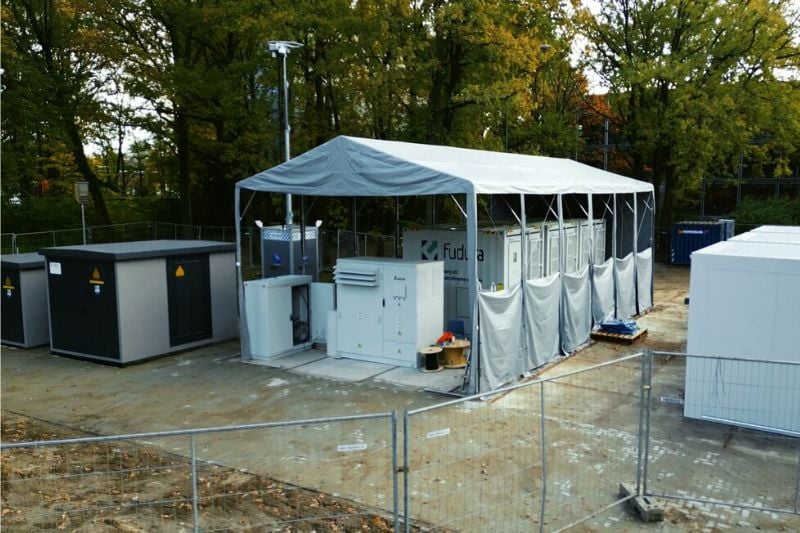
The GENIUS battery on the TU/e campus. Image used courtesy of TU/e
In campus trials, the battery helped solve grid congestion by spreading energy across the morning and evening rush hours. The AI-driven software controlled the energy flow between the battery, EV charging stations, and solar panels to ensure that all the buildings were always connected and that the use of the system had no adverse effect on the local area and the local grid. It was so successful that the campus could expand and still not suffer grid congestion.
The battery has smart charging and discharging capabilities. It will also perform peak shaving during low periods (i.e., storing energy when there is little demand). The GENIUS battery system has shown that it can provide an extra 20% grid capacity while reducing carbon dioxide emissions.
First Trial in South Netherlands
The GENUIS systems provided the Dutch energy industry with a blueprint for more efficient grid operations. A consortium of public and private entities is eyeing the South Netherlands for the first commercial application. The area serves 3,500 industrial estates, and grid congestion slows renewable energy development and economic growth. The project could be operational within four years.