Facebook
 Google
 GitHub
 Linkedin
Leveraging Methane Pyrolysis to Meet Industrial Decarbonization Demands
Methane pyrolysis provides industrial decarbonization by converting natural gas to hydrogen and solid carbon. Learn how this process reduces emissions and provides reliable energy.
The demand for low-carbon energy is surging across industries, driven by data center expansions, manufacturing growth, and corporate decarbonization targets. However, utilities face major challenges in delivering clean, reliable energy at the scale and speed required by industrial customers.
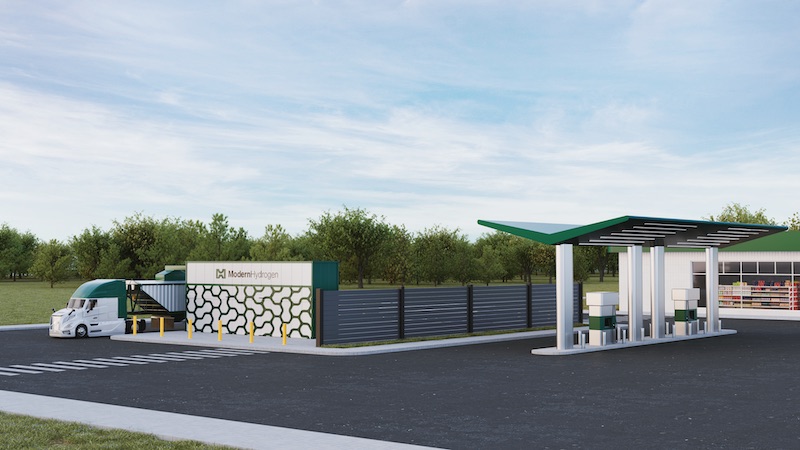
Figure 1. Modern Hydrogen fueling station
A promising solution is emerging through onsite methane pyrolysis, a process that converts natural gas into hydrogen while sequestering carbon in solid form. This article explains how methane pyrolysis enables utilities and industrial customers to reduce emissions without requiring extensive infrastructure overhauls.
Growing Demand for Low-Carbon, Reliable Energy
The rapid expansion of data centers, alongside electrification efforts in manufacturing and transportation, is leading to an unprecedented rise in energy demand. According to a recent report by Grid Strategies, U.S. electricity demand could rise by 128 gigawatts in the next five years, representing a 456% increase compared to projections two years ago.
At the same time, major corporate players such as Amazon, Google, and Microsoft have established ambitious decarbonization targets, requiring utilities to deliver low-carbon energy solutions that do not compromise reliability.
Meeting these rising energy demands while ensuring low-carbon solutions presents significant challenges. Traditional pathways for decarbonization, such as direct electrification, renewable natural gas, and electrolytic hydrogen face limitations in scalability, and infrastructure readiness.
Many utilities are unable to meet new interconnection requests within a reasonable timeframe, delaying projects for years as new load demand outpaces generation and transmission capacity. Industrial customers, particularly data centers and manufacturing facilities, need near term solutions to support the growth of their businesses.
AI Power Race: Securing a Reliable Energy Future
As AI technology continues to advance, the demand for data centers is accelerating at a rapid rate. The energy-intensive nature of AI processing paired with electric grid constraints requires a scalable, distributed energy strategy that reduces construction delays and enables industry growth.
Modern Hydrogen’s on-site methane pyrolysis technology offers a practical solution to this growing challenge. By enabling data centers to generate hydrogen from natural gas directly at the point of use, it provides a dependable, low-carbon power source without relying on overburdened electrical infrastructure. This approach takes advantage of readily available domestic natural gas to meet data center capacity goals without compromising carbon emissions reduction efforts.
Thermal Methane pyrolysis is emerging as a viable solution to bridge the gap between natural gas infrastructure and hydrogen production for decarbonization. Other clean hydrogen production technologies rely on significant renewable electricity inputs, diverting that electricity from more efficient direct uses.
Thermal methane pyrolysis uses natural gas or biogas, without substantial electrical demand, to generate hydrogen while capturing solid carbon as a coproduct. This process, sometimes referred to as turquoise hydrogen production, allows for decentralized, point-of-use hydrogen generation, eliminating the need for expensive and emissions-intensive hydrogen transport networks and storage infrastructure.
Case Study: On-Site Hydrogen Generation for Data Centers
A recent partnership between Mesa Natural Gas Solutions and Modern Hydrogen demonstrates the practical applications of methane pyrolysis for industrial decarbonization. By integrating Modern Hydrogen’s MH500 methane pyrolysis technology with Mesa Solutions’ generator systems, data centers will be able to generate hydrogen on-site and use it for low-carbon power production. This approach allows data center operators to meet their expansion objectives without sacrificing decarbonization commitments.
Case Study: Decarbonizing Industrial HVAC with Cambridge Air Solutions
Beyond data centers, methane pyrolysis is proving valuable in other industrial applications, such as heating and ventilation. Cambridge Air Solutions, a leading provider of high-efficiency industrial HVAC systems, has partnered with Modern Hydrogen to integrate low-carbon hydrogen into heating systems used by major corporations, including General Motors and Grainger.
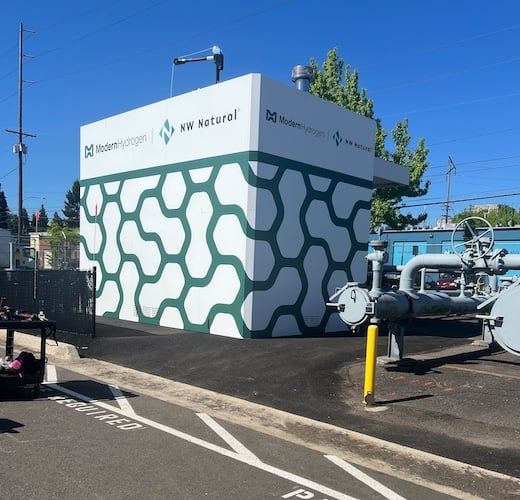
Figure 2. Modern Hydrogen unit at Northwest Natural facility
Heating emissions can account for nearly 20% of an industrial site’s overall emissions. Cambridge Air Solutions addresses this by offering ultra-high-efficiency heating systems that operate on natural gas. However, by blending low-carbon hydrogen generated via methane pyrolysis into their systems, emissions can be further reduced without requiring any significant changes to infrastructure.
Turning Carbon into a Commodity, Not a Burden
One of the most significant breakthroughs in methane pyrolysis is the commercialization of captured carbon in solid form as a high-value material for infrastructure. Rather than treating carbon as waste, Modern Hydrogen has successfully transformed solid carbon into a high-performance asphalt additive that enhances road, highway, and runway durability.
This approach provides a dual benefit—reducing carbon emissions while creating a new revenue stream for utilities and industrial partners. Commercializing carbon as an American-made infrastructure material strengthens our roads and opens new market opportunities for the natural gas sector. This technology is already being deployed in six states across a variety of climates, proving that carbon capture can be both environmentally and economically advantageous.
Advantages of Methane Pyrolysis for Utilities and Industry
- Scalability and Infrastructure Readiness—By leveraging existing natural gas infrastructure, methane pyrolysis enables near term deployment of hydrogen solutions without requiring hydrogen transportation, new pipeline construction, or major grid upgrades.
- Emissions Reduction—The process significantly reduces carbon dioxide emissions while providing a valuable solid carbon coproduct for industrial applications such as asphalt production.
- Energy Reliability and Resilience—Methane pyrolysis produces hydrogen continuously, ensuring firm base load power generation for mission-critical applications.
- New Revenue Streams—Captured solid carbon is already being used in six states as an asphalt additive, providing broad opportunities for reducing costs for road construction while enhancing infrastructure longevity.
Future Outlook and Industry Adoption
As utilities and industrial customers seek practical solutions to meet decarbonization objectives, methane pyrolysis is poised to play a critical role in the clean energy transition. While federal policies may shift, corporate demand for low-carbon energy remains steadfast, incentivizing utilities to explore innovative partnerships and technologies.
With continued advancements in pyrolysis efficiency and integration with distributed energy resources, methane pyrolysis is a key enabler of a low-carbon, resilient energy future.
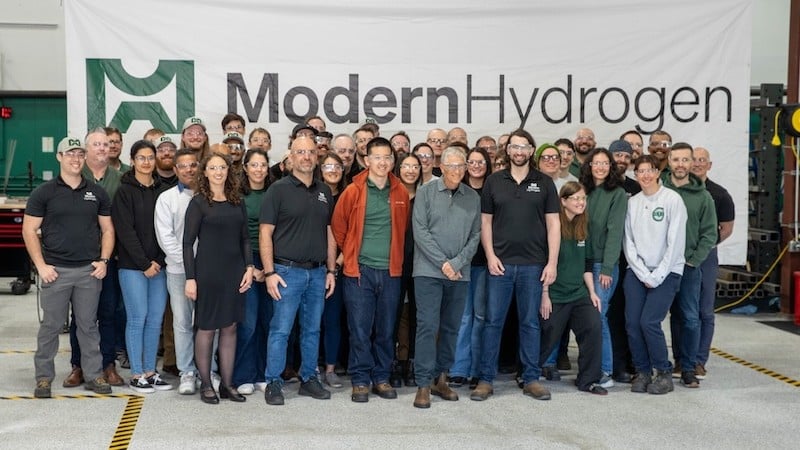
Figure 3. The Modern Hydrogen team with Bill Gates
For industries facing mounting pressure to decarbonize, methane pyrolysis offers a viable, scalable, and more immediate solution to integrate hydrogen into existing or new operations. By leveraging this technology, utilities can address the dual challenge of rising energy demand and emission reductions, ensuring a smooth transition to a more sustainable energy landscape.
Moreover, the ability to utilize the coproduct of solid carbon in infrastructure applications such as road construction further enhances this process's economic and environmental value. As adoption grows, methane pyrolysis will continue to be a game-changer in industrial and utility decarbonization strategies.
All images used courtesy of Modern Hydrogen.