Facebook
 Google
 GitHub
 Linkedin
Beat the Heat With SiC for Air Conditioners and Heat Pumps
This article will guide you through the technical considerations and practical applications of SiC discrete solutions and power modules in both residential and commercial air conditioner and heat pump designs.
Silicon carbide is revolutionizing the heat pump and air conditioning industry by delivering unprecedented efficiency, enhanced durability, and superior performance in the most challenging of environments. SiC-powered solutions can meet new, stricter efficiency regulations with either minimal retrofitting of existing designs or completely new system designs.
International Standards Require Increased Efficiency
Increasingly stringent heat pump and air conditioner efficiency standards worldwide aim to significantly reduce the environmental impact of heating and cooling in residential, commercial, and industrial applications. In the United States, the efficiency of heating and cooling systems is measured based on a national standard called the Seasonal Energy Efficiency Ratio (SEER).
Beginning in 2023, all new residential central air conditioning and air source heat pump systems sold in the northern United States were required to have a SEER rating of at least 14. In the southern states, where cooling consumes a larger share of home energy use, the requirement was a SEER rating of at least 15.
A similar standard in Europe, ESEER (European Energy Efficiency Ratio), requires new systems to be rated B or above. China has GB21455 Efficiency Standards, which require new designs to aim for higher efficiency grades but no lower than 5. Figure 1 illustrates the increasingly strict standards in the U.S., Europe, and China.
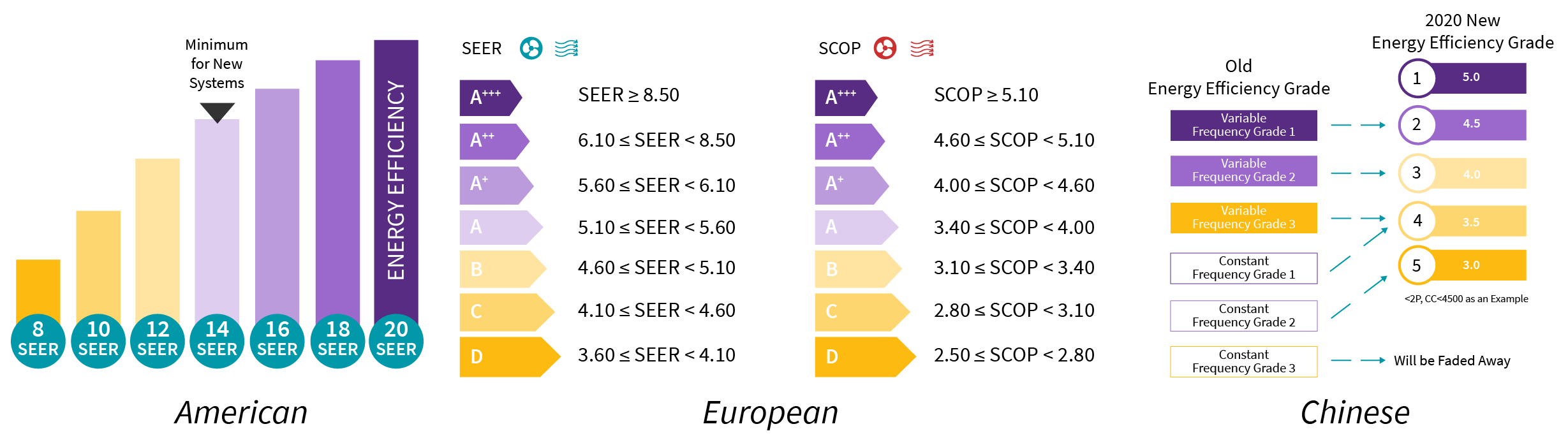
Figure 1. Global heat pump and air conditioning efficiency standards. [click to enlarge]
Meeting these requirements is difficult for legacy silicon power semiconductor devices. Silicon carbide provides a simple, cost-effective way to meet these standards while enabling smaller, more power-dense, and quieter overall heating and cooling systems.
Improving Efficiency With Simple Drop-In Silicon Carbide Devices
Silicon carbide discrete devices can be easily integrated into existing heat pump and air conditioner designs, enabling sufficient efficiency gains to meet SEER, ESEER, and GB21455 standards. Figure 2 illustrates the various subsystems of heat pumps and air conditioners, including power conversion (PFC) and inverters, which together power the compressor and provide the desired air temperature.
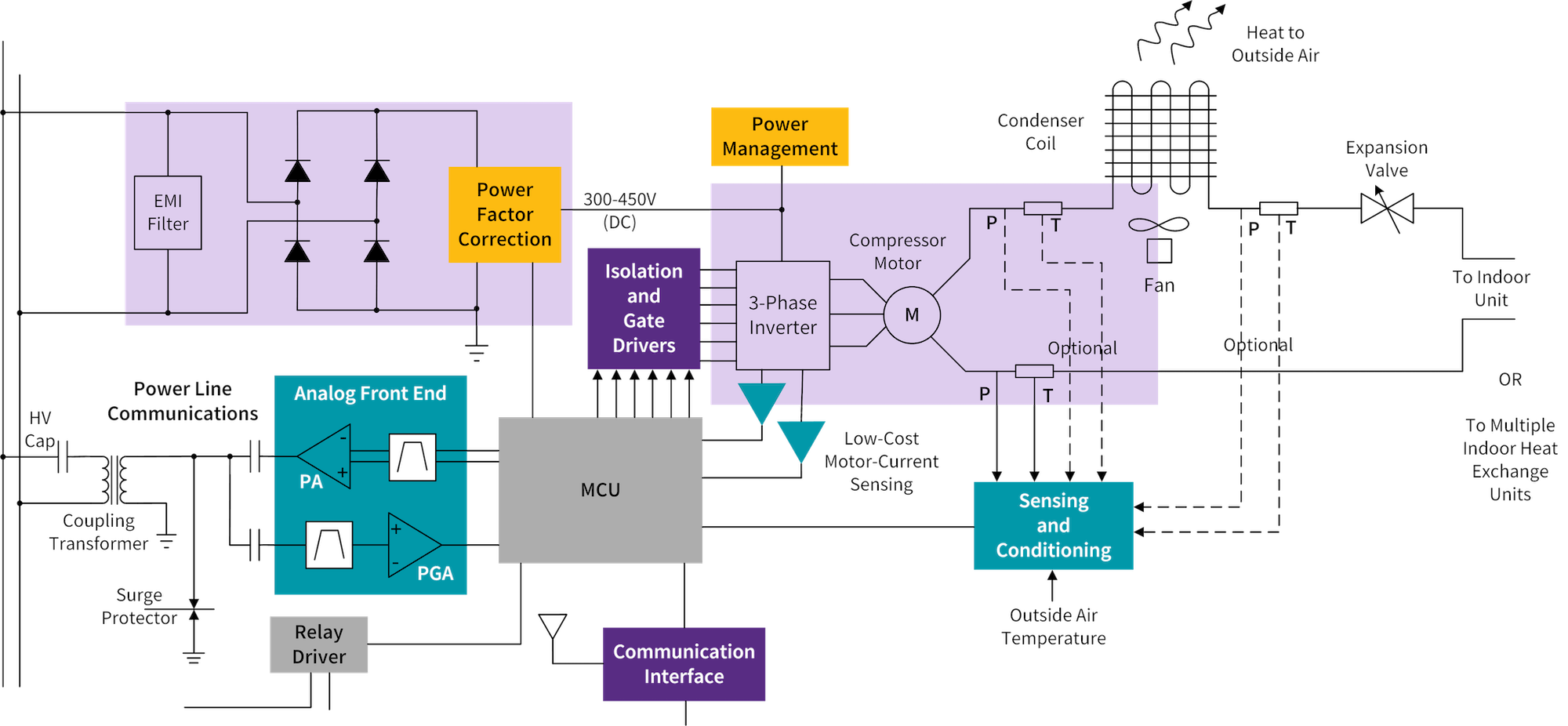
Figure 2. The subsystems of heat pumps and air conditioners with highlighting of the PFC and inverter used to power up the compressor motor. Image used courtesy of Electronic Products [click to enlarge]
Figure 3 (left) shows the typical silicon-based PFC in an active boost configuration. As shown in the right portion of the image, this design can be easily improved by simply replacing the silicon diode with a 650 V or 1200 V (depending upon the DC bus voltage) silicon carbide (SiC) Schottky diode without any system redesign. This is a very popular upgrade and yields a 0.5% or even higher increase in efficiency.
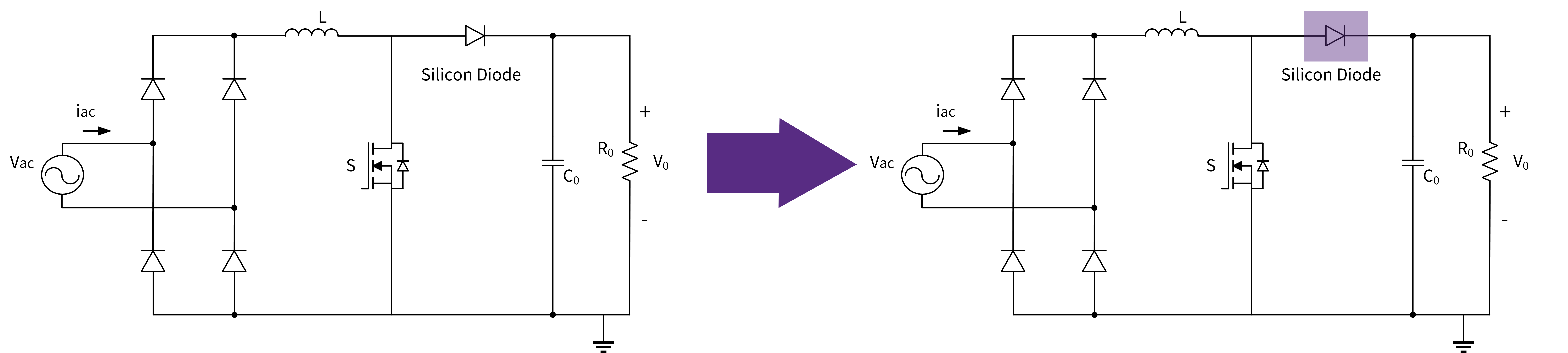
Figure 3. Upgrading the PFC with SiC Diode (no redesign approach). [click to enlarge]
Unlike silicon diodes, 650 V and 1200 V silicon carbide Schottky diodes offer zero reverse recovery charge (Qrr). Wolfspeed’s C4D 1200 V and C3D 650 V SiC diode series provide the best reverse recovery performance in the market (Figure 4). As demonstrated in this figure, these SiC diodes perform significantly better than Si rectifiers.
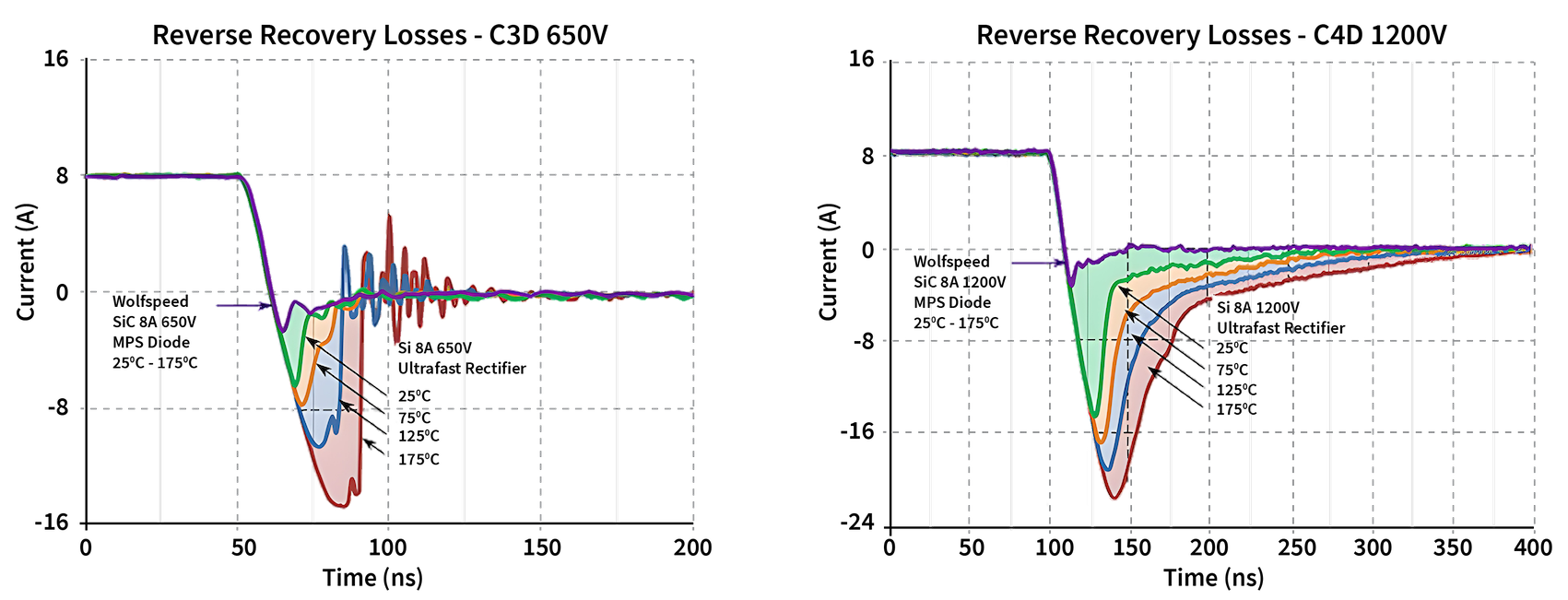
Figure 4. Wolfspeed’s silicon carbide (SiC) Schottky diodes offer magnitudes lower reverse recovery loss. [click to enlarge]
Redesigning with SiC Realizes Further Efficiency Gains
The performance benefits of silicon carbide can be further maximized by redesigning the PFC in a semi-bridgeless or bridgeless totem pole configuration (Figure 5). The semi-bridgeless PFC topology uses two SiC 650/750 V MOSFETs on the fast-switching leg along and two SiC 650/1200 V diodes on the slow-switching leg (depending upon DC link voltage. This design can improve the system efficiency by 1.5% over a silicon-based boost PFC.
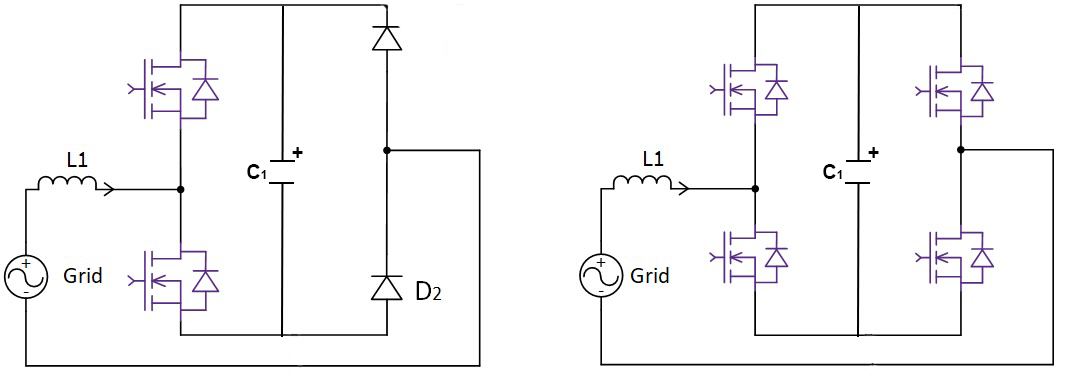
Figure 5. Redesigning the PFC stage in a semi-bridgeless (left) and bridgeless (right) totem pole configuration.
Similarly, the full bridgeless PFC topology using all SiC MOSFETs on both the fast and slow switching legs can improve system efficiency by 1.9% over a Si-based boost PFC. As demonstrated in Figure 6, in an 11 kW compressor system switching at 16 kHz, the total losses of the system can be reduced by more than 50% when using SiC compared to a silicon-based solution.
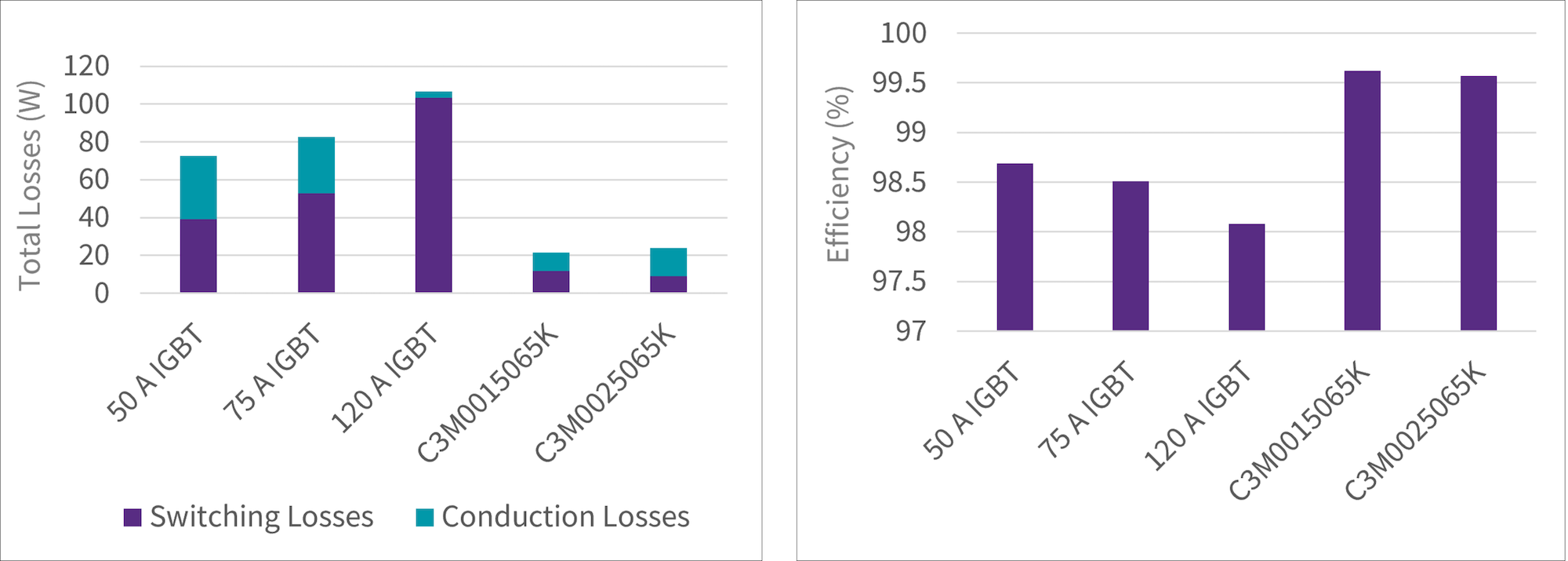
Figure 6. Motor driver losses for silicon vs. silicon carbide 650 V MOSFETs in an 11 kW, 16 kHz system operating at 50% load.
Silicon MOSFETs are not well suited to bridgeless PFC topologies due to their large reverse recovery (Figure 7), and silicon IGBTs exhibit high switching losses, requiring lower switching frequencies and larger magnetic components, resulting in a more costly solution.
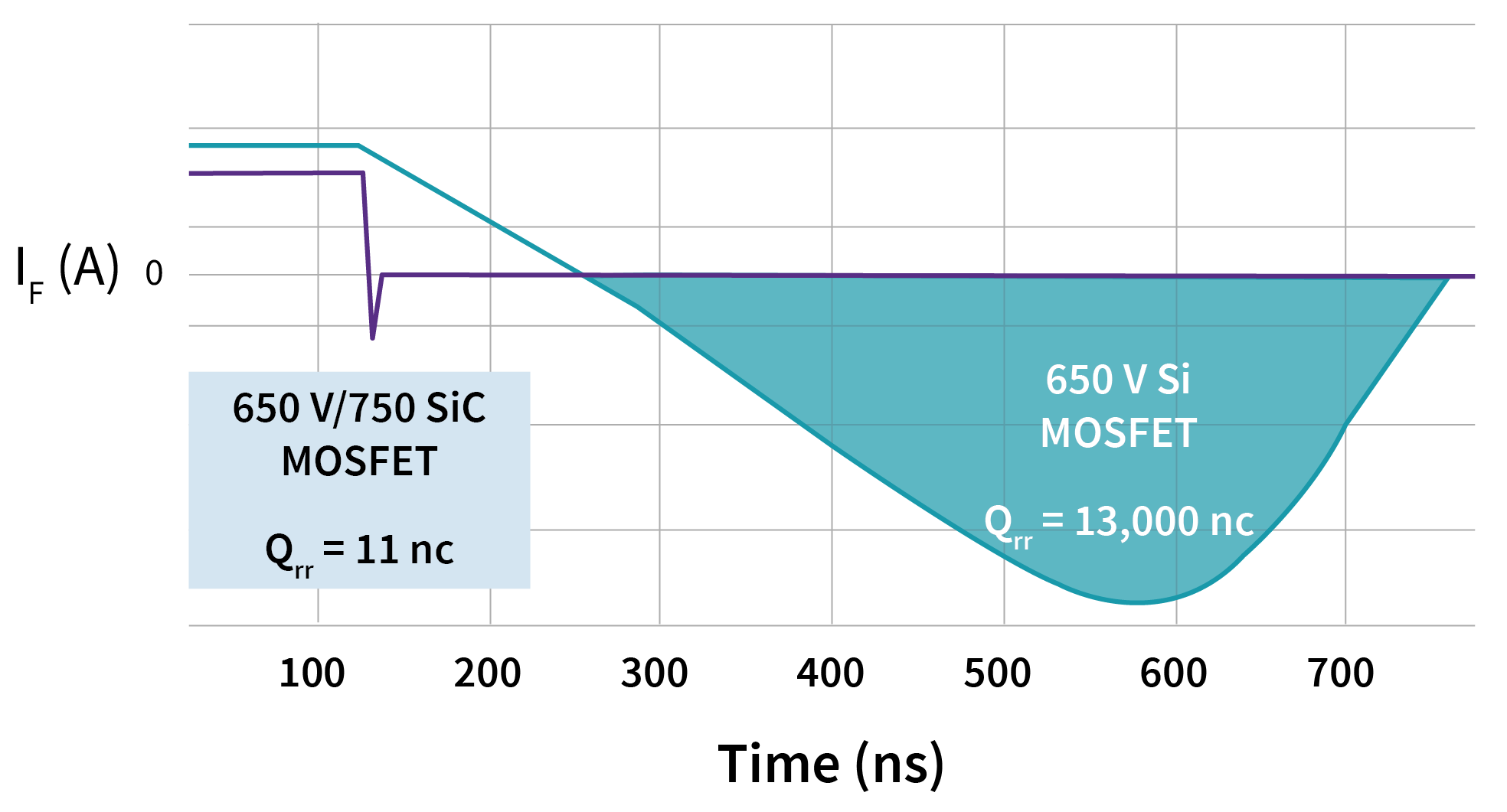
Figure 7. The small Qrr of Wolfspeed’s SiC MOSFET provides reduced switching losses.
Thanks to an improved switching performance and better thermals, this redesigned approach reduces audible noise and easily transitions new industrial motor installations from (International Efficiency) IE3 to IE4 and IE5 as per IEC60034-14 standard (Figure 8).
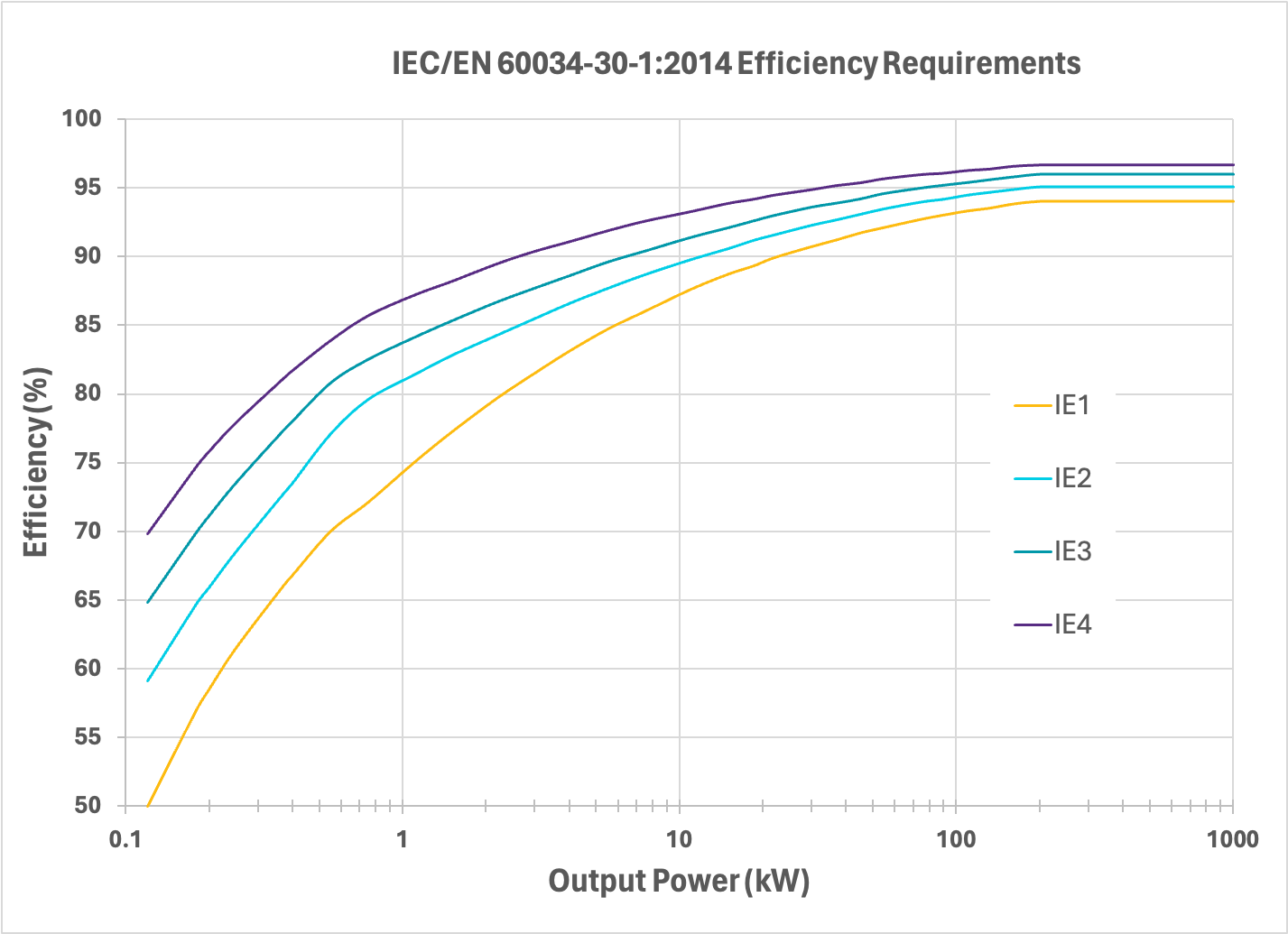
Figure 8. IEC standards for industrial motor drives.
Additional Gains in the Inverter Stage Redesign
The inverter stage, which comprises 6 switches, can be easily upgraded into a full SiC solution by replacing all the existing IGBT switches, as illustrated in Figure 9.
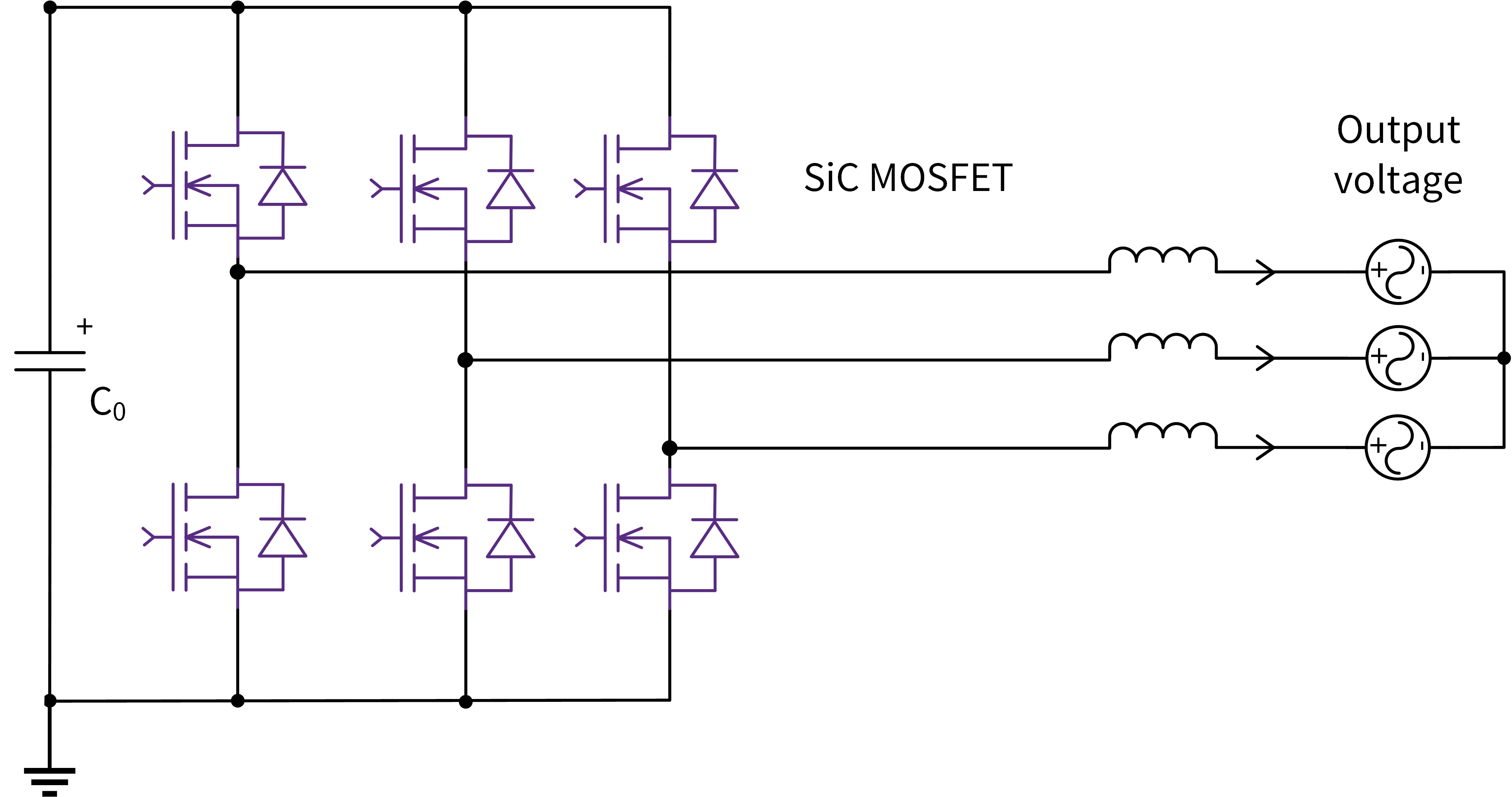
Figure 9. Replacing IGBT switches with SiC switches in the inverter stage. [click to enlarge]
Silicon carbide MOSFETs deliver the lowest conduction losses compared to typical IGBT solutions. Figure 10 illustrates conduction losses for a 1200 V Wolfspeed SiC MOSFET versus a legacy IGBT. SiC MOSFETs deliver a 50% reduction in conduction losses at a 30% load and a 30% reduction in conduction losses at a half load.
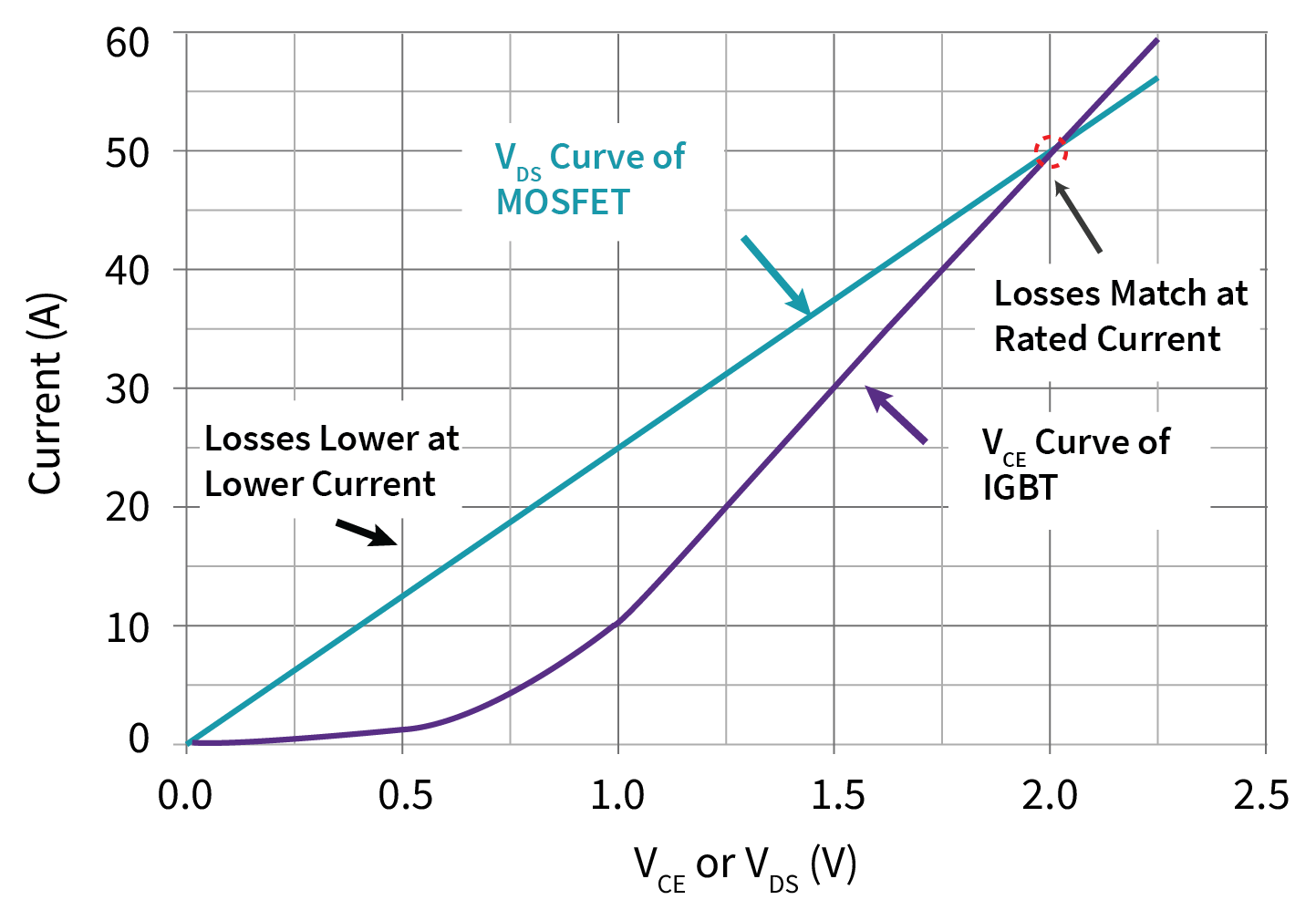
Figure 10. Conduction losses for Wolfspeed’s 1200 V 40 A SiC MOSFET vs a comparable IGBT. [click to enlarge]
When a 1200 V SiC MOSFET’s switching is compared with a typical 1200 V IGBT, the advantage of ultra-low switching loss is evident as there is no trail current visible during turn-off. This feature of a SiC MOSFET, in turn, provides up to 95% lower turn-off switching losses or 85% overall total switching losses (Figure 11).
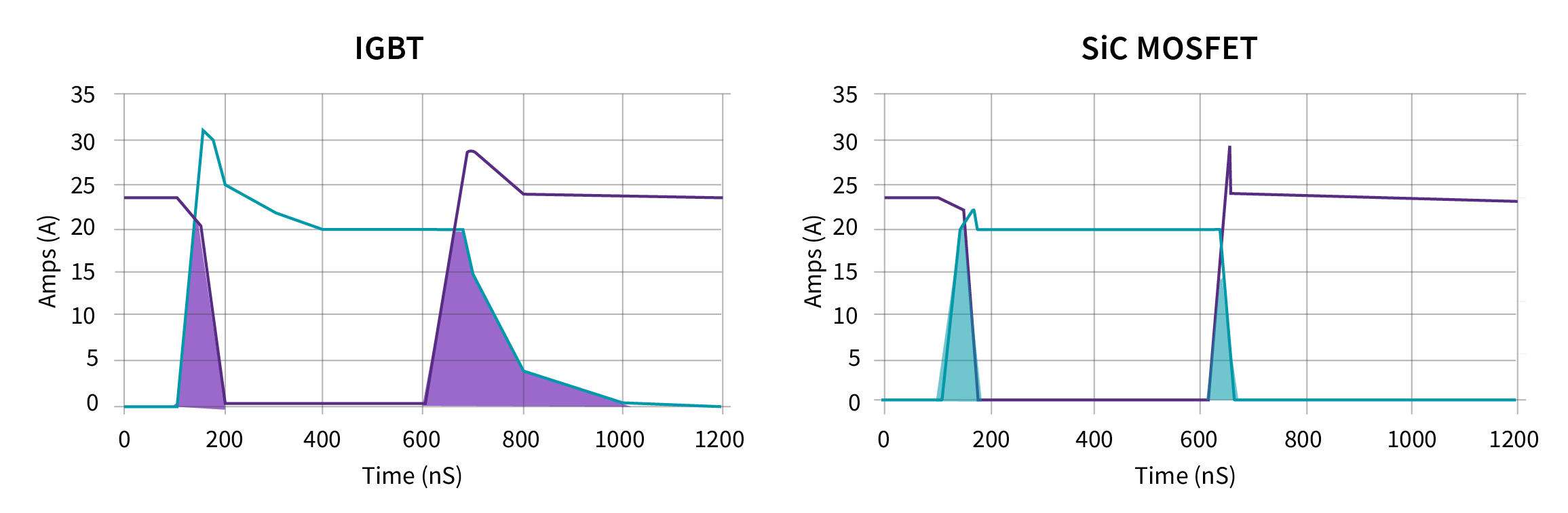
Figure 11. The IGBT tail current impacts the turn-off loss (right) vs the tail current being eliminated with 1200V SiC MOSFET. [click to enlarge]
Additional Savings With a Reduced Heatsink
In addition to consuming less power, SiC enables smaller and less expensive cooling designs in heat pumps and air conditioners due to improved thermal performance. For a 25-kW inverter operating at 8 kHz, using a six-switch power module such as Wolfspeed’s 6-switch WolfPACK compared to a similar IGBT module leads to an overall 77% size reduction in the heatsink and a 1.1% improved efficiency (Figure 12).
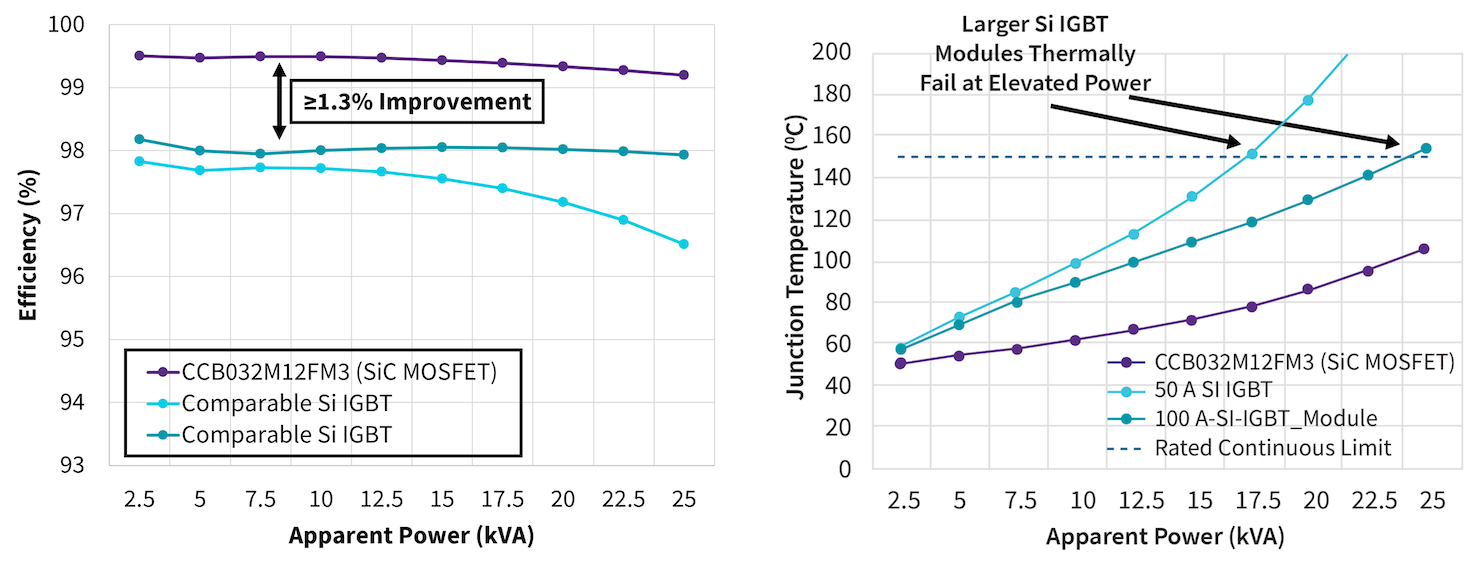
Figure 12. Heatsink size comparison between Wolfspeed’s WolfPACK and an IGBT solution. [click to enlarge]
This is on the inverter side alone, and when combined with a SiC-powered Totem Pole PFC, a combined efficiency of 2.6% can be observed (Figure 13).
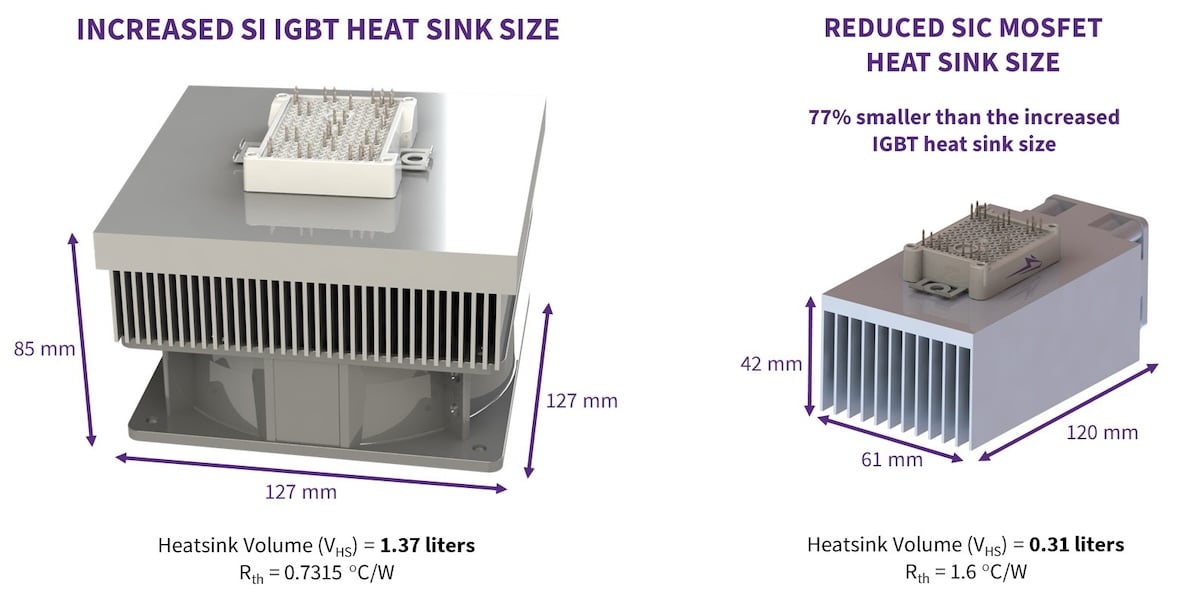
Figure 13. Efficiency and thermal comparison between Wolfspeed’s WolfPACK module and an IGBT solution.
SiC-based inverters significantly reduce system-generated heat, enabling designers to use smaller heat sinks and design smaller, lighter compressors for air conditioners and heat pump systems.
Design Support Tools to Lower the Barrier to Entry With SiC
Design support tools tailored to heat pumps and air conditioning can help lower the barrier to entry when designing with SiC. These tools enable engineers to design rugged and reliable systems with best-in-class power density, performance, and efficiency.
For example, Figure 14 demonstrates Wolfspeed’s recently released 11 kW high-efficiency inverter reference design (CRD-11DA12N-K). It features 75 mΩ 1200 V MOSFETs and allows system designers to test the advantages of SiC in heat pump and air conditioning compressor inverters. This design is characterized by thermals, inductance, and circuit operation and features a simple 2-level, 3-phase topology with customizable firmware.
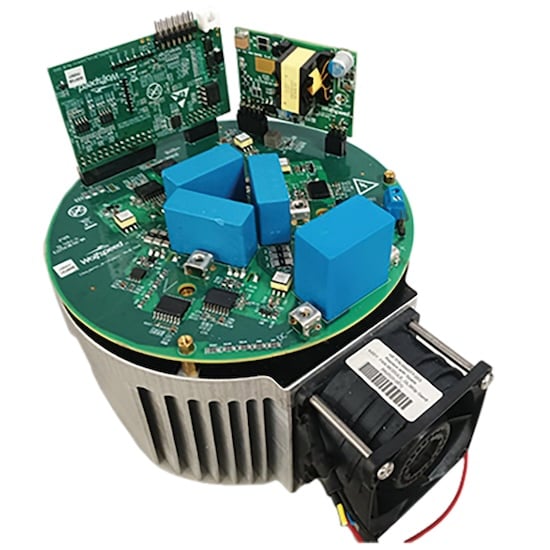
Figure 14. An 11 kW high-efficiency inverter reference design (CRD-11DA12N-K).
This inverter design can easily be upgraded to 20 kW by using a 40 mΩ 1200 V SiC MOSFET. When compared to an IGBT solution, the SiC solution outperforms an IGBT solution by up to 1.7% efficiency gains at 16 kHZ and up to 3.5% efficiency gain at 32 kHz, even when operating at lower dv/dt values to protect the motor (Figure 15).
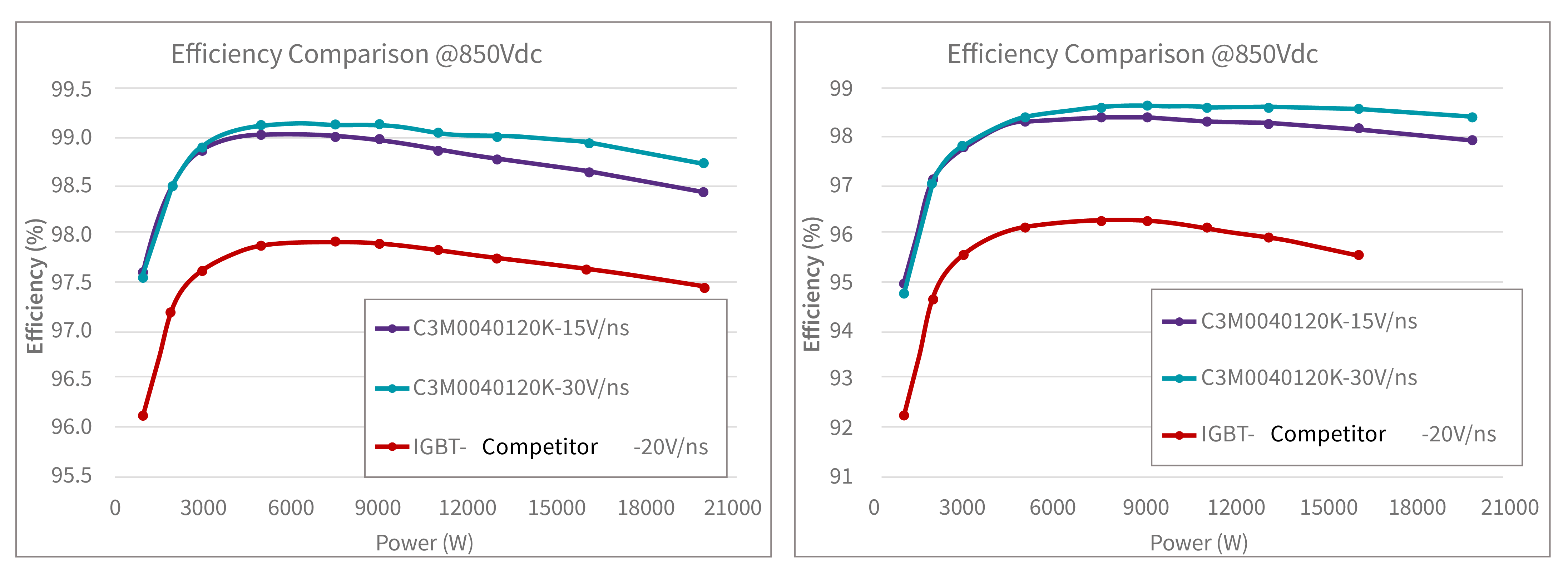
Figure 15. Efficiency gains using Wolfspeed’s 40 mΩ 1200 V MOSFET to comparable IGBT solution at 16 kHz (left) and 32 kHz (right). [click to enlarge]
In addition, the newly released SpeedVal Kit Modular Evaluation Platform Three-Phase Motherboard further speeds the transition from silicon to silicon carbide with a flexible set of building blocks for in-circuit evaluation of system performance (Figure 16).
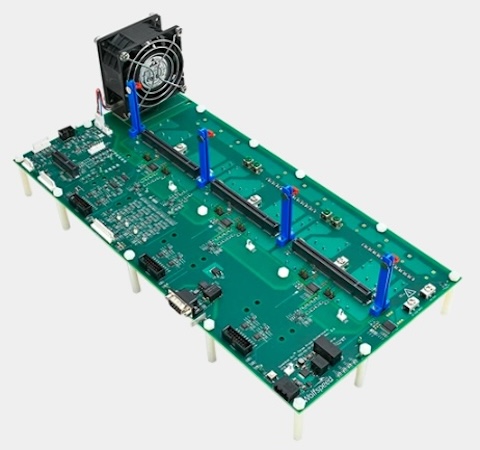
Figure 16. SpeedVal Kit modular evaluation platform three-phase motherboard.
Designed for industrial motor drives, heat pumps, and air conditioning systems, the SpeedVal Kit enables designers to rapidly evaluate and optimize silicon carbide MOSFETs paired with gate drivers from industry-leading partners. The 3-phase motherboard also enables precise control and firmware development with flexible control options to test simple static loads or advanced motor control functions.
Savings and Environmental Impact of SiC Upgrades
The environmental impact of upgrading heating and air conditioning systems with SiC in just the PFC and inverter is significant. For reference, with a three-phase 11 kW system, the consumer can expect to save at least 453 kWh of energy annually, or about €168 euros, and more than offset any increase in system cost.
These savings are especially significant when you look at the lifetime use of the unit. Assuming the system lasts 15 years, consumers will save 6800 kWh for a total savings of around €2,520 euro. According to estimates from the US EPA, this also translates to a 4.8 metric ton reduction in the CO2 released into the atmosphere, making SiC a more sustainable choice for designing next-generation heat pumps and air conditioners.
General Design Recommendations for a Cleaner Layout
We designing the PCM, it is recommended to avoid overlapping between the gate driver circuit and the drain of the MOSFET. This helps to reduce the risk of inducing external gate-drain capacitance, Cgd, in the gate drive power loop as shown at left in Figure 17.
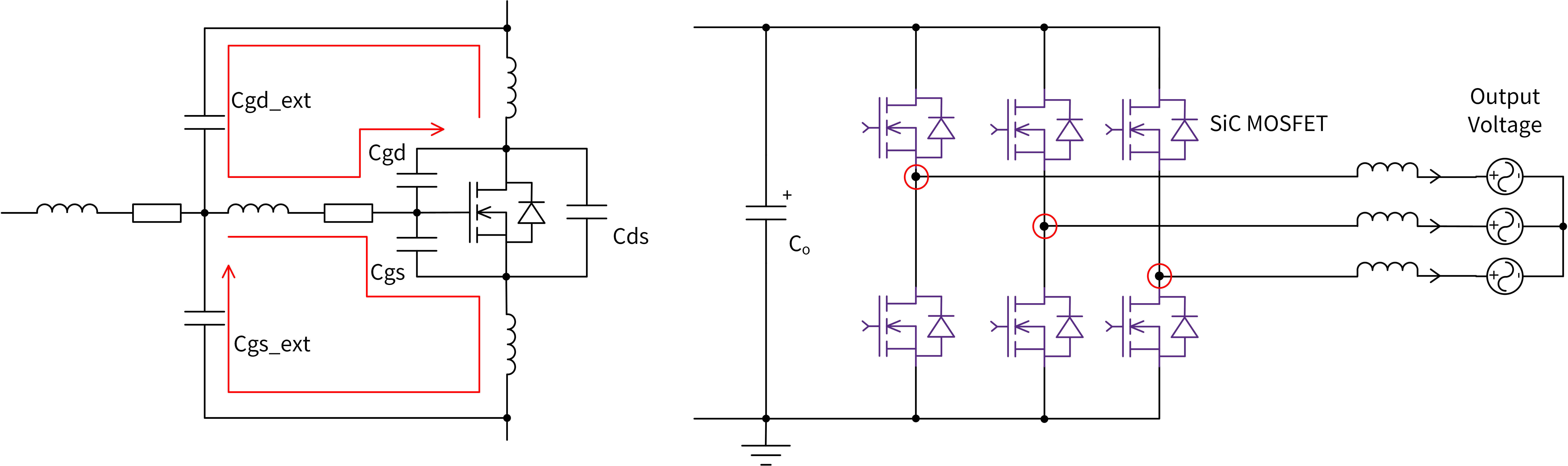
Figure 17. Typical gate drive loop of the MOSFET (left) and switch nodes in the inverter stage (right). [click to enlarge]
The benefits of incorporating this design recommendation include:
- Lower switching losses
- Reduced risk of gate oscillation
- Lower EMI
Another design recommendation is to keep sensitive signals away from the high dv/dt traces. In addition, reducing the size of switching node traces minimizes parasitic capacitance to the DC bus, which reduces switching losses and EMI concerns (Figure 16-right). Finally, minimize the gate loop for the gate driver circuit as much as possible, and place the external Cgs cap as close as possible to the MOSFET.
Turn to SiC for Improved Efficiency and Reduced Size
There is an ever-increasing desire to improve the efficiency of air conditioning and heat pump systems. Increasingly stringent efficiency standards are challenging traditional silicon IGBTs.
Silicon carbide provides an excellent alternative to silicon in both drop-in and redesigned systems while meeting new efficiency standards. System designers can realize significant efficiency gains by simply replacing silicon IGBTs with silicon carbide devices. Redesigning systems with silicon carbide can also enable significantly smaller overall systems thanks to up to 77% smaller heat sinks.
Feature image background used courtesy of Adobe. Unless otherwise noted, all other figures used courtesy of Wolfspeed.