Facebook
 Google
 GitHub
 Linkedin
Augmenting Car Sustainability with Flexible and Intelligent Power Control
The Software-Defined Vehicles (SDVs) transformation relies on the integration of electronic fuse control. It ensures safety and efficiency in managing vehicle electrical systems.
This article is published by EEPower as part of an exclusive digital content partnership with Bodo’s Power Systems.
Co-authors include Roberto Caputo, Application Manager, and Filippo Scrimizzi, Application Director, both of STMicroelectronics.
The automotive industry is shifting towards sustainability, driven by the innovative concept of Software-Defined Vehicles (SDVs). These vehicles leverage software integration and virtualization technologies to enhance functionality, connectivity, and autonomy. This innovation not only improves vehicle flexibility and user experience but also significantly contributes to sustainability efforts.
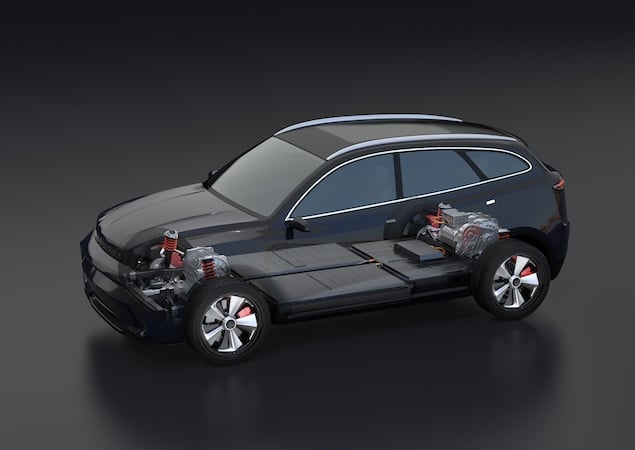
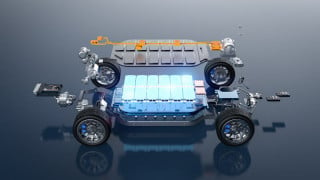
Image used courtesy of Adobe Stock
Traditional mechanical fuses are being replaced by electronic fuses, which offer precise and intelligent circuit management. They enable real-time monitoring of the vehicle’s electrical system, providing rapid fault detection and response to electrical anomalies, thereby enhancing safety and reliability. Additionally, electronic fuses controlled through the Serial Peripheral Interface (SPI) seamlessly integrate with the vehicle’s software, allowing for dynamic adjustments and remote diagnostics. This intelligent power control conserves energy and reduces waste, ensuring efficient vehicle operation.
Whereas hardware-driven I²t (current squared through time) protection curves provide a limited optimization of the wire protection to the load profile, SPI-based products offer a revolutionary approach. The fully programmable solution boasts a cutting-edge function that can be effortlessly configured by setting just two parameters: nominal current and time. This groundbreaking design provides unparalleled adaptability and performance, making the solution not only more efficient but also exceptionally capable of meeting the diverse and dynamic electrical protection needs of modern vehicles.
Power Management in Automotive
A notable advancement in this domain is the development of STi2Fuse intelligent electronic fuses fully programmable through an embedded SPI, which enables digital control and diagnostics.
This innovative capability offers significant advantages for power distribution and management in both conventional vehicles and innovative next-generation SDVs:
- Flexibility: Unlike competing electronic fuses that require physical modifications to change fuse curve levels, STi2Fuse products allow for easy adjustments through software. This eliminates the need to modify components on the board.
- Ease of Use: Users can simply update the fuse settings via a graphical user interface (GUI), streamlining the process and reducing the time and effort required for adjustments.
- Precision: The proprietary I2t function ensures that the fuse curve levels can be fine-tuned with high accuracy, providing optimal protection and wiring harness optimization.
The smart STi2Fuse switches are key components in automotive zonal architectures, where each zone safely receives the appropriate power through a Power Rail Switch (PRS) rather than relying on a centralized domain-based system, as shown in Figure 1.
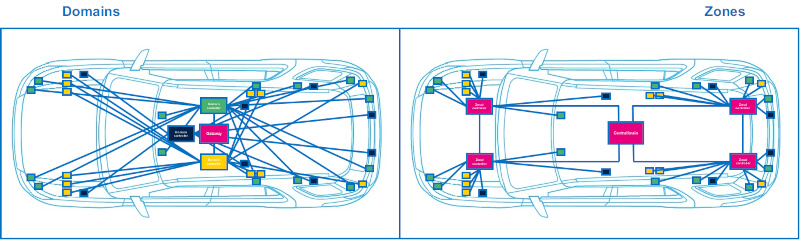
Figure 1. Automotive architectures (domain-based and zonal). Image used courtesy of Bodo’s Power Systems [PDF]
Each zone has its own control unit, simplifying wiring, reducing weight, and improving overall system efficiency, as illustrated in the block diagram for power distribution in Electric Vehicles (EVs) shown in Figure 2.
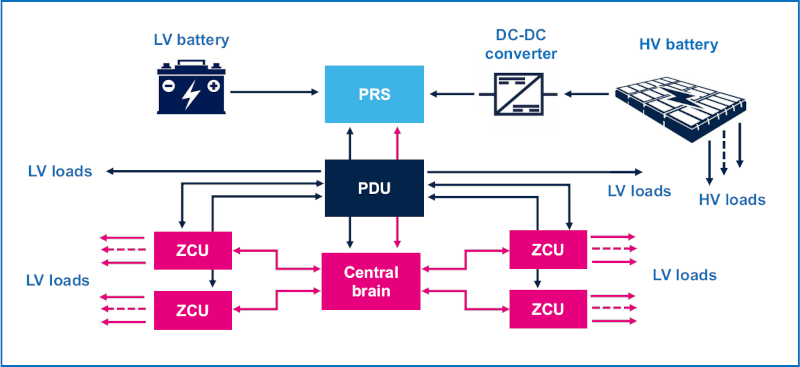
Figure 2. Block diagram for power distribution in EVs. Image used courtesy of Bodo’s Power Systems [PDF]
To withstand harsh current levels with high accuracy, reliability, safety, and resilience, PRS can be realized using smart STi2Fuse controllers driving high-current power MOSFETs in a back-to-back (B2B) configuration. This setup manages lines bi-directionally, as shown in Figure 3.
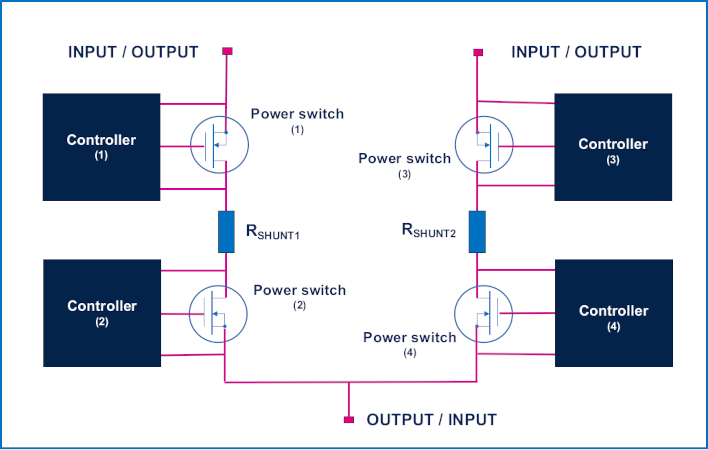
Figure 3. PRS block diagram in B2B configuration. Image used courtesy of Bodo’s Power Systems [PDF]
Four single-channel STi2Fuse controllers ensure safe power distribution, preventing overloading and potential damage to electrical components, thereby enhancing the reliability of the vehicle’s electrical system.
Experimental Results
A comprehensive performance analysis of the controllers is presented based on measurements on a complete solution that integrates both hardware and software. The evaluation boards used for the driver and power section are depicted in the following figures (Figures 4 and 5).
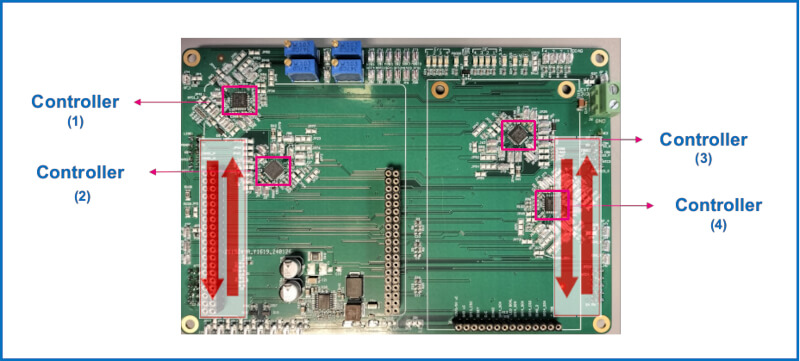
Figure 4. Evaluation board for the driver section. Image used courtesy of Bodo’s Power Systems [PDF]
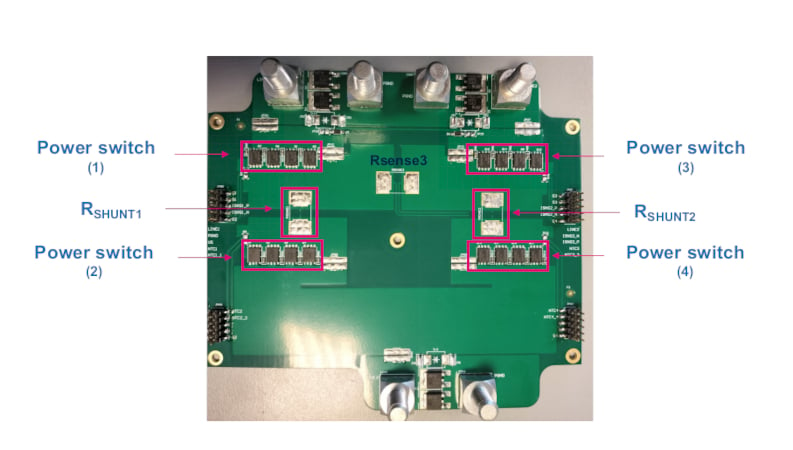
Figure 5. Evaluation board for the power section. Image used courtesy of Bodo’s Power Systems [PDF]
A thermal analysis has been performed on a single rail at the following conditions:
- VBAT = 12 V
- IRAIL = 100 A
where VBAT is the battery voltage and IRAIL the current flowing through the single rail.
The thermal maps for the rail components, specifically the power switches, shunt resistor, and connectors, are illustrated in Figure 6.
where:
2 indicates the RSHUNT2 resistor
3 the power switch 3
4 the power switch 4
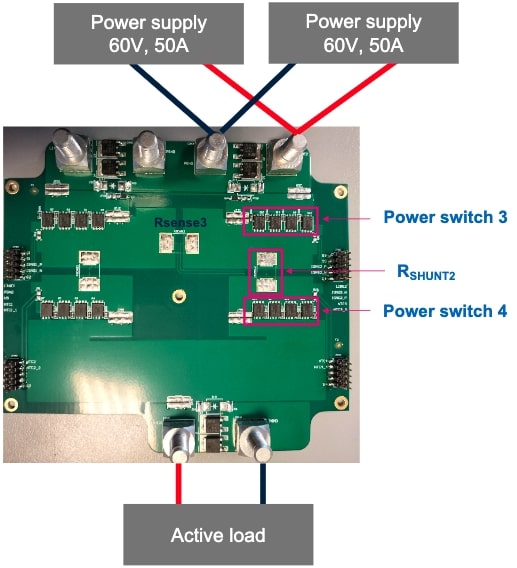
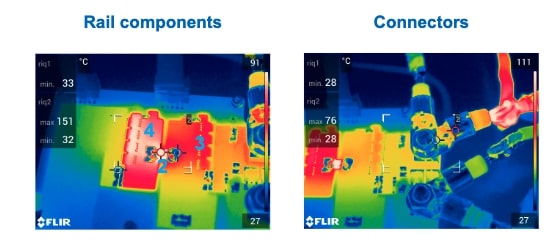
Figure 6. Thermal analysis of a single rail power stage. Image used courtesy of Bodo’s Power Systems [PDF]
Each power switch is composed of four power MOSFETs connected in parallel to manage the current. As a result, both power switches reach a temperature of approximately 85°C. This outcome highlights the effectiveness of the evaluation board in ensuring an equal distribution of the rail current through the two power switches.
The I2t function of the smart STi2Fuse switches has been tested to determine the level of protection provided to circuit components and wiring, by considering the following testing circuit (Figure 7).
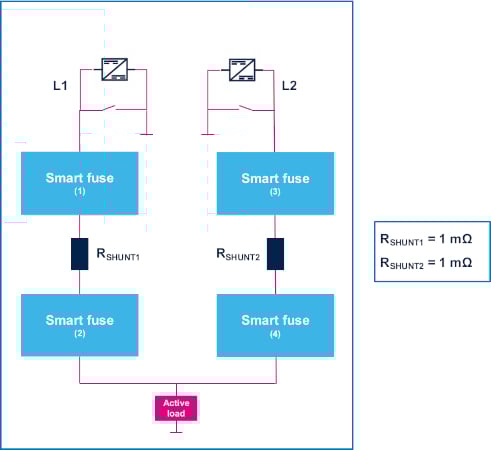
Figure 7. Testing circuit for the protection function. Image used courtesy of Bodo’s Power Systems [PDF]
If a short circuit condition occurs on both the L1 and L2 rail lines, the smart fuse devices will intervene to protect the load. The reaction time of these devices decreases as the overcurrent level increases. This response time is determined by the I²t curve configured within the smart fuses. The experimental data are reported in Table 1.
Table 1. Experimental data for smart fuses reaction times.
| Load overcurrent | Reaction time |
| 20 A | 31.6 ms |
| 30 A | 8.16 ms |
| 85 A | 10 µs |
The measured voltage and current waveforms that illustrate the behavior of the smart fuses in rail line L2 with a load overcurrent equal to 30 A are shown in Figure 8.
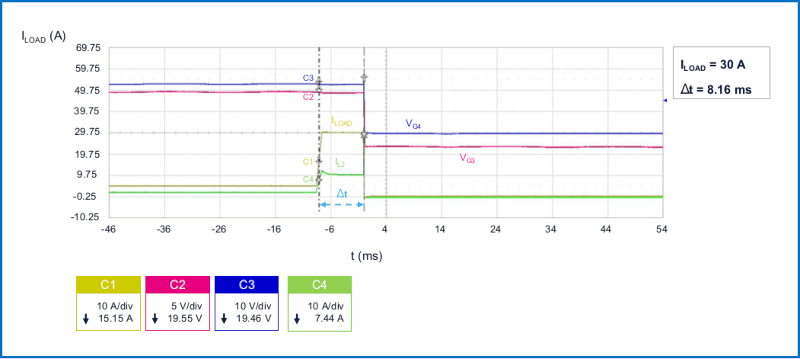
Figure 8. Measured waveforms with rail short circuit conditions. Image used courtesy of Bodo’s Power Systems [PDF]
Upon detecting a short circuit condition, smart fuse 4 triggers the power switch to latch off, causing the gate voltage (VG4) to drop to a low level. Consequently, the increased drain-source voltage (VDS3) of smart fuse 3 causes its gate voltage (VG3) to also drop to a low level. This action opens rail L2, resulting in the current in rail L2 dropping to zero. A similar behavior is observed in rail line L1. As a result, the load current is reduced to zero, effectively protecting the load. This entire sequence of events occurs within a few milliseconds.
Additional failure events can directly involve the circuit load. In such cases, if the current detected on both rails exceeds the softwaredefined short circuit threshold, both lines will be switched off, blocking the current flow thanks to the back-to-back body-drain diode of the two power switches.
If only one of the two rails is shorted, to fulfill the safety requirements of the connected load and simultaneously avoid the still operative DC-DC converter feeding the short circuit itself, the PRS detects the overcurrent on the involved rail, disconnecting it and allowing the permanent biasing condition for the critical safety load.
Conclusions
A comprehensive performance analysis has confirmed the effectiveness of the STi2Fuse switches in real-world scenarios. These intelligent electronic fuses revolutionize power management in automotive applications with their unmatched flexibility, precision, and rapid response. STi2Fuse switches are essential for enhancing the safety, reliability, and efficiency of modern vehicles. Their integration into automotive zonal architectures underscores their critical importance in advancing vehicle electrical systems.
References
[1] STi2Fuse - smart switches for wire harness protection
[2] H. Jang, C. Park, S. Goh, S. Park, Design of a Hybrid In-Vehicle Network Architecture Combining Zonal and Domain Architectures for Future Vehicles, 2023 IEEE 6th International Conference on Knowledge Innovation and Invention (ICKII), 11-13 August 2023.
[3] H. Askaripoor, M. Hashemi Farzaneh, A. Knoll, E/E Architecture Synthesis: Challenges and Technologies, Electronics 2022, 11, 518.
[4] M. Popa, O. Luca, Overcurrent Protection for Auxiliary Loads in Electric Vehicles with E-Fuse, 2022 IEEE 20th International Power Electronics and Motion Control Conference (PEMC), 25-28 September 2022.
This article originally appeared in Bodo’s Power Systems [PDF] magazine and is co-authored by Giusy Gambino, Marketing Communication Specialist, Roberto Caputo, Application Manager, and Filippo Scrimizzi, Application Director, all STMicroelectronics.