Facebook
 Google
 GitHub
 Linkedin
Autonomous Energy Systems Turn Grid Management Upside Down
Autonomous energy systems use artificial intelligence to integrate renewable energy and strengthen grid resilience.
Renewable energy, rooftop solar, vehicle-to-grid charging, and other distributed energy sources (DER) are transforming the power grid. While electricity once steadily flowed one way—power plant to users—it now originates from decentralized sources that can be inconsistent and unpredictable.
Learn more about autonomous energy systems and DERs. Video used courtesy of NREL
Smart grid technologies can smooth out fluctuations and simplify grid management, but it’s an ongoing task to accommodate multiple DERs. The National Renewable Energy Laboratory (NREL) suggests embracing decentralization and using autonomous energy systems (AES) may be the solution. Autonomous energy systems use algorithms to adjust the grid to fluctuations, optimize energy flow, and increase reliability.
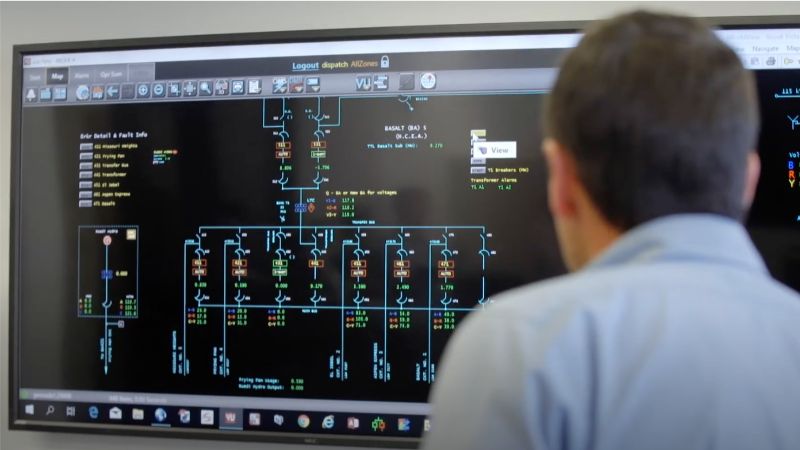
NREL provided algorithms and analysis to design an autonomous energy grid in Colorado. Image used courtesy of NREL
Why Use Autonomous Energy Systems?
Traditionally, grid management has viewed energy supply and demand from the top down, from generation to transmission to users. This system has worked well for decades, but the grid’s modern complexity has created challenges. NREL has identified the major issues:
- Renewable energy sources: Wind and solar experience daily, seasonal, and weather-related fluctuations.
- Intermittent energy demand: Electric vehicle charging can create unexpected demand, especially if numerous vehicles, such as electrified fleets, charge simultaneously. Additionally, buildings, microgrids, and community grids use renewable energy but rely on grid power at night or in inclement weather.
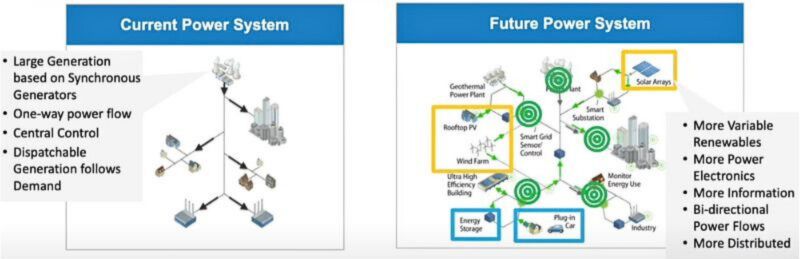
Traditional vs. future grid management. Image used courtesy of NREL
- Inverter-based resources: Large-scale renewable energy generation (solar and wind farms) and user-based sources that feed into the grid (rooftop solar, vehicle-to-grid charging) use inverters for grid integration. However, these inverters vary in interfaces and communication, causing interoperability issues.
- Smart grid technologies: Smart grids can resolve grid problems, but they can also create them. Many companies manufacture controls, sensors, data analysis systems, and other tools, raising interoperability issues.
- Cybersecurity: As DERs increase, so do cybersecurity risks. Each resource becomes a potential entry point for cyberattacks or malware that can disrupt grid operations or cause outages.
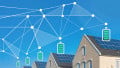
The autonomous energy solutions (AES) approach turns grid management upside down by considering the grid as a collection of cells that generate and/or use energy. The cells are then aggregated into larger cells, forming a full grid picture.
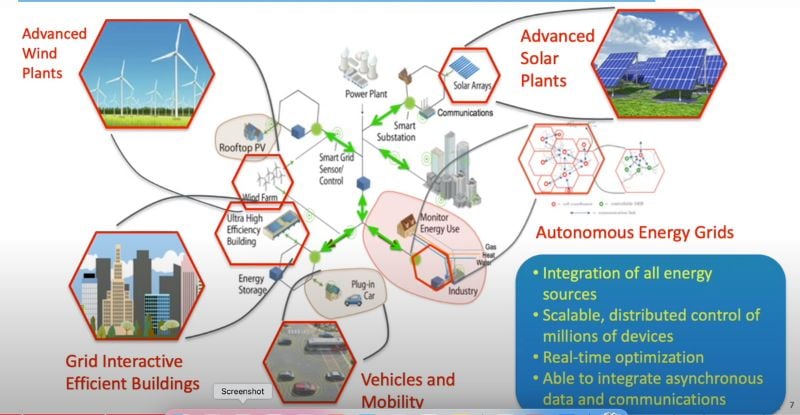
Traditional grid management vs. AES. Image used courtesy of NREL
Artificial intelligence and machine learning process and analyze data in seconds, providing near-instantaneous information and automatically adjusting to changes. AES can streamline interoperability and detect and prevent faults and failures.
Applying AES
NREL has applied AES in several real-life projects. In each case, tools and methods were customized for the cell’s specific needs and characteristics.
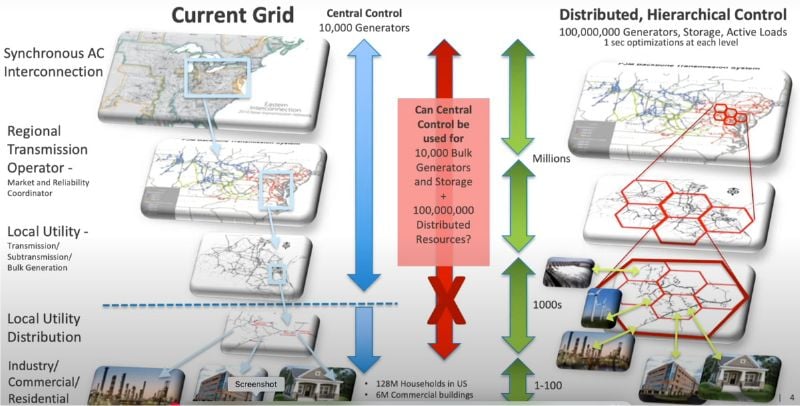
AES management of grid cells. Image used courtesy of NREL
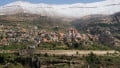
In Basalt, Colorado, NREL worked with the local utility, Holy Cross Energy, to autonomously manage a sustainable, affordable housing community. The mountainous location is near Aspen but miles away from transmission lines. It experiences risks from extreme weather and wildfires. The community wanted to use renewable energy but needed a resilient grid connection. The newly built homes used combinations of rooftop solar panels, EVs, and battery energy storage systems.
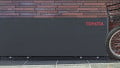
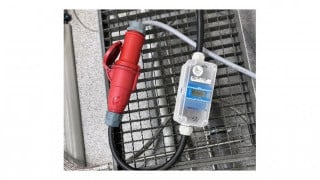
NREL employed its Network Optimized Distributed Energy Systems (NODES), which it had tested at its Energy Systems Integration Facility. NODES is comparable to a virtual power plant, in that it uses algorithms to balance load and demand. In Basalt, NREL and Holy Cross installed controllers inside the homes and in weatherproof casing outdoors. The controllers run NODES algorithms to automatically manage the homes’ DERs. The system adds resiliency to the homes and the utility’s grid.
Scaling Up
The Basalt project started with just a few homes but expects a full buildout of 27 houses. NREL states the NODES system will easily scale up and is ready for larger systems.
NODES is just one approach to using AI and AES tools to optimize power flow and streamline operations. As energy becomes more decentralized, solutions like AES will become increasingly essential.