Facebook
 Google
 GitHub
 Linkedin
Wind Powerhouse: Siemens Gamesa’s 15 MW Giant
Siemens Gamesa’s SG 14-236 DD generates more power with fewer moving parts.
Spain-based Siemens Gamesa has secured type certification for its SG 14-236 DD model, the largest offshore wind turbine in its portfolio. With a 14 MW nameplate output, the series represents one of the industry’s most powerful offerings. A power boost function pushes the capacity to 15 MW, meeting the demand for more electricity generation with fewer turbines.
Compared to its 11 MW predecessor, SG 14-236 DD adds 30% more annual energy production (AEP) thanks to the 774-foot rotor diameter. The 377-foot-long blades spin across a swept area of 43,500 square meters. One rotation can power a household for three days.
Offshore wind turbine manufacturers are gunning for even larger units as the market presses for higher power ratings.
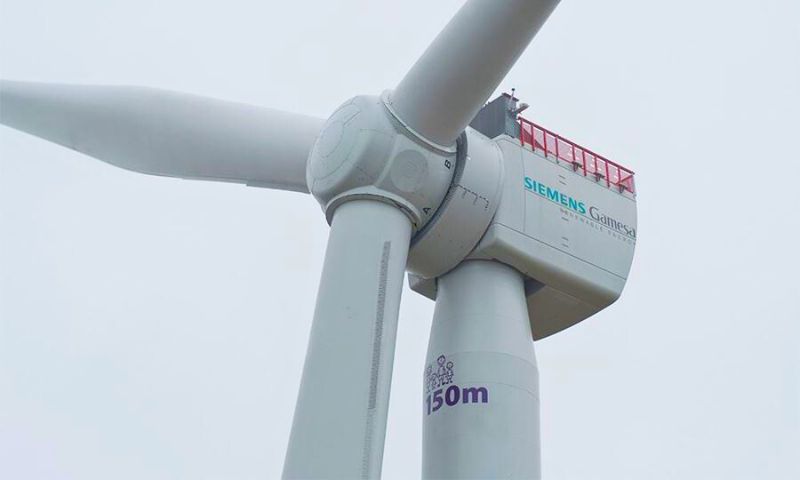
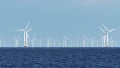
Siemens Gamesa’s new SG 14-236 DD offshore wind turbine. Image used courtesy of Siemens Gamesa
Gearless Direct Drive and Recyclable Blades
The certification, issued by TÜV Nord, follows more than a year of testing at the Østerild Wind Turbine Test Field in northern Denmark, where Siemens Gamesa installed the prototype.
Type certification typically starts with an independent design evaluation covering load assumptions, component characteristics, and safety mechanisms. TÜV Nord then conducts a manufacturing assessment to confirm quality assurance and compliance with the certified design. Before the final evaluation, the organization accompanies manufacturers to ensure turbines function safely and correctly in all operating conditions.
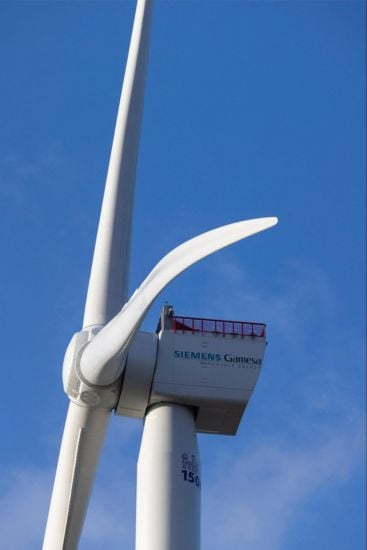
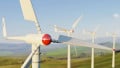
The SG 14-236 DD offshore wind turbine. Image used courtesy of Siemens Gamesa
Siemens Gamesa’s latest generation of offshore wind solutions includes fewer moving parts as the company transitions away from geared turbines. Its direct drive design uses a permanent magnet generator to push loads without excitation or extra components, thus reducing maintenance needs.
SG 14-236 DD is stronger than previous generations. Siemens Gamesa’s IntegralBlade process casts fiberglass-reinforced epoxy blades simultaneously in one piece, preventing weak joints. Siemens Gamesa also added a High-Wind Ride Through system to stabilize outputs when wind speeds exceed 25 meters per second, triggering a slow ramp-down for smoother production.
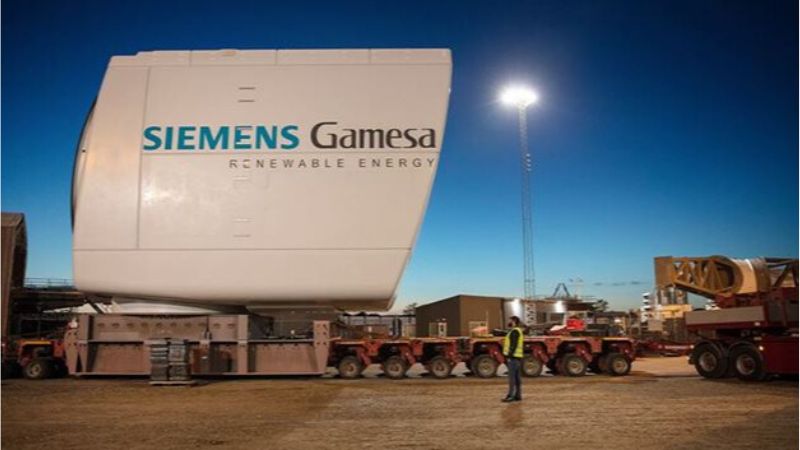
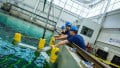
The nacelle of SG 14-236 was assembled at a test center in Denmark. Image used courtesy of Siemens Gamesa
Decommissioned blades can get a second life in other applications. Siemens Gamesa’s RecyclableBlade production process adds a resin that separates the plastic, metals, fiberglass, and wood after the dismantled blades are immersed in a mild acidic solution.
High-Profile Projects To Commission SG 14-236 Turbines
Among the latest projects is Iberdrola’s 315-MW Windanker project in the German Baltic Sea, recently securing 21 units. An additional 63 turbines will be delivered to the 945 MW Gennaker development 9.3 miles off Germany’s coast. This is an upgrade from the developer’s initial plans for 103 SG 8.0-167 DD units.
The 1.1 GW Thor offshore wind farm in Denmark’s section of the North Sea will also feature the new model. The 72 turbines will power more than 1 million homes. The site is expected to become operational in 2027. Forty of the project’s 72 turbines will be equipped with recyclable rotor blades, made possible by Siemens Gamesa’s specialized resin, which allows materials to be reused in casting for other industries, like automotive and consumer products.
Siemens will also supply 100 14.4-MW turbines for Bałtyk II and Bałtyk III in the Baltic Sea, scheduled for commissioning in 2027. The pair of projects, totaling 1.44 GW of capacity, will power more than 2 million households in Poland.
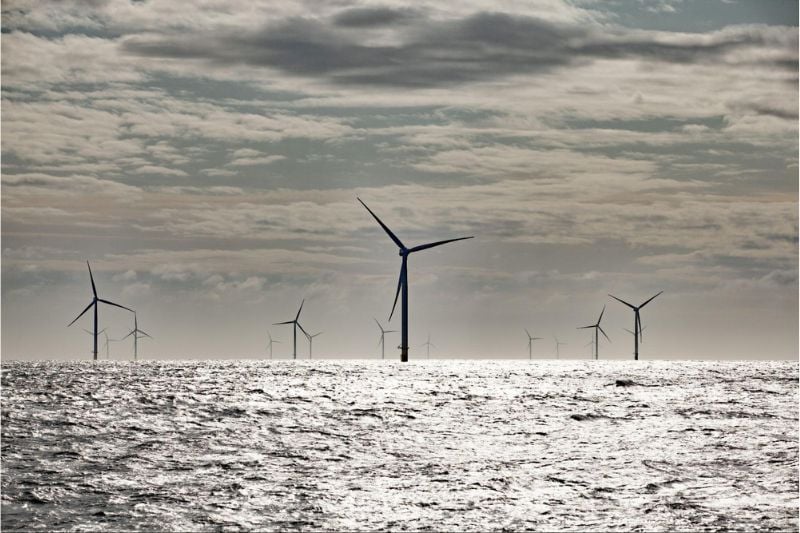
The U.K.’s Hornsea 1 project entered commercial operation in 2020, with 174 Siemens Gamesa turbines supplying 1.2 GW of capacity. Image used courtesy of Ørsted
Meanwhile, in the U.K., Ørsted selected Siemens’ 14 MW turbines for its 2.9 GW Hornsea 3 project 99 miles off the Yorkshire coast, the third gigawatt-sized development following the first two phases (1.2 and 1.3 GW each). Commissioning is scheduled for the end of 2027.
Another 95 SG 14-236 DD units will be installed at the 1.4 GW East Anglia-3 development, part of the 2.9 GW East Anglia Hub in the North Sea. Once completed in 2026, the site will generate power for 1.3 million homes. Siemens Gamesa will also provide a system to convert AC generated by the turbines into DC for transmission to the coast. A separate land-based converter will transform power back into AC for the grid.
Siemens Gamesa is far from the only competitor marketing similar specifications. Vestas introduced a 15 MW model in 2021 with a 774-foot rotor diameter. GE Vernova’s Haliade-X turbine was designed in 2019 and certified in 2022, offering 14.7 MW of capacity and a 722-foot rotor. SG 14-236 DD is suitable for high and low wind markets, making it attractive for various offshore wind projects underway in Europe.