Facebook
 Google
 GitHub
 Linkedin
Betting on Blades: Wind Technology Roundup
Developments include turbine yaw and a “jack-up on jack-up” concept for offshore turbine repair.
Wind turbines are intermittent energy sources requiring careful management to navigate ever-changing wind scenarios. Challenges become more complex as wind power joins other distributed energy resources in the digitalized power grid.
Explore this concept of a floating “virtual factory” for wind turbines. Video used courtesy of Knud E. Hansen
Two notable advancements could ease management and repair processes across digitally connected wind farms. An international renewable energy company has developed a technology to improve wind turbine efficiency. In Denmark, naval architects have designed a “virtual factory” for offshore wind turbine maintenance aboard shipping vessels.
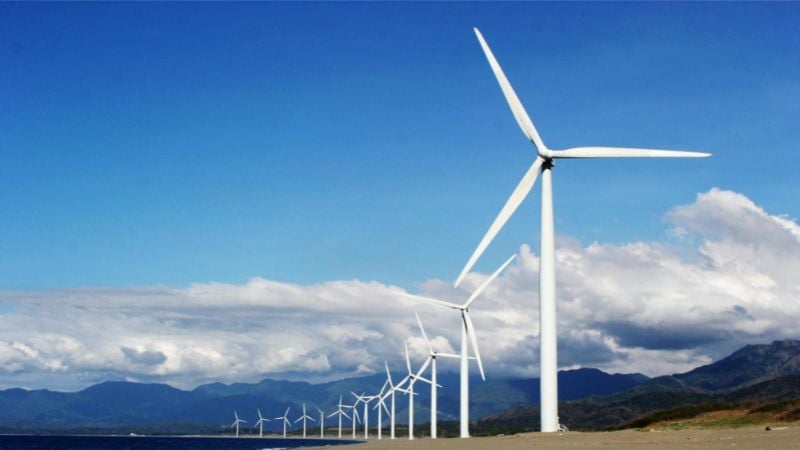
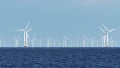
Wind farm. Image used courtesy of Pexels
Dynamic Yaw for Wind Turbine Efficiency
RES (Renewable Energy Systems) has teamed up with the National Renewable Energy Laboratory to develop a technology for optimizing wind turbines, known as Dynamic Yaw. This technology enables wind turbine owners to optimize the overall energy output by using turbine data and automation better.
In current approaches to wind turbine output, operators use local wind data to operate wind turbines individually. This information is not typically shared across wind farms, leading to reduced efficiency and increased stress on the turbines.
Dynamic Yaw technology takes a systems approach to assess how each wind turbine on a wind farm can share data so that the whole farm can work in unison to produce a greater output. The technology is a software-based product that interacts with the existing hardware in wind turbines, targeting the yaw system of the turbine—which is the component that controls the orientation of a turbine to face the wind.

Dynamic Yaw works with the wind turbine yaw system. Image used courtesy of the Department of Energy
The Dynamic Yaw system uses control and wake steering methods to improve yaw decision-making, improving performance and efficiency. The company states that this approach improves the wind farms’ overall energy efficiency to the equivalent of adding an extra one to three turbines in a 100-wind turbine farm. The yaw control reduces yaw activations by responding to any short-term turbulence, reducing the wear on the turbines, and improving their longevity.
RES tested the technology for several years on wind turbines in the U.K., but it can be installed on any turbine worldwide. The company will initially target customers in the U.S. to improve energy and supply chain efficiencies by maximizing the energy for each renewable asset.
Virtual Factory for All-Weather Offshore Wind Turbine Repair
Danish naval engineering company Knud E. Hansen designed the virtual factory concept to provide enhanced maintenance capabilities to offshore wind farms.
The ship-mounted wind turbine maintenance platform has four legs and is 15 meters wide. Based on a “jack-up on jack-up” concept, the platform can be elevated to the height of the turbine’s nacelle—where the turbine blades are located—providing a safe area for maintenance workers to perform any repairs without needing hazardous rope access.
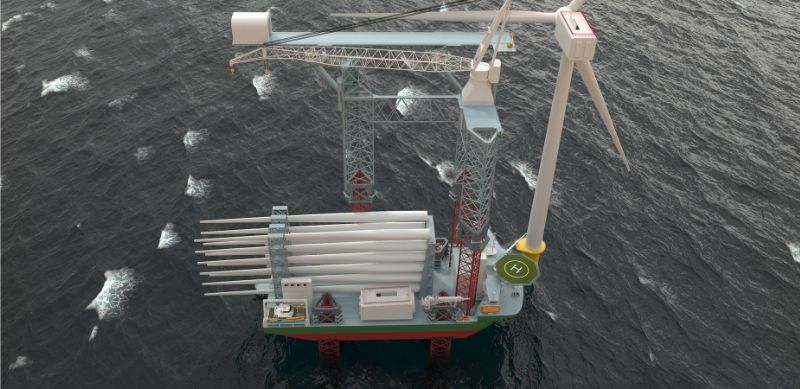
“Jack-up on jack-up” concept for offshore turbine repair. Image used courtesy of Knud E. Hansen
A telescopic weather cover fits around the platform, enabling engineers to work on the turbine blades day and night and in all weather conditions. Turbine maintenance often relies on good weather to perform repairs, which can lead to longer downtimes. The virtual factory also allows maintenance teams to work more hours on maintenance projects without needing to factor in weather conditions. With the virtual factory, removing the damaged blades from the site to shore for repairs is unnecessary, thus reducing transportation time and repair costs.
Generally, the larger and more powerful the turbine, the more challenging the maintenance becomes. This new maintenance platform can service 20 MW turbines, with blades sized up to 426.5 feet and 1000-ton nacelles at hub heights of up to 575 feet. The vessel with the virtual factory is 505 feet long and 210 feet wide. It can manage wind turbines at depths up to 262 feet. These size and weight parameters allow the virtual factory to work on any wind turbine in use today.
Both Advancements Looking to the Future
While in completely different areas, both developments have wind turbines’ future in mind. RES is developing advanced data and connectivity capabilities that will be crucial in the era of smart grids. Knud E. Hansen has developed a system that can handle the largest turbines in the renewable sector and provide enhanced maintenance capabilities for offshore wind farms for years to come.