Facebook
 Google
 GitHub
 Linkedin
Vermont Project Will Turn Farm Waste into Renewable Natural Gas
Clean Energy Technologies’ 2.2 MW Vermont Renewable Gas facility will turn agricultural waste into renewable synthetic gas and baseload clean power using pyrolysis and gasification.
Agricultural and food waste produce methane, a potent greenhouse gas that contributes heavily to near-term climate impact. Turning that waste into renewable natural gas, or RNG, traps methane before it leaks and uses it to make heat, power, or fuel. New waste-to-energy systems are pushing further, building smaller local setups that cut emissions, create jobs, and feed renewable gas into today’s pipelines without major changes.
In Vermont, Clean Energy Technologies, Inc. (CETY) is proposing a 2.2 MW agricultural waste-to-energy plant using advanced pyrolysis and gasification to convert farm biomass into renewable synthetic gas for continuous power generation. The Vermont Public Utility Commission has approved the facility's final permitting phase near Lyndon. Developed by Vermont Renewable Gas, LLC, a CETY affiliate, the plant will supply steady renewable power to the grid and support Vermont’s plan to reach 100% clean electricity by 2035.
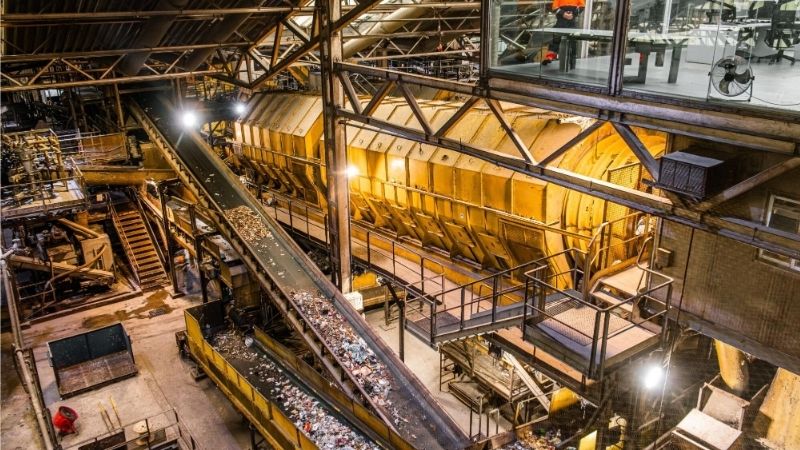
Inside a waste-to-energy plant. Image used courtesy of Adobe Stock
From Agricultural Waste to Renewable Gas
The Vermont project centers on turning farm waste, such as crop residue and manure, into a clean-burning gas for heat or power. Older biogas setups rely on anaerobic digestion, a slower biological process that takes longer to break waste down. This system instead uses pyrolysis and gasification, high-heat methods that break down organic material with little oxygen. The process produces a renewable synthetic gas, or syngas, made mostly of hydrogen, carbon monoxide, and traces of methane.
Once purified, this gas behaves much like natural gas, which can be used in combined heat and power units, injected into gas pipelines, or converted to other energy carriers. The system also produces biochar, a carbon-rich byproduct that can be used as a soil enhancer while storing carbon that would otherwise enter the atmosphere. This closed-loop design allows agricultural waste streams to become a continuous renewable energy source and long-term carbon sequestration.
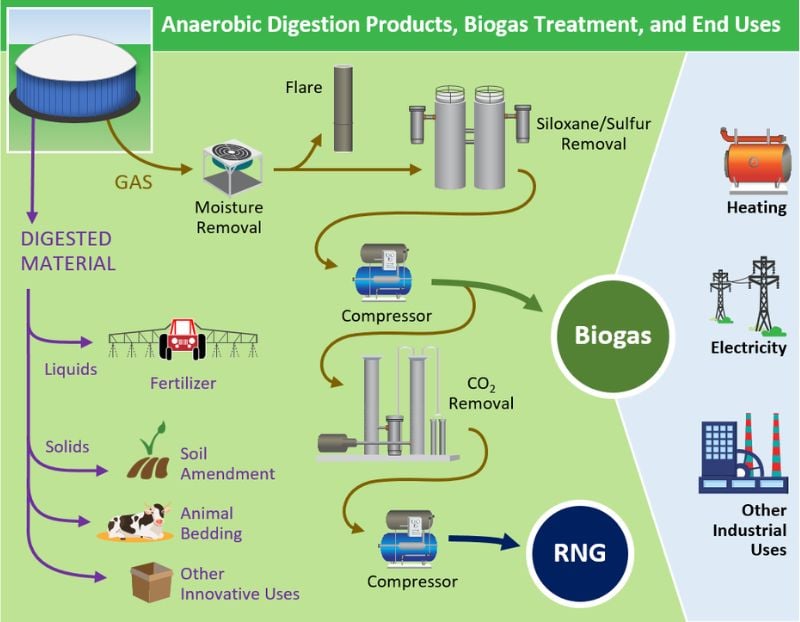
The process of creating renewable natural gas. Image used courtesy of Environmental Protection Agency
Engineering and Environmental Benefits
CETY’s renewables group will provide the engineering, procurement, and construction work for the Lyndon site under a $12 million contract. Once the plant is operational, it should supply about 2.2 MW of steady renewable power to Vermont’s grid and cut methane emissions from local farms. Each ton of processed waste lowers direct methane release and avoids the need for fossil-based energy production, multiplying the project’s overall climate benefit.
Beyond emissions reduction, the facility brings practical advantages to the region’s farms and small industries. By turning waste into energy, farms gain a new revenue stream and reduce disposal costs. The project is also expected to create local jobs, strengthening the economic base in the Northeast Kingdom region of Vermont.
Understanding Renewable Natural Gas
RNG, sometimes called biomethane, is chemically similar to conventional natural gas but sourced from renewable feedstocks such as livestock waste, food waste, or wastewater. It is produced when raw biogas is refined to remove water vapor, carbon dioxide, and other impurities, leaving mostly methane. According to the U.S. Department of Energy, RNG can be used in the same pipelines and combustion systems already designed for fossil natural gas, making it one of the easiest renewable fuels to integrate.
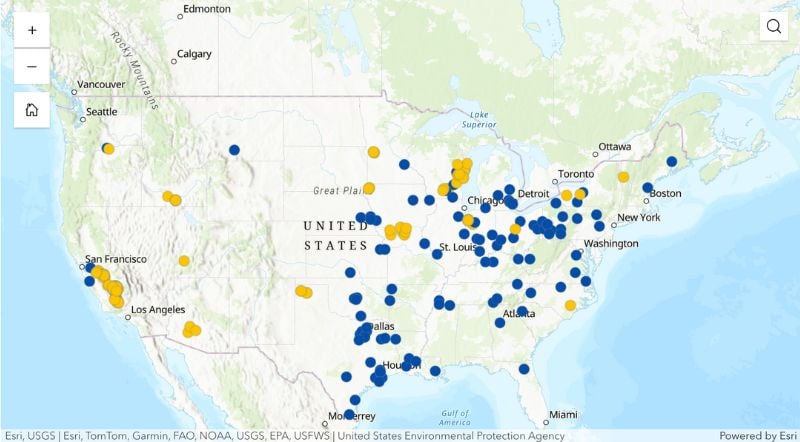
Locations of landfill gas and agricultural renewable-energy projects across the United States. Vermont’s new Renewable Gas facility adds a key site in the Northeast. Image used courtesy of EPA
RNG projects like VRG-Lyndon capture methane that would otherwise escape into the air. Since methane has a global warming potential over 25 times higher than carbon dioxide, capturing and repurposing it as energy can immediately impact emissions reduction. In addition to power generation, RNG is increasingly used as a low-carbon vehicle fuel and a feedstock for green hydrogen production.
Waste-to-Energy Outlook
Clean Energy Technologies’ Vermont Renewable Gas project highlights how waste-to-energy systems can tie local agriculture to national clean-power goals. Using high-efficiency pyrolysis and gasification, the plant shows a practical way to turn organic waste into steady, carbon-negative power. As it moves from permits to construction, the project points to a wider move toward local clean-energy systems built near the waste source and the power users.