Facebook
 Google
 GitHub
 Linkedin
Meta Goes Underground for Data Center Solutions
Can Sage Geosystems help Meta power its data centers more sustainably?
Data centers are notorious energy users, and their needs are growing. Goldman Sachs predicts data centers will account for 8% of U.S. power consumption by 2030. Sustainability is also a concern, and many scientists are researching how to shift away from fossil fuel-powered data centers and toward renewables.
How does geothermal energy storage work? Video used courtesy of Sage Geosystems
To address this growing crisis, a startup called Sage Geosystems has developed a novel solution involving underground pressurized water to generate electricity. The company has partnered with Meta (owner of FaceBook and Instagram) to expand geothermal power and deliver carbon-free power for Meta’s data centers.
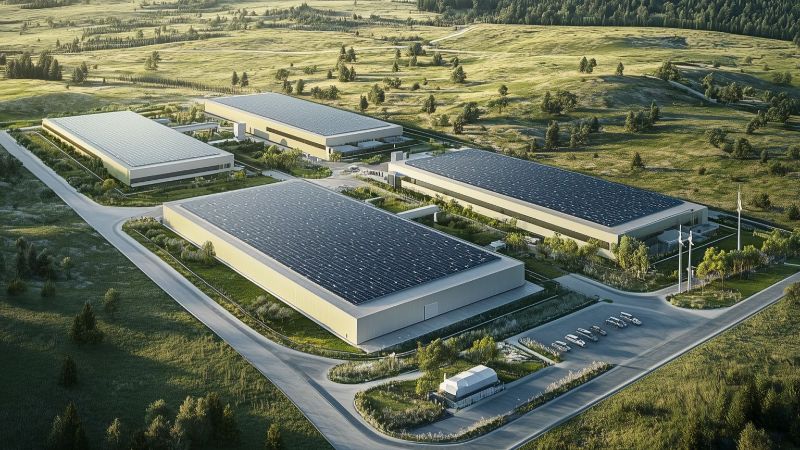
Concept of a geothermal energy storage system. Image used courtesy of Sage Geosystems
Data Center Energy Challenges
The surging demand for digital services and data centers has created a significant challenge in energy consumption and sustainability.
Today’s data centers have become voracious energy consumers, placing immense strain on the existing power grids and contributing to carbon emissions. Goldman Sachs projects data centers’ energy demand worldwide could increase by 160% by 2030. Currently, data centers consume between 1-2% of the world’s total energy, but this share is anticipated to rise to 3-4% by the end of the decade.
From a sustainability perspective, this growing energy demand is alarming because most grid power still comes from nonrenewable sources. The urgency to shift to renewable energy sources like solar, wind, and hydropower becomes even more apparent in this context. However, the pace of transition is lagging behind the growth rate in energy consumption. As a result, without substantial changes in energy policies, technological innovation, and consumer behavior, the environmental impact of energy production could continue to rise and undermine global sustainability efforts.
Powering the Digital Future With Pressurized Water
Sage Geosystems, a Texas-based startup, plans to address the data center energy challenge by using geothermal energy to generate electricity. The system's core is a series of wells drilled thousands of feet into the earth, where water is stored under high pressure. Sage Geosystems injects the water into the wells to generate electricity, allowing the pressurized hot water to flow back up and spin a turbine. This process is designed to initially recover at least 70% of the energy injected into the water.
Additionally, the company is using deep wells as energy storage systems paired with renewable energy. The solution uses a geopressured geothermal system to store electricity from a small solar array.
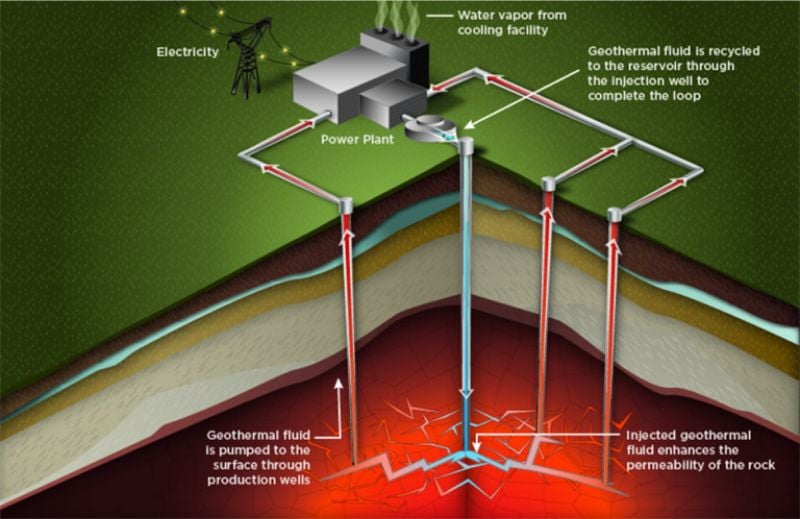
Basic principles of geothermal energy. Image used courtesy of National Renewable Energy Laboratory
A major advantage of Sage Geosystems' approach is its minimal water usage and waste. Unlike traditional fracking methods, the company aims to minimize water losses, with only around 1% lost per injection and recovery cycle. This closed-loop system helps address the challenges of water scarcity often associated with energy-intensive industries.
Geothermal storage. Image used courtesy of Sage Geosystems
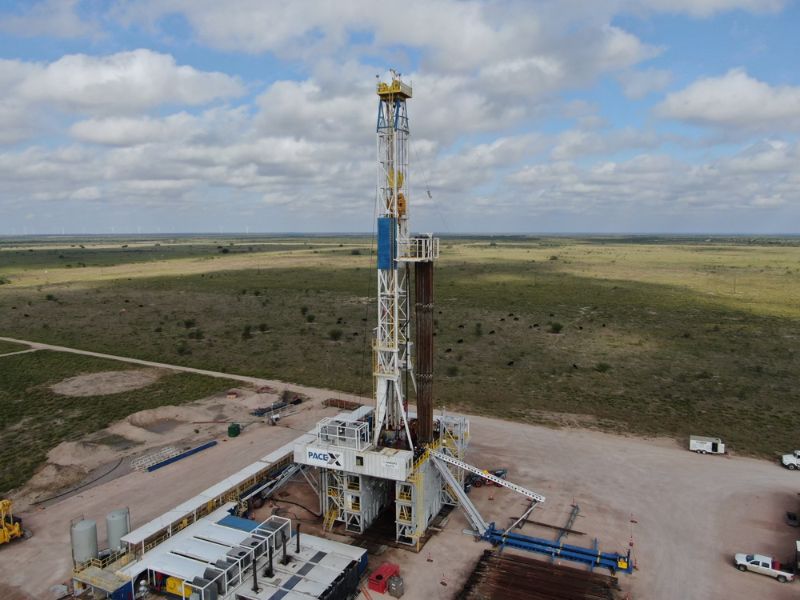
After a year of testing in Starr County, Sage Geosystems constructed its first commercial-scale facility near San Antonio. The site will have a capacity of 3 MW, enough to power more than 600 homes at around 10 cents per kWh. The company also plans to scale up the system by adding up to 10 more wells, eventually reaching a capacity of 50 MW.
Sage and Meta Team Up
Sage Geosystems and Meta’s partnership will advance next-generation geothermal power generation by leveraging Sage’s proprietary geopressured geothermal system (GGS). The project will be the first large-scale geothermal development east of the Rocky Mountains.
The GGS technology harnesses geothermal energy in regions where it was previously considered impractical. The system leverages hot, dry rock formations, which are vastly more abundant than traditional hydrothermal resources.
The GGS technology offers the potential for rapid deployment across the U.S. and globally. By tapping into deep earth resources, Sage Geosystems aims to provide a consistent energy supply to reduce Meta’s data center carbon footprint significantly.
In total, the partnership will focus on delivering up to 150 MW of geothermal baseload power to support Meta’s data centers. The first phase of this project is expected to be operational by 2027.
Future Implications
As energy demands increase worldwide, novel and renewable solutions will be instrumental in advancing society. Sage Geosystems’ first commercial-scale facility in San Antonio and their most recent partnership with Meta could result in a more sustainable future.