Facebook
 Google
 GitHub
 Linkedin
eVTOL Makes First Cargo Delivery to Offshore Oil Platform
The extended-range, two-ton electric aircraft is faster than a ship and cheaper than a helicopter in delivering supplies.
An electric vertical take-off and landing (eVTOL) aircraft from the Chinese company AutoFlight completed the world’s first cargo delivery to an offshore oil platform. The AutoFlight CarryAll eVTOL took flight to the Huizhou 19-3 Oil platform in a project with China National Offshore Oil Corporation and CITIC Offshore Helicopters, the largest helicopter operator in Asia.
Watch the eVTOL deliver the cargo. Video used courtesy of CGTN Frontline
The pilot project demonstrated that eVTOLs can be much more efficient than conventional transport methods to oil and gas platforms. Electric aviation’s viability in the maritime energy sector could significantly impact the oil and gas and energy sectors.
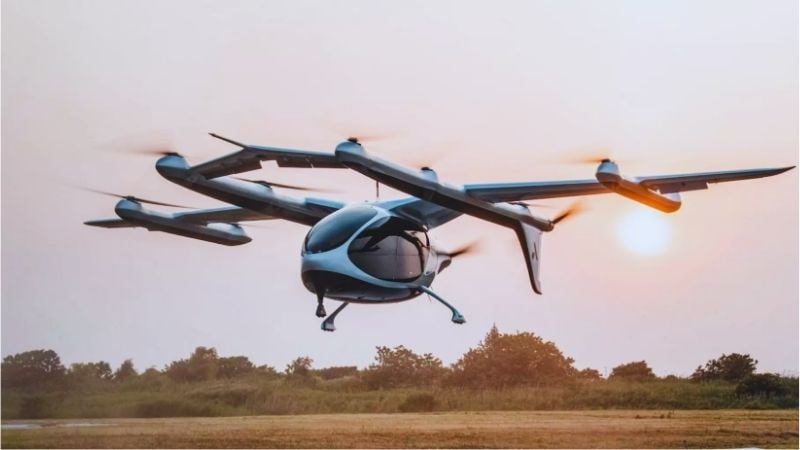
The CarryAll eVTOL. Image used courtesy of AutoFlight
What Are eVTOLs?
eVTOLs are an electric version of vertical take-off and landing (VTOL) aircraft, much like electric vehicles are the electric alternative to internal combustion engine cars. eVTOLs can hover, take off, and land vertically. They are multicopters that fly using arms with motors and propellers rather than wings.
eVTOLs emerged in 2009 from NASA but have gained much interest worldwide for cargo and passenger delivery services. From Google and Amazon to UNICEF and UPS, many organizations have delivered cargo and parcels over short distances on land. However, Autoflight has made the first long-distance offshore delivery with the CarryAll eVTOL.
CarryAll Aircraft Cuts Offshore Delivery Time
The eVTOL supply flight to the oil platform showed a safer way to perform logistics for hard-to-reach places. Many platforms are far offshore, where waters can be treacherous for ships and their personnel.
The task involved transporting fruit, medicine, and other emergency supplies to the Huizhou 19-3 Oil platform 150 km off China’s coast. The eVTOL took off from a designated launch facility in Shenzhen. This transport route usually takes around 10 hours by sea, but the eVTOL cut the delivery time to just 58 minutes.
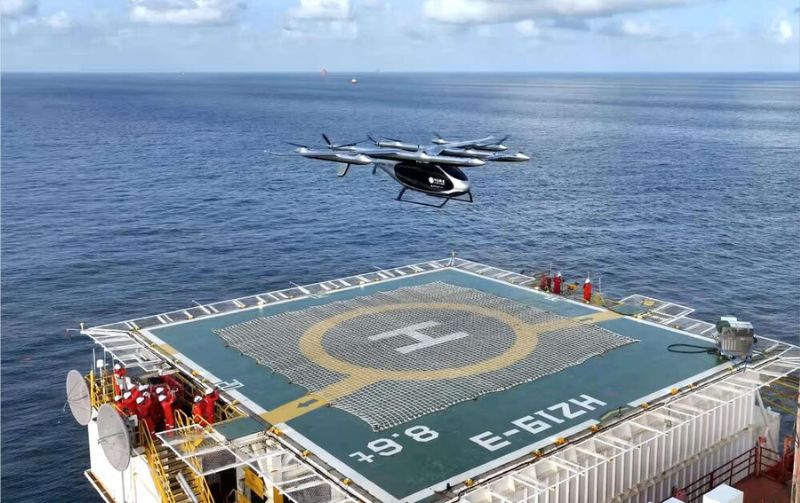
The CarryAll landing on the offshore oil platform. Image used courtesy of AutoFlight
Urgent supplies frequently don’t reach offshore platforms quickly enough. Many logistical constraints and safety protocols must be followed during sea deliveries. These constraints can sometimes delay critical supplies and emergency response scenarios.
While helicopters can be used in emergencies, they are too cost-prohibitive for general cargo operations. eVTOLs could fill the need for an alternative safer than shipping and cheaper than helicopters.
The project also used CITIC Offshore Helicopters for operational support. The mission used China's first digital air traffic control tower, helping to establish a new standard for integrating eVTOLs within existing aviation infrastructure.
Technical Capabilities of the V2000CG eVTOL
The V2000CG CarryAll is the world's first two-ton eVTOL to achieve a range of certifications, including:
- Type certification
- Product certification
- Airworthiness certification
The CarryAll eVTOL has been designed specifically for low altitude operations, including high efficiency logistics. The V2000CG CarryAll features a lift and cruise configuration and has a typical range of 200-250 km, a maximum speed of 200 km/hour, and a payload capacity of 400 kg.
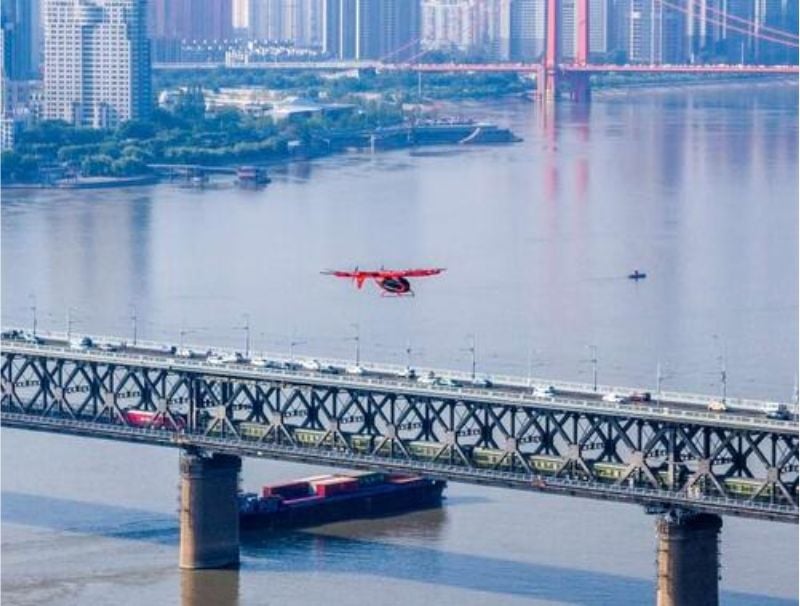
An uncrewed CarryAll provided support at a festival in Wuhan. Image used courtesy of AutoFlight
The eVTOL has been operated and tested in the South China Sea, where conditions can vary significantly. The eVTOL handled variable winds and strong wind conditions, foggy conditions, high salt mist environments, and high humidity levels. In all these conditions, the CarryAll performed with precision vertical operations and stable hovering performance. The flight to the offshore platform tested its ability for extended transoceanic navigation.
AutoFlight has also developed several other eVTOLs for different purposes, including firefighting, and all have different maximum speeds and payload capacities.
Laying the Foundation for Future Oil and Gas Operations
The eVTOL mission’s success lays a platform for expanding eVTOL use across offshore energy operations, including transporting personnel for crew rotation and medical evacuation scenarios, rapidly deploying high-value components, and delivering emergency supplies. The eVTOL could improve maintenance and monitoring capabilities through quicker incident response time. eVTOLs could help enhance efficiency and safety standards for many offshore platform operations.