Facebook
 Google
 GitHub
 Linkedin
Can Tesla Lead the Pack To Wireless EV Charging?
While automakers are exploring wireless inductive charging technology, it remains unclear when wireless chargers will be publicly available.
The lack of charging infrastructure hampers the healthy growth of electric vehicles. Although thousands of public charging stations have already been installed nationwide, drivers remain burdened by congested lines. Experts see wireless technology as the silver bullet to minimize this dilemma.
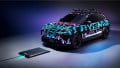
Tesla is testing wireless charging on its Cybercab. Video used courtesy of Tesla
Harnessing this power could allow EV owners to charge their cars in less time so they can reach their destinations sooner. Global automakers are simultaneously launching tests to perfect the innovation before making it accessible to customers.
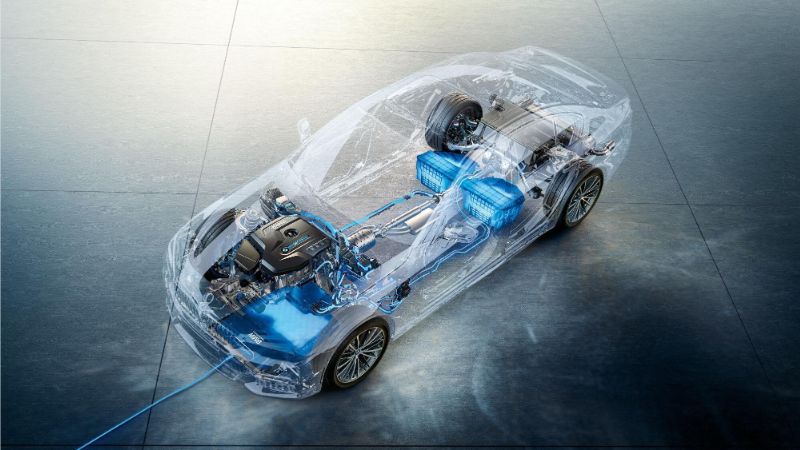
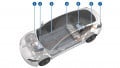
Inductive wireless charging technology. Image used courtesy of BMW
EV Giants Piloting Wireless Charging Networks
Two wireless charging innovations fuel EVs to roam the streets—inductive and resonance. Most carmakers leverage inductive wireless charging technology because it's convenient and requires minimal user intervention. Batteries can top up power by parking the car on the charging pad while drivers wait to fill up.
Wireless charging could silence the increasing complaints about the lack of power stations. Furthermore, it could help address range anxiety, another pressing problem of EV drivers. Five global auto manufacturers are refining wireless technology to offer it to the public in the future.

Inductive charging process. Image used courtesy of Mohamed et al
Tesla
Tesla owns over 50,000 Superchargers worldwide, exclusive to its customers. EV owners can use these plug-in fast DC chargers to electrically fuel their cars to recover up to 200 miles of travel range for 15 minutes. However, the company doesn't stop impressing its users here.
Tesla aims to go plug-free soon, making charging even more convenient. The company has hinted at possibly cutting the cables for years, but an official statement has yet to be published or announced. However, its chief designer did confirm it’s working on a wireless inductive home charger. Earlier last year, the EV mammoth released a photo of Model S that appeared to be obtaining power from a pad, not a plug.
If launched, it would benefit Tesla drivers in many ways. For one, it's safer since there is no more cable to trip over or get tangled. It's also convenient since drivers don't have to get out of the car and attach the plug.
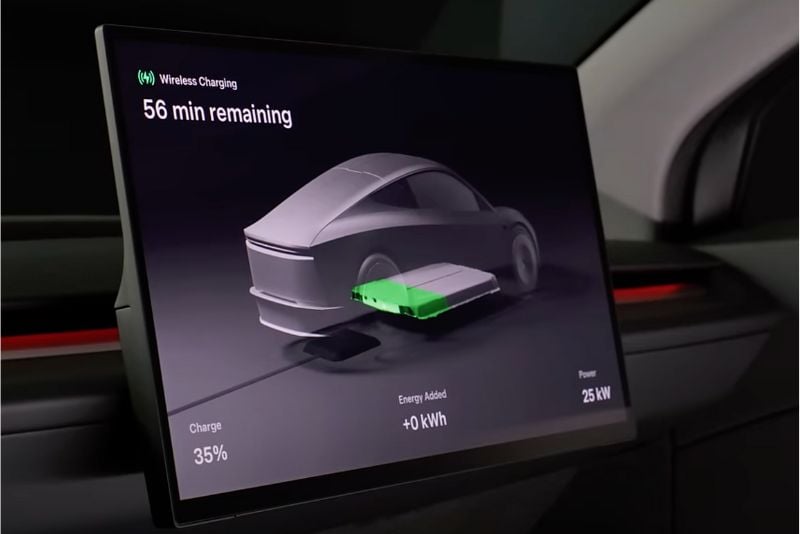
Tesla wireless charging. Image used courtesy of Tesla
Hyundai
The Korean-based automobile creator is also jumping on the bandwagon of wireless upgrades, but on a more superior level through its wireless EV-charging roads—not pads. Hyundai's new patent could allow power top-up while the cars are mobile and the driver is steering.
This innovation provides a practical solution for range anxiety, as drivers wouldn't have to worry about running out of power before finding a nearby charging site. They don't even have to make a stop at congested charging sites. This design uses vehicle-to-everything technology, which collects real-time road data and suggests the optimal routes for wireless surface charging to drivers.
The company's main challenge was rough ground. Potholes and uneven roads can undermine wireless charging by creating distance between the car and the charger. No current exchange between coils happens when the pads are too far from each other.
However, the automaker is aware of the problem and has developed an adjustable charge receiver that instantly lowers or raises to fix distance issues that could disable wireless charging. This intelligent system supports convenient and continuous driving. More importantly, it can reduce congestion at charging stations.
BMW
BMW has piloted the 530e Inductive Charging Pilot Program to test and elicit feedback on the system and potentially expand the availability of this technology to the public.
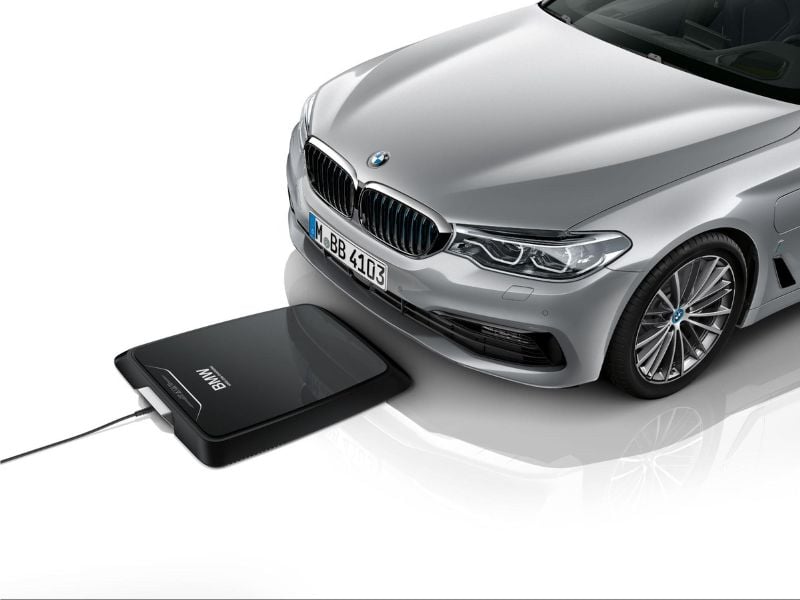
BMW wireless charger. Image used courtesy of BMW
The company enlisted plug-in hybrid sedan customers to try its wireless inductive technology and provide feedback afterward. With a charging power of 3.2 kilowatts and a CarPad-GroundPad distance of 3 inches, the vehicles achieved full charge for around three and a half hours.
The test program started in Germany in 2018 and expanded to the U.S. in mid-2019. Since then, the German automaker has yet to proceed with its wireless charging project in any way. However, it's likely in progress, given the big names in auto manufacturing have been considering and talking about cable-free charging for years.
Volkswagen
Volkswagen and the Department of Energy's Oak Ridge National Laboratory (ORNL) have set the record for the fastest charging time for the Porsche Taycan. The German automaker’s light-duty passenger vehicle was lent to the ORNL to test a novel polyphase wireless charging system built into the car's underbody. The state of charge reached 50% in 10 minutes, thanks to its 19-inch coupling coils allowing higher power density transfer—up to 270 kilowatts—than existing systems.
Volkswagen currently has Level 1 to Level 3 wired chargers. Its DC fast chargers can load 50-350 kilowatts of power and charge up to 80% in 38 minutes. The switch to wireless could resolve many of EVs' drawbacks, especially if it could develop a charging network for universal units. It remains unclear when this will be available to the public.
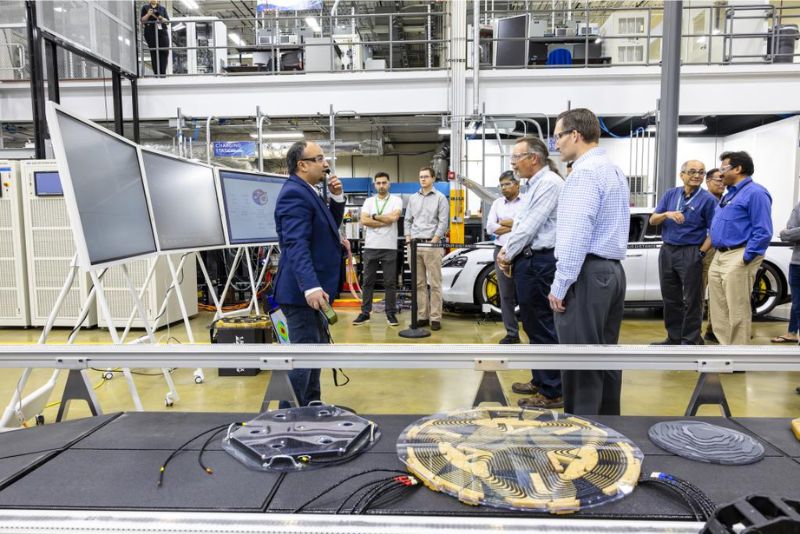
ONRL’s charging coils in its test of the Taycan. Image used courtesy of ORNL
Volvo
The Swedish carmaker began researching wireless charging technology in 2022 by testing a small fleet of electric Volvo XC40 Recharge cars. This test spans over three years and is set to conclude next year. The automaker partnered with the largest taxi network in the Nordics, Cabonline, to use XC40 wheels as public taxis and determine their durability and potential for broader adoption. It also collaborated with Momentum Dynamics to provide wireless charging systems.
For this test, Volvo cars are driven for more than 12 hours daily and cover a range of 100,000 kilometers per year. They are equipped to receive up to 40 kilowatts of power. These cars can reach full battery almost as fast as a wired 50 kilowatt DC fast charger or four times as fast as a wired 11 kilowatt AC charger.
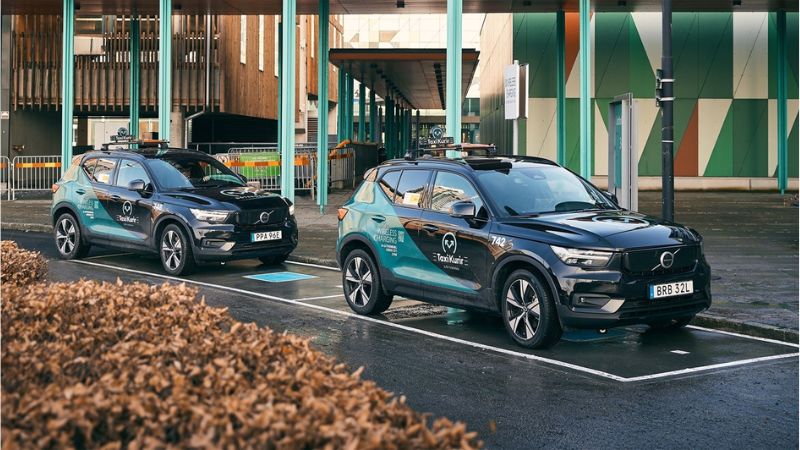
Volvo wireless charging test. Image used courtesy of Volvo
Like the others, these vehicles use receivers installed on their underbodies to power them up. The project is ongoing,
Wireless Charging Is the Future
U.S. automakers must gather speed on their wireless charging technologies to address the central problem—the lack of infrastructure. Resolving this issue could stimulate market activity, which would ultimately help carmaker giants meet their sustainability objectives.