Facebook
 Google
 GitHub
 Linkedin
Tesla, CATL, Energy Dome Lead 2024 Energy Storage Solutions
Lithium-ion improvements and alternative systems highlighted renewable energy storage this year.
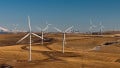
Traditional power grids, designed for steady outputs from fossil fuels, struggle with the inconsistent supply of renewable energy. This intermittency demands novel energy storage solutions to ensure grid reliability and efficient energy use. Current technology like lithium-ion batteries have made strides but often fall short in scalability, longevity, and environmental impact.
Fortunately, in 2024, several exciting solutions promised to overcome these challenges, including innovations from Tesla, CATL, and Energy Dome.
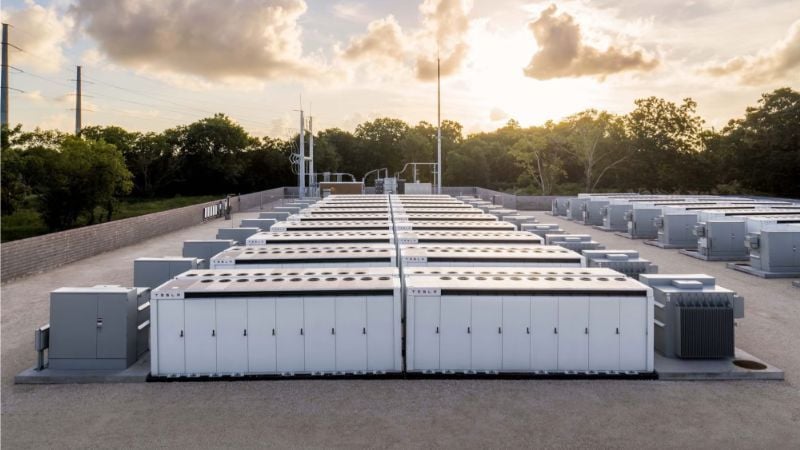
Megapack. Image used courtesy of Tesla
Tesla’s Megapack
In 2024, Tesla deployed its Megapack 2XL units for the Collie Battery project in Western Australia.
The project’s first phase included 224 Megapack units, offering 219 MW 877 MWh capacity, while the second phase expanded with 348 units, delivering 341 MW/1,363 MWh. Each Megapack unit features modular lithium-ion battery cells for scalability and rapid deployment. With dimensions of 7 feet by 14 feet by 50 feet and a weight of 27 metric tons, these units connect to Western Power’s Palmer Terminal substation to support the South-West Interconnected System.
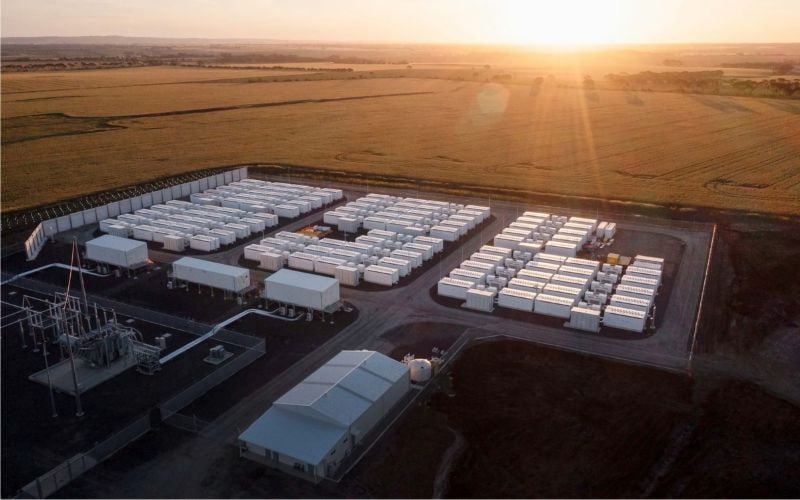
Megapack utility-scale storage in Australia. Image used courtesy of Tesla
Once operational by late 2025, the system will stabilize the grid and efficiently store surplus renewable energy. According to stakeholders, this project is set to become the country's largest energy storage system, with total capacity reaching 1.3 GWh.
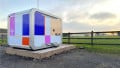
Tesla's Powerwall 3
Tesla continued its 2024 momentum with the unveiling of the Powerwall 3.
A home energy storage system with a peak power output of 30 kW, Powerwall 3 offers significantly higher peak power than its predecessor’s 7 kW. The system simplifies installation and optimizes solar energy utilization by combining advanced lithium-ion technology with an advanced solar inverter. It features a continuous output of 11.5 kW and a capacity of 14 kWh.
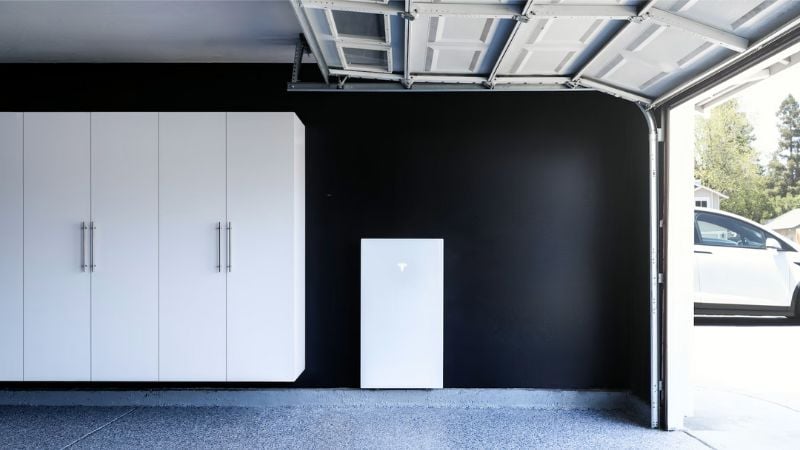
The Tesla Powerwall 3. Image used courtesy of Tesla
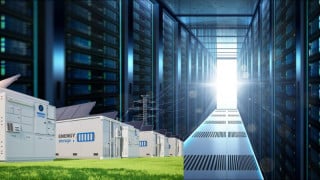
CATL’s TENER System
CATL used 2024 to release its TENER system, the world’s first grid-scale energy storage solution with zero degradation over five years.
The TENER system features a 6.25 MWh capacity and energy density of 430 Wh/L, outperforming Tesla's Megapack in capacity (3.9 MWh) and efficiency. Housed in a compact twenty-foot equivalent unit container, TENER reduces station footprints by 20% and enhances energy density per unit area by 30% compared to competitive offerings.
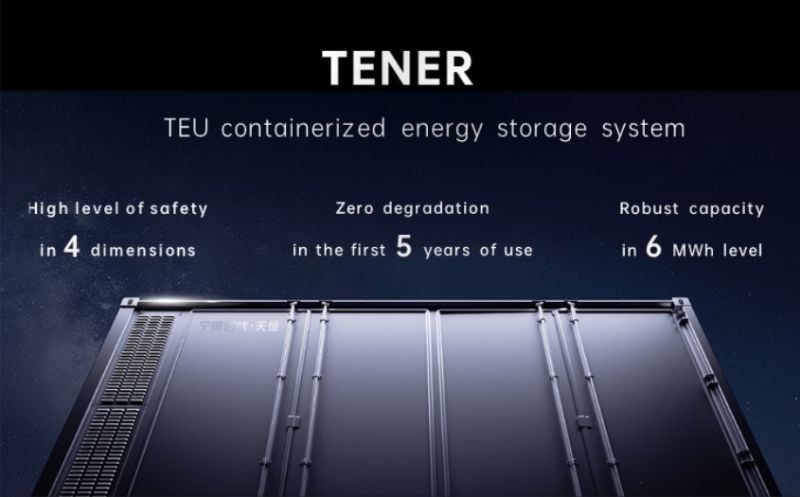
Features of TENER unveiled. Image used courtesy of CATL
Uniquely, TENER leverages biomimetic SEI and self-assembled electrolyte technologies to achieve a protective interface that ensures stable lithium-ion transfer and eliminates degradation. It also integrates advanced quality management systems that reduce failure rates to parts per billion.
Energy Dome’s CO2 Balloons
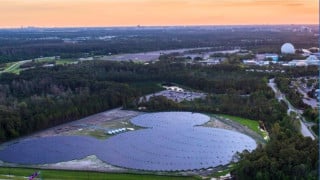
A Milan-based startup tackled renewable energy in 2024 variability with an innovative carbon dioxide dome energy storage system. The solution utilizes compressed CO2, stored in a large balloon or "dome," as a medium for energy storage. During the daytime, surplus power, including energy from solar farms, compresses CO2 into a liquid state to store energy. At night, the liquid CO2 expands back into gas, driving turbines to generate electricity, thereby ensuring grid stability.
The system leverages specialized equipment to facilitate the compression-expansion cycle, offering scalable, cost-effective storage for hours or days. Ultimately, the system is positioned as a sustainable and economical alternative to traditional methods like lithium-ion batteries and pumped storage.
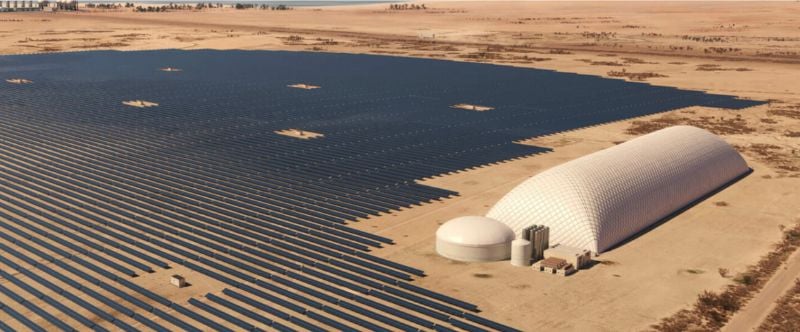
Energy Dome storage at a solar farm. Image used courtesy of Energy Dome
Looking Ahead at Storage
Looking ahead to 2025, the momentum in renewable energy storage innovations shows no signs of slowing. As renewable energy adoption accelerates globally, the need for scalable, efficient, and environmentally sustainable solutions remains paramount. With increasing collaboration between governments, startups, and established companies, 2025 promises to deliver a new wave of energy storage solutions.