Facebook
 Google
 GitHub
 Linkedin
Carlo Gavazzi Charging Controller Optimizes Power Distribution
The compact UWP-DLB controller uses dynamic load balancing to balance power across multiple electric vehicle chargers, preventing overloads and optimizing energy use in real time.
As electric vehicle adoption accelerates worldwide, charging infrastructure is rapidly scaling to meet demand. However, for engineers managing facilities with limited electrical capacity, such as hotels, public garages, and mixed-use commercial properties, the challenge isn’t just adding more chargers. It’s intelligently distributing existing power so charging stations can operate reliably alongside other systems like lighting, HVAC, or elevators.
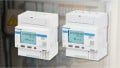
Carlo Gavazzi’s newly released UWP-DLB dynamic load balancing controller is built to address this problem directly. The compact 2-DIN module actively manages real-time power distribution among multiple EV chargers, helping to keep overall site load within safe and predictable thresholds. The UWP-DLB provides broad compatibility, cloud-based access, and a focus on resilience. The UWP-DLB is designed to streamline smart charging installations without requiring the overhaul of existing infrastructure.
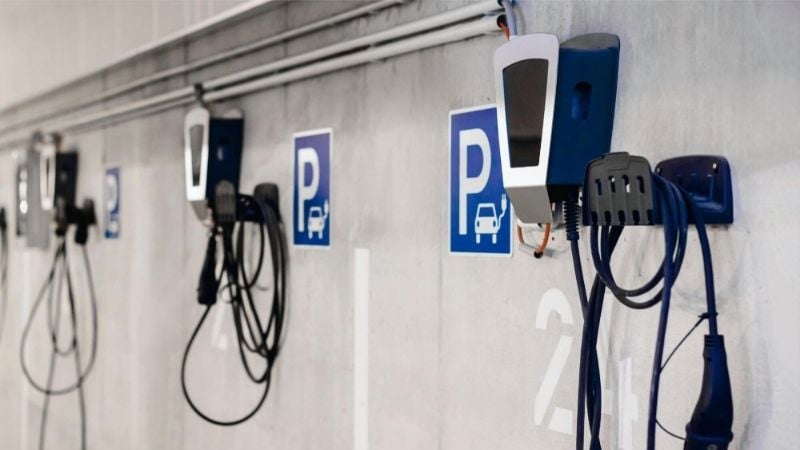
The UWP-DLB enables smarter EV charging station management by balancing power across chargers without overloading site infrastructure. Image courtesy of Adobe Stock
Compact Controller, Smarter Power Distribution
The UWP-DLB dynamically adjusts the power output of each electric vehicle supply equipment (EVSE) based on total site consumption. By keeping a constant eye on how much power is used across the site, the UWP-DLB can adjust EV charging output on the fly. Whether the demand is coming from lighting, HVAC systems, or the chargers, the UWP-DLB can distribute power where it's needed, while avoiding costly utility penalties tied to peak energy usage.
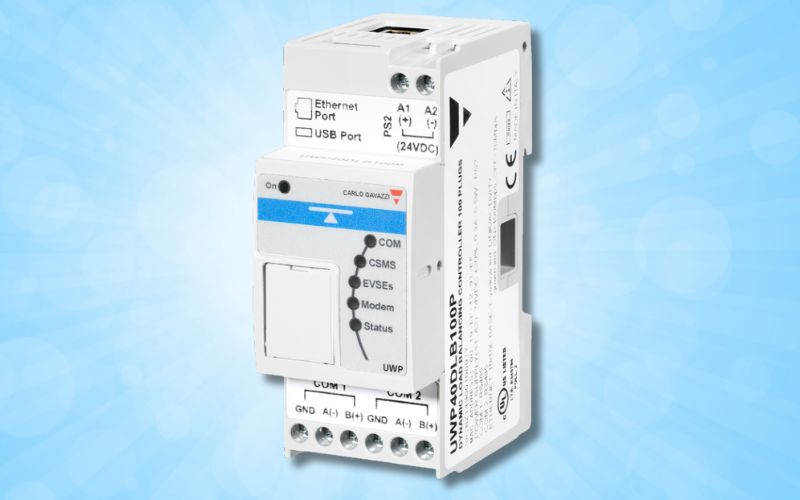
The UWP-DLB manages real-time power distribution across multiple EV chargers to prevent overloads and optimize site efficiency. Image used courtesy of Carlo Gavazzi
The system supports AC and DC chargers and works with single- or three-phase setups, allowing engineers to group chargers by cable run, prioritize certain outlets, or define power-sharing rules across zones. This strategy enables tailored energy management based on layout, expected vehicle types, or operational schedules, without requiring significant rewiring or over-dimensioning the power feed.
The UWP-DLB Provides Offline Resiliency and Safety
The UWP-DLB is built to be dependable, even when the internet isn’t. The UWP-DLP makes real-time load balancing decisions directly, without needing to send data to the cloud first. This local control means it can react quickly to changes in power demand, which can keep the charging stations running smoothly.
For user access, the UWP-DLP controller includes support for offline authorization via RFID tags. When a network outage occurs, drivers can still initiate charging sessions while the system logs transaction data locally. They can retrieve logs later in industry-friendly formats like CSV or NEM12 for integration with billing systems or analysis tools. This self-contained operation ensures charging continuity, minimizes downtime, and simplifies troubleshooting.
The controller also supports whitelisting of approved RFID cards for controlled access without a live connection to a charging station management system (CSMS). Combined with transaction storage and flexible configuration, the UWP-DLB makes it easier for sites to stay operational under various conditions without compromising data integrity or user access.
Seamless Integration and Scalable Control
The UWP-DLB is designed to fit in with any EV charger or backend system that supports OCPP 1.6. The UWP-DLB is ideal for those building a new site or updating an older one. It steps in as a local controller managing load distribution, authorizing users, and keeping communication flowing. Its plug-and-play compatibility means designers can expand or modernize an EV charging setup without reworking everything from the ground up.
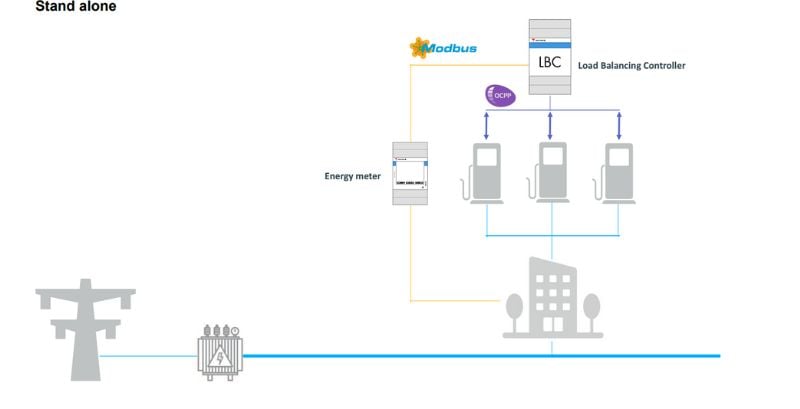
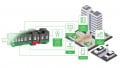
Architecture solutions for a stand-alone system. Image used courtesy of Carlos Gavazzi
A built-in web server allows for easy local configuration via browser, and full support for Carlo Gavazzi’s MAIA Cloud platform enables secure remote access. This includes real-time system monitoring, configuration updates, diagnostics, and firmware management, all accessible off-site. These can reduce the need for frequent technician visits and make multi-site deployments easier to manage at scale.
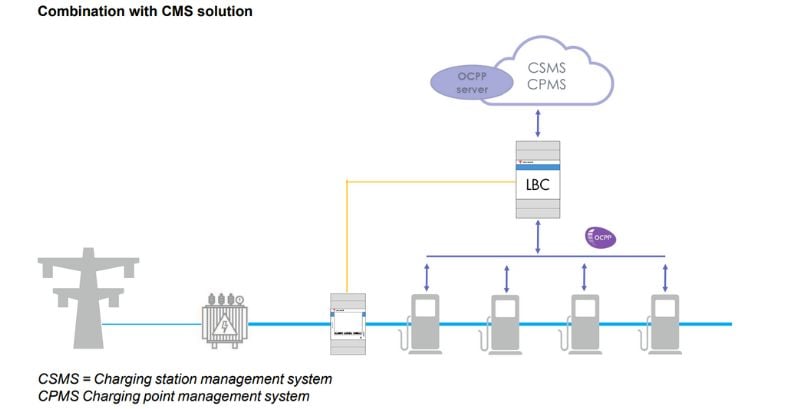
Architecture solutions for a combined CMS system. Image used courtesy of Carlos Gavazzi
The system is designed with future growth in mind. As EV demand increases and sites expand, the UWP-DLB can scale with additional chargers or groups without requiring major redesigns of the electrical system. It serves as a modular energy management layer that grows with the infrastructure it supports.
Carlo Gavazzi’s UWP-DLB offers a flexible, intelligent approach to load management for EV charging sites. Combining real-time power optimization, offline resilience, and cloud-based visibility in a compact, standards-compliant form factor gives engineers the tools to deliver efficient, reliable, and scalable EV charging solutions.
In a landscape where power limitations are becoming just as important as charger count, dynamic load balancing is no longer optional, and solutions like the UWP-DLB are paving the way.
Related Content