Facebook
 Google
 GitHub
 Linkedin
Out of the Ashes: Nuclear Redux, Part 2
Officials are considering restarting the Three Mile Island nuclear plant, but should they? Part 2 analyzes the challenges and alternatives.
Restarting a closed nuclear plant is possible, even after a devastating accident. The Fukushima Daiichi plant in Japan closed in 2013 after an earthquake and tsunami damaged its power and cooling systems. By 2015, some reactors were back online, and by 2022, about 11 GW of nuclear capacity had been restored.
Nuclear power benefits. Video used courtesy of International Atomic Energy Association
Talks are underway to restart the Three Mile Island plant after its near-disaster in 1979. Yet, the task will require carefully considering costs, radiation dangers, and public safety. Do the disadvantages outweigh the advantages?
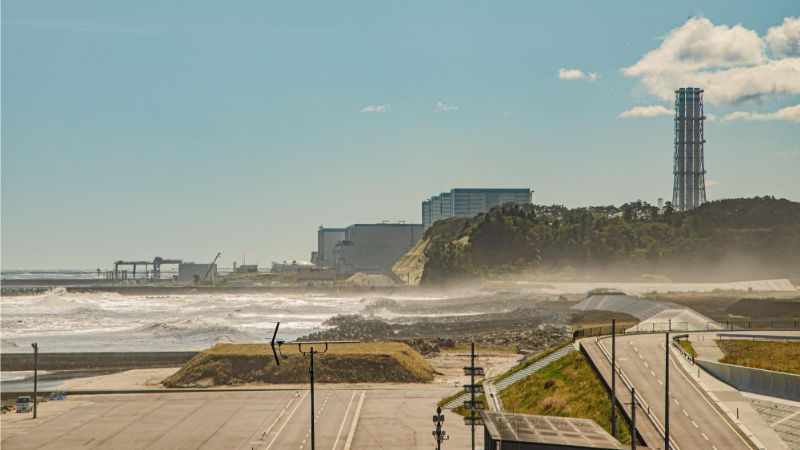
Fukushima Daiichi plant in Japan. Image used courtesy of Adobe Stock
Japan’s Nuclear Efforts
The Fukushima disaster shut down all 48 nuclear reactors in Japan. Restarting these plants has been slow and carefully managed.
Ten units are currently under review. Five have passed review, but they have not yet restarted. The reboots have had significant impacts on Japan's energy production. Nuclear generation has been replacing fossil fuel sources, mainly natural gas and gas imports, which declined by 15 percent in 2022 compared to 2015.
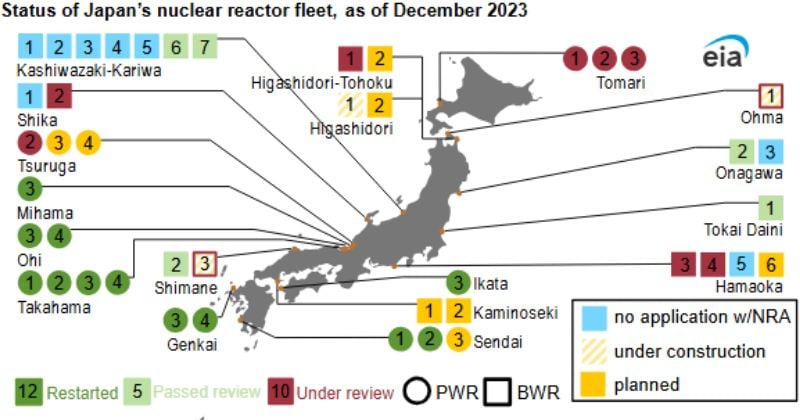
Nuclear reactor restarts in Japan. Image courtesy of the U.S. Energy Information Agency
Japan sees its future as nuclear. The country passed the GX Decarbonization Power Supply Bill, designating nuclear power as a main component of baseload electricity. The bill establishes stricter regulations on aging reactors, defines their operating lifelines, and provides guidelines for decommissioning nuclear reactors.
Radiation and Degradation
Before any nuclear plant can be restarted, engineers must consider the facility’s physical condition.
Construction materials used in nuclear power plants degrade over time due to several factors. Prolonged exposure to high neutron and gamma radiation levels can cause embrittlement and changes in material properties, especially in metals like the steel used in reactor pressure vessels.
Constant exposure to high temperatures can cause thermal aging, creep, and fatigue in various components. Interaction with coolant water and other chemicals can cause corrosion in metal components, particularly in steam generators and piping systems. Concrete structures used to build and contain the reactor site can deteriorate due to chemical attacks, freeze-thaw cycles, and radiation exposure. This can affect containment buildings and other concrete structures.
Nuclear plants implement rigorous inspection, maintenance, and replacement programs to manage the degradation processes. Some components, like steam generators, may need replacement after several decades of operation. Ongoing research and monitoring improve understanding of long-term material behavior in nuclear environments.
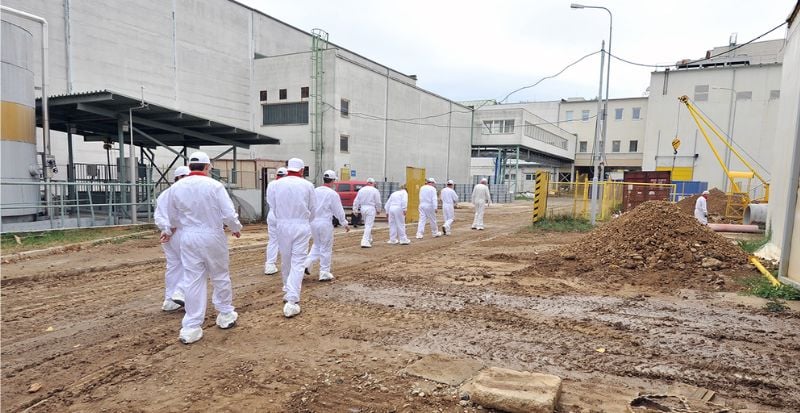
Nuclear power plant decommissioning, Slovakia. Image used courtesy of IAEA/D. Calma
Considering Other Uses for Decommissioned Plants
If a nuclear power plant is permanently decommissioned, the site can be repurposed for various uses, depending on the decontamination level achieved and local regulations. If the site is decontaminated to levels permitting unrestricted use (typically below 25 millirem per year residual radiation), it can be released for any purpose, including residential development, commercial or industrial use, farming, or public parks and recreational areas. Former power plant sites are useful for solar or wind farms or battery energy storage systems because the site's existing infrastructure (e.g., roads, power lines) makes it attractive for this type of development. The existing infrastructure might be converted for scientific research in fields related to energy or physics.
When some residual contamination remains after decommissioning, the site might be restricted to certain activities or require ongoing monitoring. Some sites may continue to store spent nuclear fuel in dry casks until a permanent repository is available.
The Nuclear Regulatory Commission (NRC) must verify that the site meets release criteria before terminating the facility's license and allowing alternative uses. The NRC’s ultimate goal is to ensure the site is safe for its intended future use while considering the needs and desires of the local community.
Public Concern About Nuclear Energy
While support is growing for nuclear energy as a clean and reliable power source, public concerns about safety persist. Environmental impact, economic viability, and regulatory challenges remain significant barriers to restarting decommissioned nuclear plants. Plants in areas prone to natural disasters, such as earthquakes or tsunamis, face additional scrutiny. The potential for natural events to trigger nuclear accidents is a significant concern, as seen in Japan following the Fukushima disaster.
Local opposition can be strong, especially in areas with a history of nuclear incidents or where public trust in the plant operators is low. "Not in My Back Yard" (NIMBY) syndrome is a common phenomenon where people support nuclear energy in principle but oppose it locally due to perceived risks.
Radioactive waste long-term storage and management remain unresolved issues. Communities near nuclear plants often worry about the environmental and health impacts of storing spent nuclear fuel on-site. A leak or accident could risk environmental contamination, which can have long-lasting effects on local ecosystems and human health.
Addressing these concerns through transparent communication, rigorous safety measures, and community engagement is crucial for gaining public trust and support.
Returning to Three Mile Island
Constellation Energy, Three Mile Island’s new owner, is considering restarting Three Mile Island’s Unit 1 reactor, which has been closed since the 1979 partial meltdown. The rise of data centers and new technologies have led to growing power demand, making the restart of TMI Unit 1 more attractive. There is a renewed interest in nuclear energy as a reliable, carbon-free electricity source, which aligns with state and federal clean energy initiatives. Constellation has determined it would be technically feasible to restart Unit 1, but no final decision has been made, as the company must address many economic, commercial, operational, and regulatory considerations.
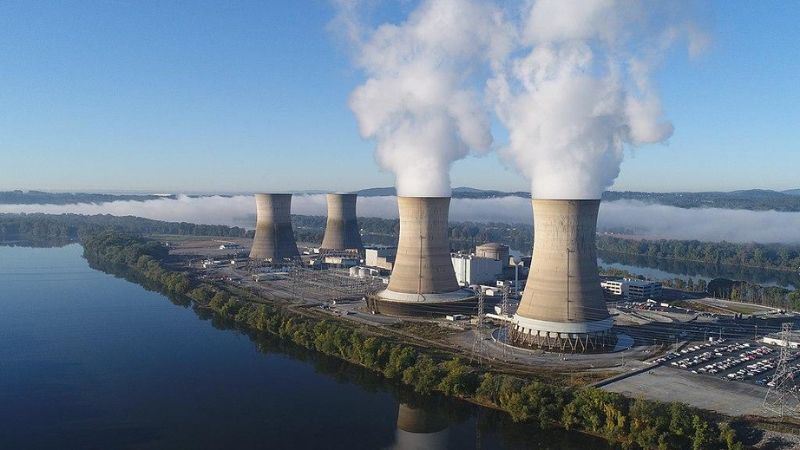
Three Mile Island. Image used courtesy of Wikimedia Commons
Given the historical significance of the Three Mile Island accident, public and environmental concerns persist about the safety and impact of restarting the reactor. Building trust with the local community will be crucial if the plant is to be restarted. The historical accident has left many residents skeptical of nuclear energy and wary of the potential risks of restarting the reactor. That’s a lot of baggage to carry.
If Three Mile Island succeeds in restarting Unit 1, it will signal that the public is willing to accept that aging nuclear power plants can continue to have a place in producing low-carbon energy.
To read Part 1, visit Nuclear Redux: The Complexities of Recommissioning