Facebook
 Google
 GitHub
 Linkedin
Amazon Web Services for Energy: FaaS Balances Renewable Volatility
Terralayr has created a virtual platform for battery storage owners to sell excess battery capacity.
Switzerland-based Terralayr has launched a unique platform allowing battery storage owners to find off-takers interested in procuring capacity on demand. Offering flexibility-as-a-service (FaaS), the marketplace will help balance volatility from renewables.
The company eyes Germany as its first market. Battery storage needs are growing as the country phases out nuclear and coal plants in favor of wind and solar integration. Terralayr’s platform lets storage asset owners lock in price arrangements with customers like renewable energy generators or data centers, who can rent flexible capacity in a range of durations, from 15 minutes to 15 years.
Terralayr likens the concept to Amazon Web Services. Rather than providing cloud services to individual users and websites, the real-time platform allows storage owners and buyers to exchange excess battery capacity virtually.
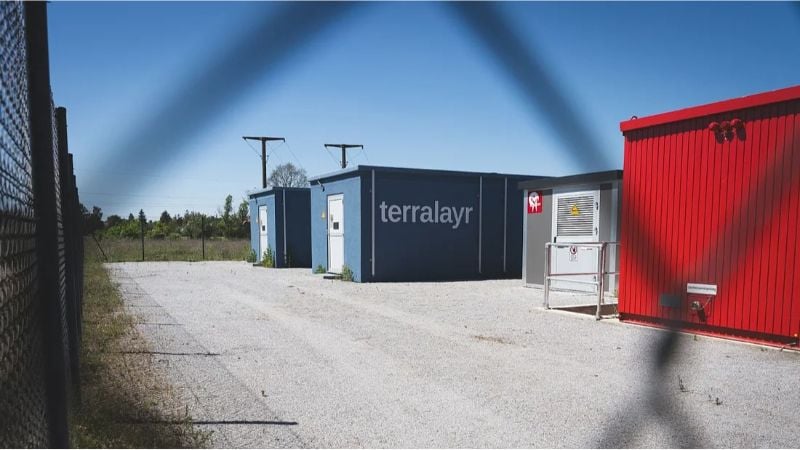
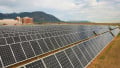
A Terralayr energy storage facility. Image used courtesy of Picus Capital
Grid-Scale Battery Storage
As one of Europe’s top energy storage markets, Germany presents a unique opportunity for Terralayr’s flexibility-focused offering. The country’s rapid wind and solar expansion has added new challenges for grid operations. Renewables generated a record 59.7% share of public electricity in 2023, according to the Fraunhofer Institute for Solar Energy Systems. Government statistics also show that renewable capacity grew 12% last year (or 17 GW) to 170 GW. Meanwhile, the grid is further strained by artificial intelligence’s increased electricity demand, high-performance computing, and data centers.
Batteries can buffer wind and solar generation to release stored energy when the sun sets and the wind dies down. Utility-scale batteries are typically integrated into local grids near solar and wind farms or large industrial sites.
Germany’s installed battery capacity nearly doubled in 2023, from 4.4 GW to 7.6 GW. Overall storage capacity also increased from 6.5 GWh to 11.2 GWh. Growth has been more pronounced in residential and commercial markets. About 70% of private solar systems installed on buildings incorporate battery storage. Still, large-scale capacity is needed to accommodate the renewable energy transition.
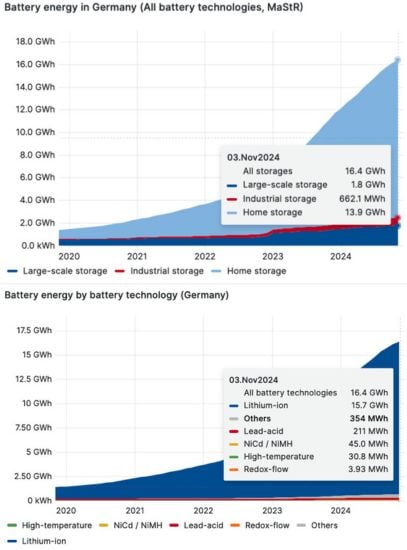
Battery energy storage deployment in Germany. Images used courtesy of RWTH Aachen University
Development is picking up after German officials recently revised the Energy Industry Act to extend fee exemptions for large-scale energy storage. However, the grid needs more storage capacity to support ambitious policy targets. The country plans to reach net-zero greenhouse gas emissions by 2045 and integrate 115 GW of onshore wind, 30 GW of offshore wind, and 215 GW of solar by 2030. The federal government expects renewables’ share of gross electricity consumption will grow to 80% by 2030, requiring 600 TWh.
Meeting Energy Storage Needs in Germany
Terralayr has secured over 5 GW in development agreements across Germany. For scale, that’s almost as much as the 4 GW of new energy storage capacity added nationwide in 2023, per TrendForce data.
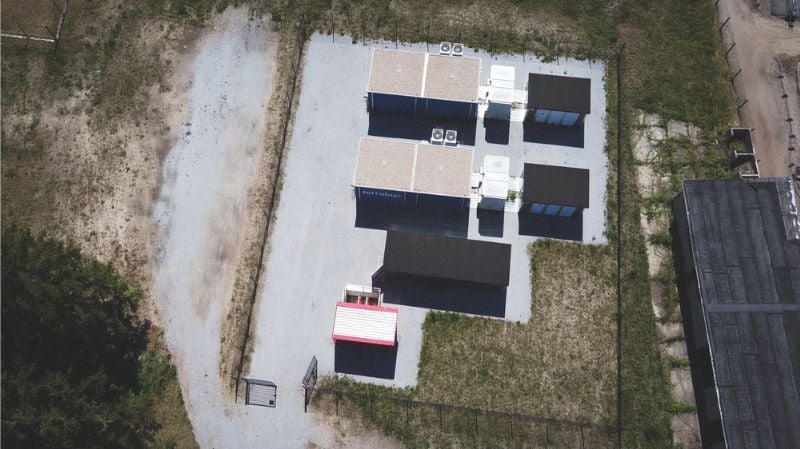
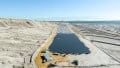
Overhead shot of a Terralayr site. Image used courtesy of Terralayr
Terralayr acquired and began operating its first asset, trlyr1, last year. Others are under construction. The company has reportedly brought 7 MWh of capacity online, with another 40 MWh expected to launch soon.
As a battery storage asset owner-operator and aggregator, Terralayr targets several energy market participants. Power producers, grid operators, traders, and large consumers like data centers can participate in capacity auctions via the Layr platform. The company also aims to partner with landowners to lease or acquire property near grid connection points in industrial zones.
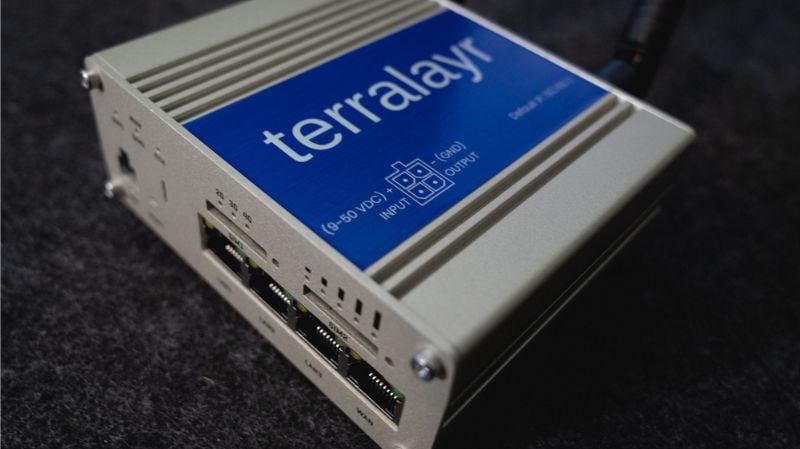
A Terralayr device. Image used courtesy of Terralayr
The two-year-old startup has attracted several investors, recently raising 77 million euros ($83.9 million) from European backers. RIVE Private Investment led the round alongside existing investors Earlybird Venture Capital, Picus Capital, Creandum, and Norrsken VC. The funding will support Terralayr’s order pipeline and battery asset portfolio.