Facebook
 Google
 GitHub
 Linkedin
Thermal Batteries Take the Heat From Salt and Vinegar Chips
Sunamp has created a novel method to store excess power as heat.
One pressing challenge in renewable energy is energy storage. Excess energy produced during peak times often goes to waste without effective storage solutions, while demand remains unmet during low production periods. Thermal energy storage systems offer a promising avenue for bridging this gap, allowing energy to be stored as heat for later use.
Sunamp’s CEO explains how a thermal battery works. Video used courtesy of Sunamp
While most energy storage systems use conventional lithium-ion batteries, alternate technologies are growing. Sunamp, a specialist in thermal storage, has developed a novel battery technology designed for long-term and efficient thermal energy storage. The battery
This article discusses the hurdles in developing an efficient thermal battery and how Sunamp’s innovation could provide a solution.
How can an ingredient of potato chips improve battery storage? Adapted from images used courtesy of Canva and Sunamp
Thermal Energy Storage
Thermal energy storage involves heating or cooling a medium to store energy for later use.
A basic example is heating water in a tank during periods of excess energy, with the stored heat converted back to electricity when the energy supply is lower. Standard storage solutions include water tanks, ice-slush, boreholes accessing earth or bedrock, and underground bodies of water. Overall, thermal energy storage allows lower carbon dioxide emissions and costs by utilizing energy during periods when it is more affordable and renewable sources are more abundant. Compared to conventional energy storage methods, these solutions don’t tend to rely on hard-to-source materials like lithium.
However, thermal energy storage’s main challenge lies in developing materials and systems that can store and release heat efficiently over long periods without degradation. After repeated use, many materials lose effectiveness due to breakdown, settling, or property changes. Another issue is maintaining consistent performance across various temperature ranges and storage cycles. Furthermore, integrating these systems with intermittent renewable energy sources like solar and wind adds complexity, as they need to be reliable enough to store excess energy and release it when needed, balancing supply and demand effectively.
The Thermal Battery Breakthrough
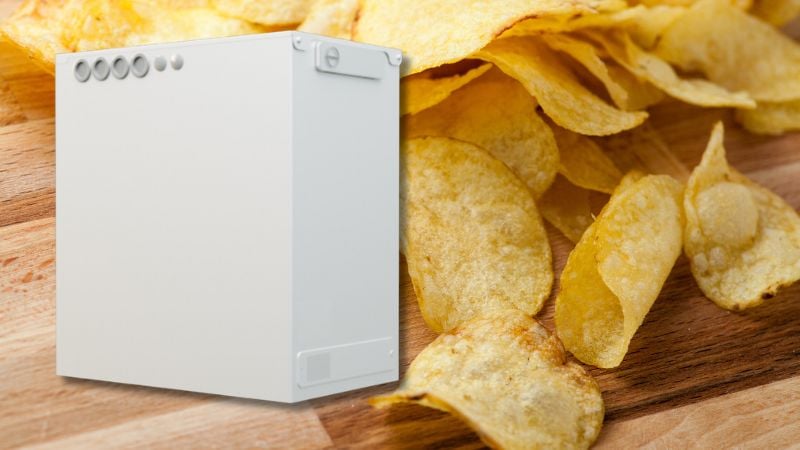
Sunamp has released a thermal battery that leverages sodium acetate trihydrate (SAT), commonly found in hand warmers and salt-and-vinegar potato chips.
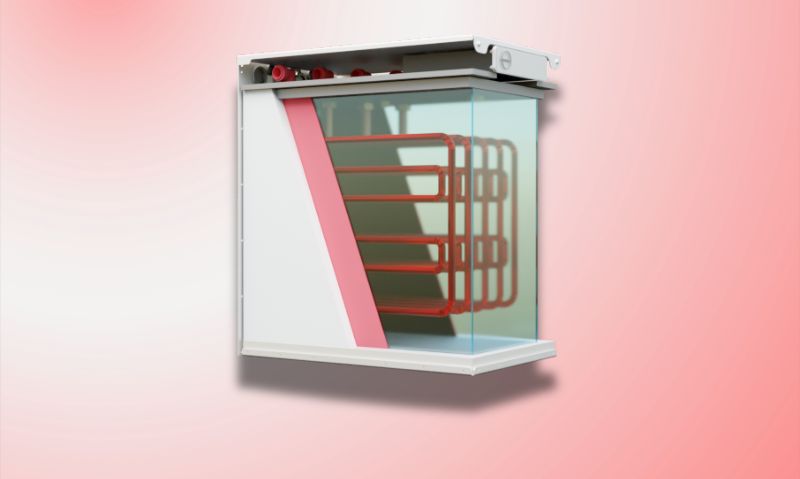
The core innovation in the company’s battery lies in combining SAT with water and specially designed crystal habit modifiers, which enhance the material's ability to store and release heat over extended periods without degradation. When heated, SAT dissolves into a supersaturated solution, storing energy released upon recrystallization, a phase change from liquid to solid.
Cross-section of Sunamp’s thermal battery. Image used courtesy of Sunamp
Traditional SAT suffers from degradation over time due to salt settling out of the solution, but Sunamp's use of acrylic-based crystal habit modifiers ensures stable, repeated heat cycles. This feature enables the battery to undergo up to 40,000 heating cycles, equating to more than 50 years of daily use.
According to the company, the thermal battery is compact and designed for residential use, particularly in homes with limited space for conventional water tanks. They can also be used in business, industrial, and agricultural applications.
Thermal Battery Future
Sunamp’s breakthrough points to the growing potential of heat storage in reducing reliance on traditional energy grids and supporting renewable energy adoption. The company is raising a Series B to develop its SAT-based solutions further.