Facebook
 Google
 GitHub
 Linkedin
Ultrasound Technology Drives Toxin-Free Solar Panel Recycling
An Italian startup claims to recover 90% of reusable materials from solar panels without using toxic chemicals.
Recycling solar panels is a notoriously difficult task due to the challenges associated with separating and recovering the various materials used to make them. This reality is a pressing issue for solar engineers who design and test newer options. However, numerous groups have developed and experimented with recycling alternatives.
How are solar panels recycled? Video used courtesy of 9-Tech
One example is from Italian startup 9-Tech, which is developing a method to recover solar panels’ recyclable materials without creating harmful emissions. The company calls the process “upcycling.”
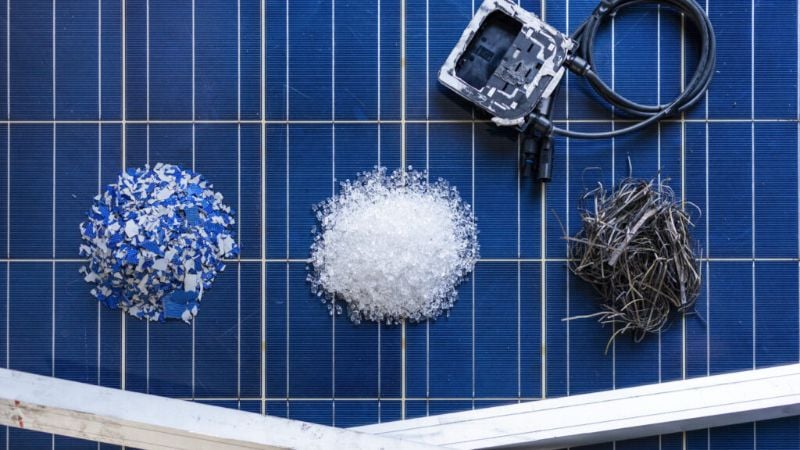
Materials recovered through recycling solar panels. Image used courtesy of 9-Tech
What’s Different About 9-Tech’s Method?
Recycling solar panels involves removing the polymer adhesives, making them more environmentally resilient. The typical method is high temperatures, but this option releases dangerous gasses. Additionally, recovering materials such as silver requires using toxic reagents, which may harm the environment and workers handling the panels.
The 9-Tech team developed an alternative while working for two years in a shipping container that served as a test site. Instead of using toxic chemicals for materials recovery, they rely on ultrasound technology, which releases no environmental pollutants. Although the company’s method still involves burning off the adhesive, it captures the emitted pollutants.
A Closer Look at Upcycling
Recycling solar panels with 9-Tech’s approach starts manually, with workers removing the panels’ tempered glass, junction box, and aluminum frame. Without the frame and glass for support, the panels' layered structure shatters, breaking the silicon into pieces. Next, employees crack the tempered glass and put all the materials into a continuous combustion furnace to remove the polymer adhesives. This step uses heat levels above 400°C to vaporize the polymers.
The furnace also has dual-capture functionality, catching the pollutants associated with the polymers and capturing the generated heat to reuse it for better energy efficiency. Finally, in the last heat-related step, a mechanical roller strips copper from the remaining panel materials as they move out of the furnace while sieves sort the pieces of glass and silicon by thickness.
Since the silicon pieces still contain silver, they are placed in an organic acid bath and treated with ultrasound to remove the material by loosening the elemental bonds. The ultrasound sends sound waves into the acid in alternating high- and low-pressure cycles. Once that action intensifies, cavitation bubbles trigger a mechanical interaction that dislodges the silver.
Finally, workers use a mesh net to pull the silicon fragments from the acid. The remaining silver appears as dust on the liquid’s surface, which gets removed with centrifuges or filters.
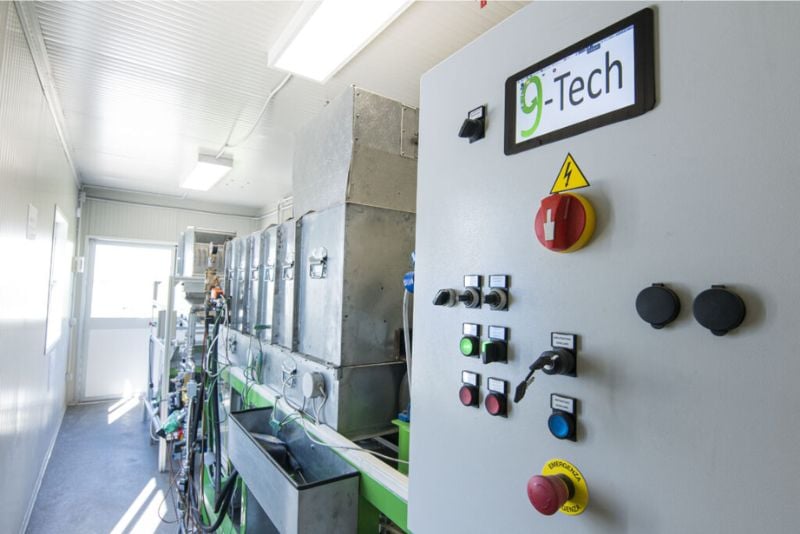
9-Tech’s test facility inside a shipping container. Image used courtesy of 9-Tech
Problem-solving is a large part of engineering. Understanding 9-Tech’s process could inspire these professionals’ projects or encourage them to think about known obstacles differently. The company’s example also reinforces that innovations can happen outside extensive, purpose-built facilities.
Recycling Results
Numerous initiatives have made solar panels increasingly attractive and accessible, keeping solar engineers in high demand. For example, thanks to an accelerated depreciation option, businesses can deduct 85% of solar installation costs from taxable income for the first several years. Such incentives can make corporate leaders more likely to switch to solar, especially if they formerly felt hesitant about doing so because of cost-related reasons.
Many executives are also more cautious about their chosen environmental initiatives, not wanting stakeholders to accuse them of greenwashing. However, thanks to 9-Tech’s approach and others working to make solar panel recycling a more sustainable and feasible option, they can feel confident that the installed photovoltaics will provide the Earth-friendly benefits and favorable perception they want. Such improvements are happening at an ideal time, too.
A 2024 study showed nearly 50% of the grid’s current solar capacity came from installations over the past three years. That improvement generated more than $120 billion in private investment and thousands of jobs.
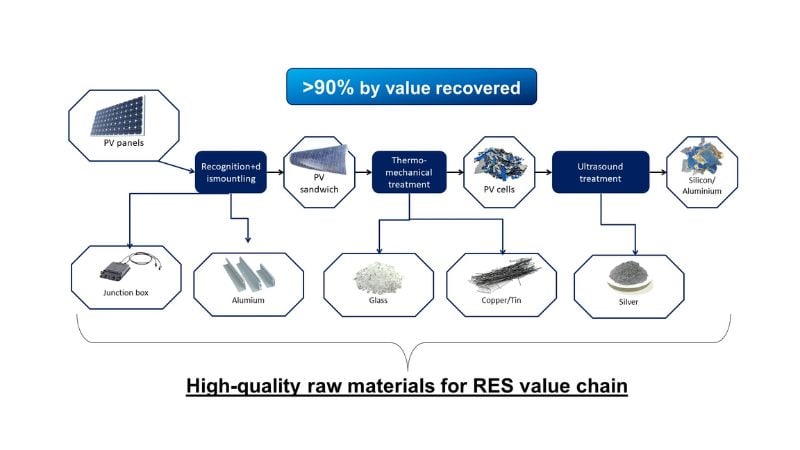
Materials recovered in 9-Tech’s recycling process. Image used courtesy of 9-Tech
Many aspiring engineers have yet to decide where to focus their knowledge and skills. When students in the early stages of engineering programs hear about the ongoing solar boom and tailored solutions offered by businesses such as 9-Tech, some will feel compelled to enter the industry after earning their degrees.
Engineering professionals want opportunities to make positive differences through their work, and solar panel recycling challenges are among renewable power’s chief downsides. Conquering the difficulties with creative options eliminates the hazards of improper panel disposal, including chemicals leaching into the water and soil, harming wildlife, and elevating pollution risks.
9-Tech’s approach to solar panel recycling is costlier than alternatives, which could initially discourage people from embracing it. However, the method also recovers high-value materials in their pure forms, making them suitable for reuse.
Internal tests showed the process enables extracting 99% of a solar panel’s copper and 95% of the silicon. Recovery rates for the silver are 90%.
Progress for Solar Panel Recycling
Solar engineers should stay tuned about what happens with the 9-Tech team and other relevant efforts to make solar panel recycling more efficient and effective. An ongoing awareness of the materials, processes, successes, and pitfalls will allow them to monitor what works well, potentially shaping their decision-making processes and keeping them motivated.
No matter what the future holds, these developments have already impacted solar engineers and other industry professionals, showing them feasible ways to address known barriers.