Facebook
 Google
 GitHub
 Linkedin
TIME’s Best Innovations of 2024: Renewables, AI, and Efficiency
TIME’s notable inventions of 2024 included devices for generating and storing energy, AI-enhanced energy efficiency, and chips the size of dinner plates.
TIME Magazine’s annual list of 200 best inventions features innovative technology that promises to impact technology in the coming years. In our two-part series review, EEPower highlights those of particular interest to engineers and energy specialists. In Part 1, we featured seven innovations in transportation technologies.
Part 2 spotlights advances in creative alternative energy technologies and artificial intelligence used to increase efficiency, power grid stability, and safety.
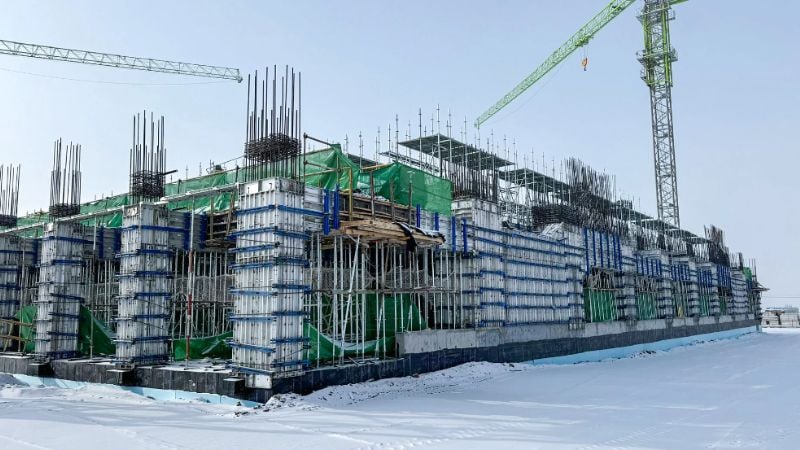
Gravity energy storage system under construction in China. Image used courtesy of Energy Vault
Arbor Power Station: Making Energy from Waste
Arbor Energy has developed a system to convert organic agriculture, forestry, and food waste into low-cost energy while capturing the carbon generated for later burying underground. The power systems are shipping container-sized and use an oxy-combustion process to produce 5 MW of power. The system captures the CO2 the material’s combustion creates and sequesters it in long-term underground storage. Collecting biomass and waste and turning it into energy before it decomposes and returns its captured CO2 into the atmosphere is a viable option. However, the company has not worked out details on a large scale. Brad Hartwig, a former Space-X engineer, created a startup in 2022.
Cerebras Systems: Powering AI
In 2019, Cerebras Systems engineered a “dinner-plate” sized chip designed to run artificial intelligence models. In March of 2024, the company released an even bigger third-generation chip called the Wafer-Scale Engine 3 (WSE-3). The company reports that the new chip can train AI models that are 10 times bigger than industry leader OpenAI’s GPT-4. The chip powers the Condor Galaxy 3 supercomputer that has come online in Texas. The Condor Galaxy 3 uses 64 Cerebras CS-3 Systems, and each CS-3 is powered by the new 4 trillion transistor, 900,000 AI core WSE-3.
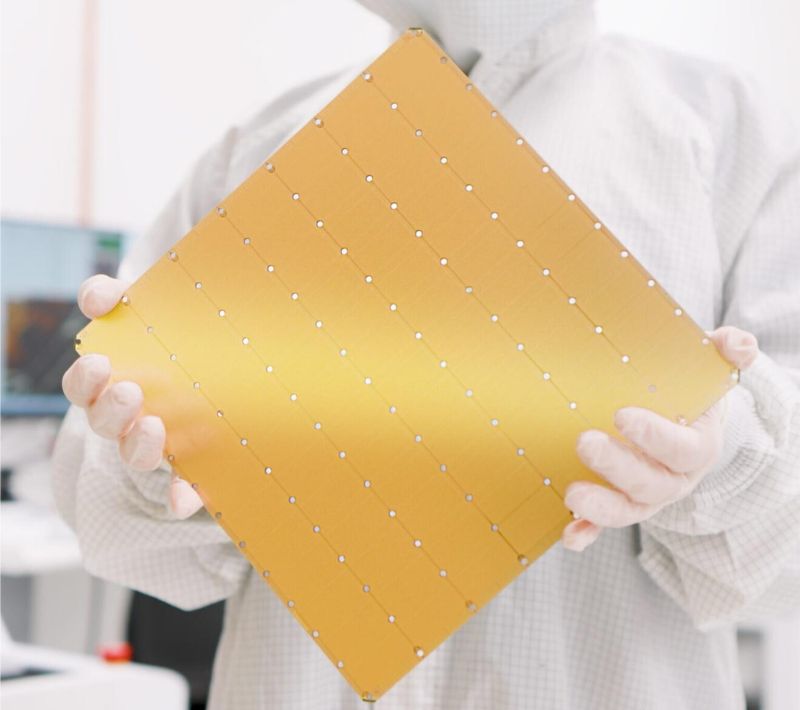
The WSE-3 wafer. Image used courtesy of Cerebras
AI Weather Predictions
Two innovations TIME recognized use artificial intelligence to predict natural disasters like fires or floods, creating faster, more accurate weather forecasts.
Atmo uses AI to learn from more than 60 years of climate data and real-time data from 142 weather satellites and millions of sensors worldwide to create its weather forecasts. AI allows the data to be processed up to 40,000 times faster, 100 times more detailed, and 50 percent more accurate than forecasts made using traditional supercomputer-based models. Atmo has partnered with the U.S. Department of Defense and has commercial partnerships with the Philippines and the Pacific Island nation of Tuvalu.
X Bellwether uses AI to analyze 600 different layers of geodata, including vegetation levels, wind speed, and precipitation, along with 20 years of archival data to determine the chances of a flood, fire, or other natural disaster striking.
With partners in the public and private sectors, the Bellwether platform predicts emergency disasters and provides advance warning to prepare communities for the worst. After a disaster, the AI aid can also help first responders identify damage to critical infrastructure, such as power grids, and deliver aid more quickly.
BrainBox AI ARIA: Energy Efficiency
Large commercial buildings are big energy users, particularly in heating, ventilation, and air conditioning (HVAC). BrainBox AI ARIA is transforming building management with an AI platform to automate HVAC settings to promote maximum efficiency. The system allows users to track data, make forecasts several hours into the future, and take corrective action, slashing energy costs by as much as 25% and reducing greenhouse gas emissions. BrainBox tools are in use in more than 14,000 buildings in 20 countries.
GHGSat-C10 'Vanguard': Space-based Emissions Detector
GHGSat launched the first orbital sensor that can pinpoint CO2 emissions from Earth-based sources like power plants, oil fields, and industrial sites. The C10 Vanguard satellite was launched in late 2023 from Vandenburg Space Force Base in California and can find gas leaks at a 25-meter resolution. Vanguard joins 11 other GHGSat satellites to locate methane emissions (another planet-warming greenhouse gas).
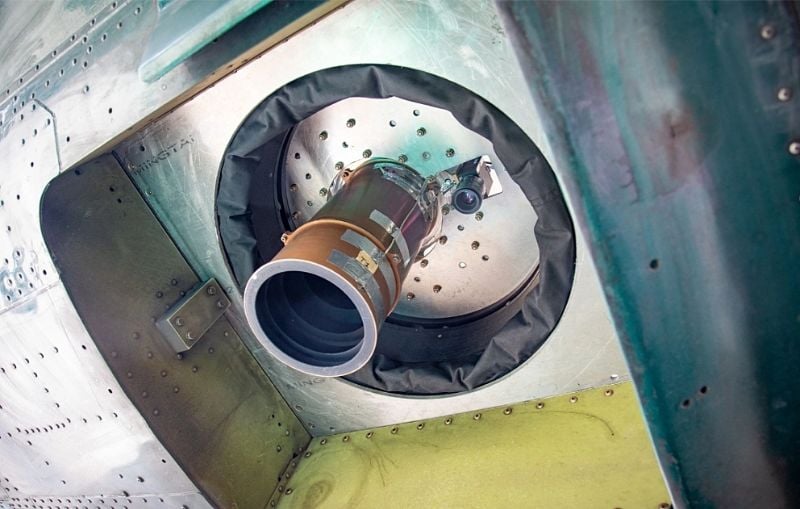
Methane detector. Image used courtesy of GHGSat
Torus Nova Spin: Mechanical Energy Storage
Torus Nova has designed a mechanical energy storage system combining flywheels, chemical batteries, and cybersecurity hardware into an integrated storage array. The device uses electrical grid power or solar panels to power a constantly spinning rotor that sits inside a device about the size of a dishwasher. In the event of a power outage, the spinning rotor powers a generator that converts the rotational kinetic energy into electricity. The $85,000 system is made from recycled materials and is expected to have a 25-year life expectancy—twice that of a traditional electrochemical battery.
FervoFlex: Drilling for Geothermal
Fervo Energy uses advanced technologies from the oil industry, like horizontal drilling and fiber optic sensing, to unlock geothermal energy in places that used to be considered uneconomical. The FervoFlex system drills horizontally into hot rock beneath the earth's surface and then pumps water to create hot water and steam. The steam can power a turbine and generator to produce electricity whenever needed. Fib fiber-optic cables connected to each well provide real-time information about temperature, flow, and geothermal performance. A pilot project went online in Nevada in 2023, and a larger project in Utah will be in operation by 2026.
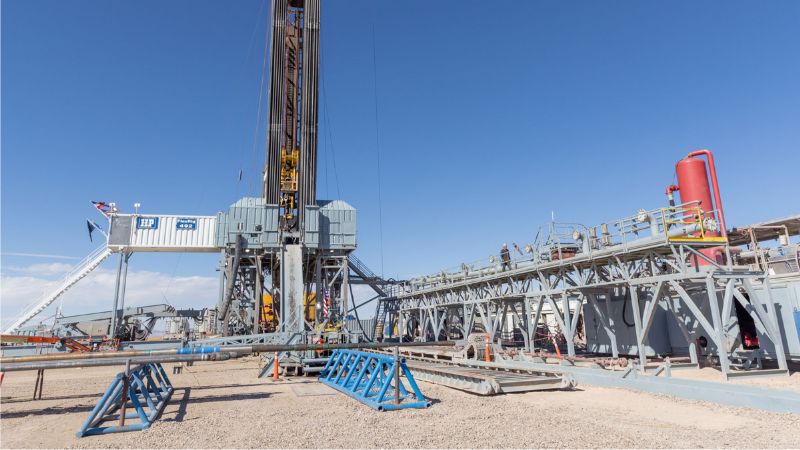
Geothermal drilling platform. Image used courtesy of Fervo Energy
Energy Vault EVx: Gravity Storage
Energy storage typically uses electrochemical batteries, but there are other ways to store energy. Water can be pumped up into reservoirs and then flow back to a lower reservoir or river when the energy is needed. However, pumped hydro storage takes up space, so another way to store energy is to use excess energy to raise massive blocks to a great height and lower the blocks to release the energy when needed. That’s the system that Energy Vault EVx is using. The system is highly scalable and offers short-term and longer-term storage capabilities. The company’s first commercial project using gravity energy storage has been built in China to provide grid storage for a nearby wind farm.
NanoTech Materials Insulative Ceramic Particle
Nanotech Materials has developed a fireproofing coating that provides protection up to 3,272°F (1,800°C) by significantly reducing heat transfer and improving flame spread resistance. The coating product, Wildfire Shield, contains an insulative ceramic particle, a powder that can be integrated into other materials, like drywall or shingles, to improve fire resistance and heat damage.
Wildfire Shield is in use at SpaceX launch areas and has been applied along highways by the state of California to help reduce the spread of wildfires. In addition to protecting against heat and flame damage, Wildfire Shield reduces the production of noxious smoke, making firefighting safer.